Films
2 films
About Nikolai Vitovtov
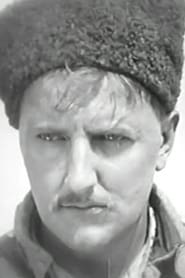
Soviet actor active during the early sound era of Russian cinema in the 1930s. His career, though brief, coincided with a pivotal period in Soviet filmmaking as the industry transitioned from silent films to talkies. Vitovtov appeared in several notable Soviet productions, with his most recognized roles coming in adaptations of classic literature. His performance in 'House of the Dead' (1932), likely based on Dostoevsky's work, demonstrated his ability to handle complex dramatic material characteristic of Soviet adaptations of Russian literary classics. Nikolai Vitovtov continued his work in the mid-1930s with 'Capt. Grant's Family' (1936), an ambitious adaptation of Jules Verne's novel that showcased the Soviet film industry's technical and artistic ambitions. Vitovtov's career appears to have been concentrated in the early to mid-1930s, a period when Soviet cinema was establishing its distinctive artistic identity separate from Western influences. While his filmography may be limited, his contributions to Soviet cinema during this formative era represent the work of actors who helped shape the early sound period in Russian film history.
The Craft
Milestones
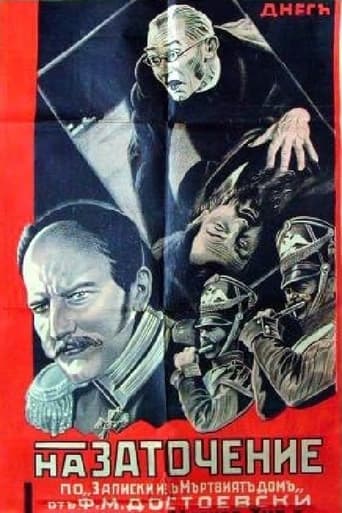
- Appeared in 'House of the Dead' (1932)
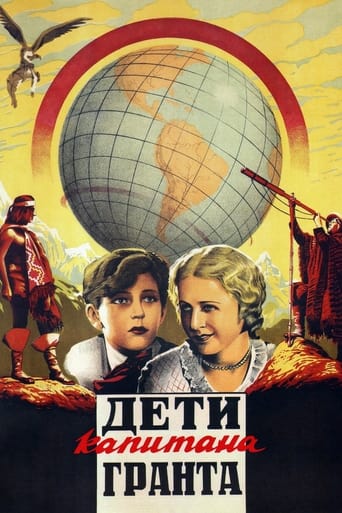
- Starred in 'Capt. Grant's Family' (1936)
- Worked during the transition from silent to sound cinema in the Soviet Union
- Participated in literary adaptations of classic Russian and Western literature
Best Known For
Iconic Roles
Must-See Films
Why They Matter
Impact on Culture
Nikolai Vitovtov's work represents an important period in Soviet cinema history when the industry was establishing its artistic identity in the sound era. His participation in literary adaptations reflects the Soviet emphasis on adapting classic literature for the screen, a practice that helped legitimize cinema as a serious art form. The films he appeared in, particularly adaptations of works by Dostoevsky and Jules Verne, demonstrate the international scope of Soviet literary interests during the 1930s. While not a major star, Vitovtov contributed to the broader cultural project of Soviet cinema, which sought to create films that were both artistically sophisticated and ideologically appropriate. His work in the early 1930s places him among the generation of actors who helped bridge the gap between the revolutionary experimentalism of the 1920s and the more standardized socialist realist style that would dominate later in the decade.
Lasting Legacy
Nikolai Vitovtov's legacy is preserved primarily through his surviving film work from the 1930s, which serves as documentation of Soviet cinema's development during the early sound period. His performances in adaptations of classic literature contribute to our understanding of how Soviet filmmakers approached the challenge of bringing canonical works to the screen. While not widely known outside of specialized film history circles, Vitovtov represents the many working actors who formed the backbone of the Soviet film industry during its formative years. His films remain valuable artifacts for scholars studying the transition from silent to sound cinema in the Soviet context, as well as the cultural politics of literary adaptation during this period.
Who They Inspired
Due to limited documentation of Vitovtov's career and the specialized nature of Soviet cinema from this period, specific information about his influence on other actors or filmmakers is not readily available. However, actors working in Soviet cinema during the 1930s collectively contributed to establishing acting styles and techniques that would influence subsequent generations of Soviet performers.
Off Screen
Very limited information is available about Nikolai Vitovtov's personal life, which is not uncommon for Soviet actors from this period whose detailed biographical information may not have been extensively documented or preserved in accessible archives.
Did You Know?
- Appeared in Soviet films during the early sound era of the 1930s
- Worked on adaptations of both Russian and Western classic literature
- His film career appears to have been concentrated in the early to mid-1930s
- Participated in Soviet cinema during a period of significant artistic and political development
- The films he appeared in reflect the Soviet emphasis on literary adaptations
- His career coincided with the establishment of socialist realism as the dominant aesthetic in Soviet art
- Limited biographical information is available, which is common for Soviet actors of this era
Frequently Asked Questions
Who was Nikolai Vitovtov?
Soviet with credits in this catalog. Grant's Family' (1936). His active years covered the pivotal period when Soviet cinema was transitioning from silent films to talkies and establishing its distinctive artistic identity.
What films is Nikolai Vitovtov best known for?
Titles linked here include House of the Dead (1932), Capt. Grant's Family (1936).
When was Nikolai Vitovtov active in film?
Nikolai Vitovtov was active as an actor from approximately 1932 to 1936, working during the early sound era of Soviet cinema. This period was crucial for the development of Soviet filmmaking as it adapted to new technologies and aesthetic requirements.
What was significant about the films Nikolai Vitovtov appeared in?
The films Vitovtov appeared in were significant literary adaptations that reflected Soviet cinema's emphasis on adapting classic Russian and Western literature. 'House of the Dead' and 'Capt. Grant's Family' demonstrated the technical and artistic ambitions of Soviet filmmakers during the 1930s.
Why is information about Nikolai Vitovtov limited?
Information about Nikolai Vitovtov is limited because he was a working actor in Soviet cinema during the 1930s, a period when detailed biographical documentation was not always preserved or made accessible. Many actors from this era, particularly those who were not major stars, have sparse historical records available to contemporary researchers.