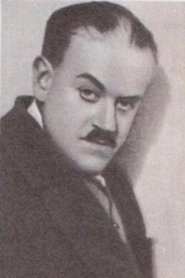
David Gutman
Actor
Born: 1884 in Russian Empire Died: 1946 Active: 1920s-1930s Birth Name: David Abramovich Gutman
Films
3 films
About David Gutman
David Abramovich Gutman — prominent Russian and Soviet actor and director who made significant contributions to early Soviet cinema during the 1920s and 1930s. Beginning his career in the theatrical world, Gutman transitioned to film during the revolutionary period of Soviet cinema, becoming one of the recognizable character actors of his era. He worked extensively at major Soviet film studios, particularly in Moscow, where he developed a reputation for playing authoritative and paternal figures. Gutman's the crucial transition from silent films to sound pictures, adapting his theatrical style to the new medium of talking cinema. His most notable work came in the mid-1930s when he appeared in several significant Soviet productions that showcased his versatility as a character actor. Despite his contributions to Soviet cinema, much of his detailed biographical information remains scarce due to limited documentation from that era and the subsequent political upheavals that affected many artists of his generation.
The Craft
On Screen
Theatrical training influenced his screen presence, with a commanding presence suited for authority figures and paternal roles. His style reflected the broader Soviet acting tradition of the period, which emphasized clear character archetypes and strong emotional expression.
Milestones
- Transition from theater to film during early Soviet cinema era
- Appeared in major Soviet productions of the 1930s
- Worked during the transition from silent to sound films
- Known for character roles in adventure and drama films
Best Known For
Iconic Roles
Must-See Films
Working Relationships
Studios
Why They Matter
Impact on Culture
David Gutman contributed to the development of Soviet cinema during its formative years, participating in the establishment of a uniquely Soviet film aesthetic. His work in adventure and family films helped create templates for popular cinema in the USSR, demonstrating how commercial entertainment could coexist with ideological messaging. As part of the generation that bridged silent and sound cinema, Gutman represented the professionalization of acting in Soviet films, moving from theatrical origins to more film-specific techniques.
Lasting Legacy
While not widely remembered today, David Gutman represents the working actors who formed the backbone of Soviet cinema during its crucial developmental period. His filmography provides insight into the types of productions that Soviet audiences enjoyed during the 1930s, particularly adventure stories and family entertainment. The preservation of his films offers valuable documentation of Soviet cinematic techniques and storytelling approaches from the early sound era.
Who They Inspired
As a character actor in major Soviet productions, Gutman contributed to the establishment of character archetypes that would influence subsequent generations of Soviet actors. His work in adapting theatrical performance styles to the medium of film helped pave the way for more naturalistic acting approaches that would develop in later Soviet cinema.
Off Screen
Limited documentation exists about Gutman's personal life, which was common for many Soviet-era actors whose detailed biographical information was not systematically preserved. He lived through the dramatic political and social changes of the Russian Revolution and the establishment of the Soviet Union, which significantly impacted the arts and cinema industry. His career coincided with Stalin's cultural policies that heavily influenced artistic expression and film production in the USSR.
Education
Likely received theatrical training in pre-revolutionary Russia, though specific educational details are not well documented in available sources.
Did You Know?
- Worked during the crucial transition period from silent to sound films in Soviet cinema
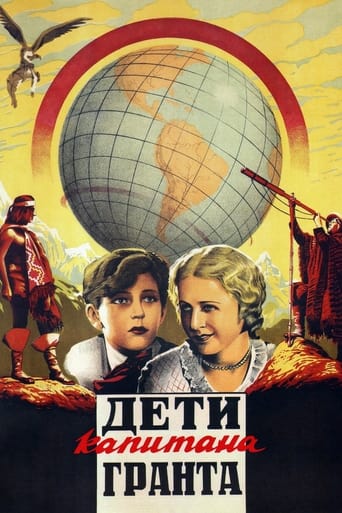
- Participated in the adaptation of literary works to film, including Jules Verne adaptations
- His active years covered
- Like many Soviet actors of his era, much of his personal history remains undocumented
- His films represent examples of Soviet popular cinema that balanced entertainment with ideological messaging
- The 1930s marked the height of his film career during the Stalin era
- His work contributes to our understanding of early Soviet sound film techniques
Frequently Asked Questions
Who was David Gutman?
Russian and Soviet actor and on YTB.my.
What films is David Gutman best known for?
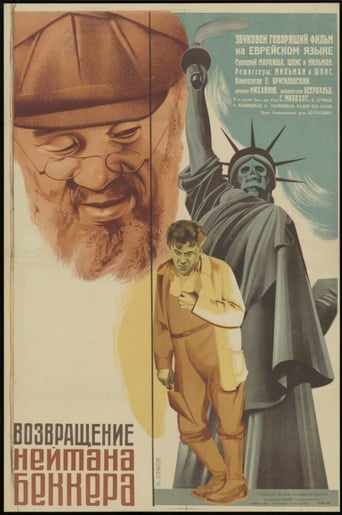
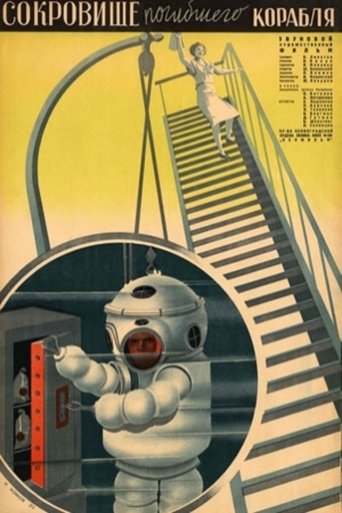
Titles linked here include The Return of Nathan Becker (1932), Treasure of the Wrecked Vessel (1935).
When was David Gutman born and when did he die?
Born 1884; died 1946.
What awards did David Gutman win?
There are no documented awards or honors specifically recorded for David Gutman, which was not uncommon for character actors of his era in Soviet cinema.
What was David Gutman's acting style?
His acting style was influenced by theatrical training, featuring a commanding presence suited for authority figures and paternal roles, typical of the broader Soviet acting tradition of the 1920s-1930s.
What was David Gutman's contribution to Soviet cinema?
Gutman contributed to the development of Soviet sound cinema during its formative years, helping establish character archetypes and participating in the adaptation of literary works to film.