Films
1 film
About Dan Healy
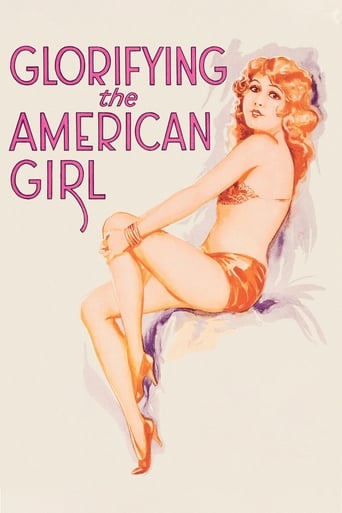
Dan Healy appears once in this catalog: Glorifying the American Girl (1929). His career, though brief, coincided with a revolutionary time in cinema history when the industry was adapting to sound technology. Healy is primarily remembered for his role in the 1929 musical extravaganza 'Glorifying the American Girl,' which was one of the early attempts to combine Broadway-style musical numbers with cinematic storytelling. The film, produced by Florenz Ziegfeld, showcased the lavish production values that would become synonymous with early Hollywood musicals. Healy's appearance in this significant early sound film places him among the actors who navigated the challenging transition from silent performance to talking pictures. Despite his limited filmography, his participation in this notable production demonstrates his connection to the entertainment industry during one of its most transformative periods. His career appears to have been concentrated entirely in the year 1929, suggesting he may have been part of the many performers who found the transition to sound challenging or who were primarily stage actors making brief forays into cinema.
The Craft
Milestones
- Appeared in 'Glorifying the American Girl' (1929) during the early sound era transition
- Participated in one of Flo Ziegfeld's cinematic productions
- Worked during the pivotal year when Hollywood fully embraced sound technology
Best Known For
Iconic Roles
Must-See Films
Working Relationships
Studios
Why They Matter
Impact on Culture
Dan Healy's contribution to cinema history, while modest in scope, is representative of the countless actors who participated in Hollywood's transition to sound. His appearance in 'Glorifying the American Girl' places him within the context of early musical cinema, a genre that would become enormously influential in subsequent decades. The film itself was significant as one of the early attempts to translate Broadway spectacle to the screen, featuring the Ziegfeld touch that would define lavish Hollywood productions. Healy represents the many performers who were part of this experimental period in film history, when studios were discovering how to effectively use sound and musical elements in motion pictures.
Lasting Legacy
Dan Healy's legacy is primarily preserved through his participation in 'Glorifying the American Girl,' a film that serves as an important artifact of early Hollywood musical cinema. While he may not have achieved lasting fame, his contribution to this significant early sound film ensures his place in film history as part of the generation of actors who bridged the silent and sound eras. The film itself has become historically important for its documentation of early musical techniques and its connection to the legendary Flo Ziegfeld, making Healy's role part of this broader cultural and cinematic heritage.
Who They Inspired
As a supporting actor from the early sound era with a brief filmography, Dan Healy's direct influence on subsequent generations of performers is difficult to trace. However, like many actors of his era, he contributed to the development of acting techniques for sound cinema, helping establish conventions that would influence future performers. His work in an early musical film contributed to the evolution of the musical genre, which would become one of Hollywood's most enduring and influential formats.
Off Screen
Very little is documented about Dan Healy's personal life, which is not uncommon for supporting actors from the early sound era whose careers were brief. The lack of extensive biographical information suggests he may have been primarily a stage actor who made only limited appearances in film, or someone whose entertainment career was short-lived.
Did You Know?
- Appeared in films during the exact year (1929) when Hollywood fully transitioned from silent to sound pictures
- Participated in a film produced by legendary Broadway impresario Florenz Ziegfeld
- His only known film credit 'Glorifying the American Girl' was one of the early attempts to create a cinematic equivalent of Broadway revues
- The film he appeared in featured early Technicolor sequences, making him part of cinema's early color experiments
- His active years covered only one year, making him representative of many actors who struggled with or chose not to adapt to the demands of sound cinema
Frequently Asked Questions
Who was Dan Healy?
American with credits in this catalog.' His career was brief and concentrated entirely in the year 1929, placing him among the performers who worked during cinema's pivotal transition from silent to sound pictures.
What films is Dan Healy best known for?
Titles linked here include Glorifying the American Girl (1929).
When was Dan Healy born and when did he die?
Specific birth and death dates for Dan Healy are not documented in available historical records, which is not uncommon for supporting actors from the early sound era who had brief careers. His known professional activity was limited to the year 1929.
What awards did Dan Healy win?
There are no documented awards or nominations for Dan Healy, which is typical for many supporting actors from the early sound era whose careers were brief. His significance lies primarily in his participation in an important early musical film rather than in formal recognition.
What was Dan Healy's acting style?
Specific details about Dan Healy's acting style are not documented in available sources. As an actor working during the transition from silent to sound films, he would have needed to adapt to the new technical and performance requirements of talking pictures, a challenge that many actors of his era faced.
What was the significance of 'Glorifying the American Girl'?
'Glorifying the American Girl' (1929) was significant as one of the early attempts to translate Broadway musical spectacle to cinema, featuring production values from legendary impresario Flo Ziegfeld. The film represented Hollywood's early experiments with the musical genre and included early Technicolor sequences, making it an important artifact of transitional cinema.
Why was Dan Healy's career so brief?
The brevity of Dan Healy's career, limited to 1929, may reflect the challenges many actors faced during Hollywood's transition to sound. Some performers found the technical demands of talking pictures difficult, while others may have been primarily stage actors who made only brief forays into cinema during this experimental period.