Films
2 films
About Jiqun Liu
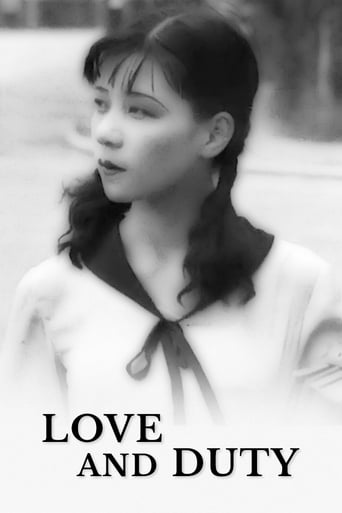
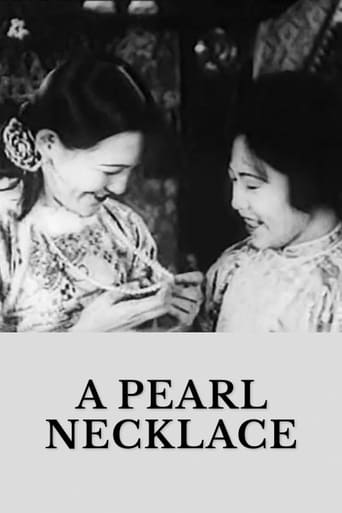
Jiqun Liu appears in The Pearl Necklace (1926), Love and Duty (1931) in this catalog. His career, though relatively brief, spanned a crucial transitional period in Chinese film history from silent cinema to talkies. He was part of the vibrant Shanghai film scene that produced some of China's most influential early films. His performances helped establish acting conventions in Chinese cinema during its developmental years. Despite his relatively short career span of 1926-1931, he left a mark on early Chinese film through his work in significant productions.
The Craft
On Screen
Liu Jiqun's acting style reflected the theatrical traditions of early Chinese cinema, characterized by expressive gestures and dramatic presence typical of the silent era. His performances adapted well to the emotional storytelling style prevalent in 1920s Chinese films.
Milestones
- Starred in The Pearl Necklace (1926)
- Appeared in Love and Duty (1931)
- Active during Shanghai cinema's golden age
- Transitioned from silent to sound films
Best Known For
Iconic Roles
Must-See Films
Working Relationships
Worked Often With
Studios
Why They Matter
Impact on Culture
Liu Jiqun contributed to the development of Chinese cinema during its formative years, helping establish acting conventions and storytelling techniques in early Chinese films. His work in productions like 'Love and Duty' (1931) was part of the movement that elevated Chinese cinema to artistic prominence in the early 1930s. As an actor during the transition from silent to sound films, he was part of a generation that helped modernize Chinese cinema and adapt to new technologies.
Lasting Legacy
Liu Jiqun's legacy lies in his contributions to early Chinese cinema during a crucial period of its development. Though not as widely remembered internationally as some of his contemporaries, his work in significant films of the era represents the artistic achievements of Shanghai's golden age of cinema. His performances in surviving films serve as important historical documents of Chinese acting styles and cinematic techniques of the 1920s and early 1930s.
Who They Inspired
Liu Jiqun was part of the foundational generation of Chinese film actors who helped establish the professional standards and artistic conventions that would influence subsequent generations of Chinese performers. His work during the silent era contributed to the development of acting techniques specifically adapted for Chinese cinema.
Off Screen
Very little information is available about Liu Jiqun's personal life, which is common for many Chinese actors from the silent era. Like many performers of his time, details about his family background and personal relationships were not extensively documented in film histories.
Did You Know?
- Appeared in 'Love and Duty' (1931), which is considered
- Worked during the peak of Shanghai's reputation as the 'Hollywood of the East'
- His active years covered the critical transition period from silent films to talkies in Chinese cinema
- Participated in China's burgeoning film industry during its first golden age (1920s-1930s)
- Like many Chinese actors of his era, his work was largely overshadowed internationally by Western cinema
Frequently Asked Questions
Who was Liu Jiqun?
Liu Jiqun was a Chinese actor who worked in the Shanghai film industry during the 1920s and early 1930s. He was active during China's silent film era and appeared in several significant early Chinese films before his career ended around 1931.
What films is Liu Jiqun best known for?
Titles linked here include The Pearl Necklace (1926), Love and Duty (1931).
When was Liu Jiqun active in cinema?
Liu Jiqun was active as an actor from 1926 to 1931, working during a crucial period in Chinese cinema that encompassed both the late silent era and the transition to sound films.
What was Liu Jiqun's contribution to Chinese cinema?
Liu Jiqun contributed to the development of Chinese cinema during its formative years, helping establish acting conventions and participating in significant films that elevated Chinese cinema's artistic status during the Shanghai golden age.
Why is information about Liu Jiqun limited?
Information about Liu Jiqun is limited because he was an actor from early Chinese cinema, a period when documentation was less comprehensive and many records have been lost. Additionally, international attention on Chinese cinema from this era has been relatively recent.