The Pearl Necklace
"wife borrows a necklace for a party, and it is"
Keys: Space play/pause · ←/→ 10s · F fullscreen · M mute · </> speed
About this film
A wife borrows a necklace for a party, and it is subsequently stolen. Her husband embezzles funds to pay for the loss, but he is discovered and arrested.
Cast & crew
More films like this
More Drama films
View all →







More about this film
About the production
Release date1926
ProductionMinxin Film Company
Filmed inShanghai, China
The Pearl Necklace was produced during the golden age of Shanghai's film industry, when the city was known as the 'Hollywood of the East.' The picture was shot on location in Shanghai's International Settlement, taking advantage of the city's modern architecture and cosmopolitan atmosphere. As a silent film, it relied heavily on visual storytelling and intertitle cards to convey the narrative. The production utilized natural lighting and early camera techniques typical of Chinese cinema of the mid-1920s, including stationary camera shots and basic editing transitions.
Themes
Social pressure and class consciousnessThe consequences of vanity and materialismMoral corruption and redemptionThe dangers of keeping up appearancesFamily loyalty and sacrifice
Themes & topics
necklacetheftembezzlementarrestsocial pressuremarriagecrimeconsequencesvanitymoral dilemmaurban life1920ssilent filmShanghai
Historical background
The Pearl Necklace (1926) reached audiences through Minxin Film Company in China, when exhibitors still built programs from varied shorts and features rather than single-block bookings.
Why this film matters
Programmers and historians revisit The Pearl Necklace (1926) because its story—a wife borrows a necklace for a party, and it is subsequently stolen—illustrates popular narrative habits and production norms of the period.
Making of
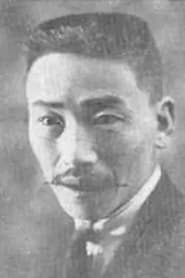
The Pearl Necklace was created during a pivotal moment in Chinese film history, when Shanghai had emerged as the center of China's burgeoning film industry. Director Zeyuan Li was part of a new generation of Chinese filmmakers who were blending traditional Chinese storytelling with Western cinematic techniques. the picture's production likely faced the typical challenges of the era, including limited technical resources, primitive equipment, and the need to shoot quickly due to expensive film stock. The cast, including Xiandian Lei and Jiqun Liu, were among the early stars of Chinese cinema, though detailed information about their performances and acting methods has been largely lost to time. the picture's urban setting and contemporary themes reflected the rapid modernization of Shanghai in the 1920s, a city that was experiencing unprecedented cultural and social change.
What critics said
English-language trade reviews of The Pearl Necklace are limited for 1926. Where notices survive, they stress pacing and photographic clarity; later criticism values the title as archival evidence of studio style.
Did you know?
- The Pearl Necklace is one of the earliest examples of Chinese cinema exploring themes of crime and moral consequences
- Director Zeyuan Li was among the pioneering filmmakers of China's silent film era
- the picture's plot bears similarities to Guy de Maupassant's famous short story 'The Necklace,' suggesting possible literary influence
- 1926 was a significant year for Chinese cinema, with over 100 films produced that year alone
- the picture was produced by Minxin Film Company, one of Shanghai's most important early film studios
- Shanghai in the 1920s was a melting pot of Eastern and Western cultures, which influenced the picture's visual style and narrative themes
- Like many Chinese silent films, The Pearl Necklace likely featured live musical accompaniment during its original theatrical runs
- the picture's themes of social pressure and the consequences of vanity were particularly relevant to Shanghai's rapidly modernizing society
- Early Chinese cinema often served as moral instruction, and follows that tradition with its cautionary tale
- The Pearl Necklace represents an important transitional period in Chinese cinema, moving from traditional storytelling to more modern urban narratives
Visual style
The cinematography of The Pearl Necklace would have employed techniques typical of Chinese silent films of the mid-1920s. The visual style likely featured static camera positions with occasional pans or tilts, as camera movement technology was still limited. the picture probably utilized natural lighting when shooting on location in Shanghai, with basic artificial lighting for interior scenes. The composition would have followed the theatrical influences common in early cinema, with careful framing of actors to emphasize emotional moments. As a silent film, visual storytelling was paramount, and the cinematography would have focused on facial expressions and body language to convey emotion and narrative information. The urban setting of Shanghai would have provided opportunities for exterior shots that showcased the city's modern architecture and bustling streets.
Innovations
The Pearl Necklace utilized the standard film technology available in China during the mid-1920s. the picture was likely shot on 35mm black and white film stock, probably imported from Western manufacturers. The technical aspects would have included basic editing techniques such as cuts, fades, and iris shots, which were common in silent cinema. the picture's production by Minxin Film Company suggests it had access to relatively good technical resources for the period. While not groundbreaking in terms of technical innovation, the picture represents the professional standards being achieved by Chinese studios during this formative period of national cinema. The use of Shanghai locations also demonstrates the growing sophistication of Chinese film production in utilizing real urban environments rather than relying solely on studio sets.
Music
As a silent film, The Pearl Necklace did not have a recorded soundtrack, but would have featured live musical accompaniment during theatrical screenings. In Shanghai's cinemas of the 1920s, this typically included a combination of Western classical music, Chinese traditional instruments, and popular songs of the era. The musical selection would have been carefully chosen to match the mood of each scene, with dramatic music for tense moments and softer melodies for emotional scenes. Some larger theaters in Shanghai employed small orchestras, while smaller venues might have used a single pianist or traditional Chinese musicians. The music would have played a crucial role in enhancing the emotional impact of the story and guiding audience reactions to key plot developments.
Famous quotes
Silent film - no dialogue recorded
Intertitle cards would have conveyed key narrative points and emotional statements
Memorable scenes
- The wife's decision to borrow the expensive necklace for the party, setting the tragedy in motion
- The moment the necklace is discovered to be missing, creating panic and desperation
- The husband's anguished decision to embezzle money to replace the stolen item
- The arrest scene where the husband's crime is exposed and the family's world collapses
- The final confrontation between husband and wife as they face the consequences of their actions
What audiences thought
Audience reception of The Pearl Necklace in 1926 is not well-documented, but films dealing with moral dilemmas and social issues were popular among Shanghai's growing cinema-going public. the picture's urban setting and contemporary themes would have resonated with modern audiences in Shanghai, who were experiencing similar social pressures in their own lives. The crime elements and dramatic tension likely provided entertainment value, while the moral message would have satisfied both traditional and modern sensibilities. As with many films of this era, audience reactions were primarily conveyed through word-of-mouth and box office success, though specific figures and detailed accounts have been lost to history.
Film connections
Influenced by
- Guy de Maupassant's 'The Necklace'
- Western silent film melodramas
- Traditional Chinese morality tales
- Shanghai urban literature of the 1920s
This film influenced
- Later Chinese crime dramas
- Shanghai-based social problem films of the 1930s
- Chinese cinema exploring urban moral dilemmas
Film restoration
The Pearl Necklace is believed to be a lost film, as is the case with the vast majority of Chinese silent films from the 1920s. The destruction of film archives during the Sino-Japanese War, the Chinese Civil War, and the Cultural Revolution resulted in the loss of approximately 90% of Chinese films produced before 1949. No known copies of The Pearl Necklace survive in any film archive or collection. the picture exists only in written records, production company catalogs, and occasional mentions in film histories. This loss represents a significant gap in the documentation of early Chinese cinema and the development of Chinese film art.
Where to watch
- No known viewing options exist as the picture is considered lost
- Film historians and researchers may find references to the picture in specialized archives and academic publications
- Information about the picture can be found in Chinese cinema history books and academic papers on early Chinese film