Films
1 film
About Zeyuan Li
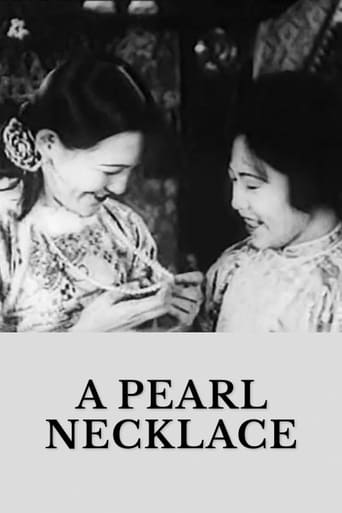
Early Chinese film director active during the silent era of Chinese cinema in the 1920s. His sole known directorial work was 'The Pearl Necklace' (1926), which places him among the generation of Chinese filmmakers during a period when the industry was still in its infancy. The 1920s represented a crucial formative decade for Chinese cinema, with Shanghai emerging as the center of film production. Unfortunately, like many early Chinese filmmakers, detailed biographical information about Li remains scarce due to the limited documentation of the era and the loss of many films and records during periods of political upheaval in China's history. His career appears to have been extremely brief, with records showing activity only in 1926, suggesting he may have been part of the early wave of filmmakers who helped establish the foundations of Chinese cinema but whose contributions were not extensively documented.
The Craft
Behind the Camera
As an early Chinese silent film director, Li likely worked within the emerging stylistic conventions of 1920s Chinese cinema, which was heavily influenced by both traditional Chinese performing arts and Western film techniques of the era.
Milestones
- Directed 'The Pearl Necklace' (1926), one of the early Chinese silent films
Best Known For
Must-See Films
Why They Matter
Impact on Culture
Zeyuan Li represents the often-overlooked pioneers of Chinese cinema who worked during the industry's formative years in the 1920s. While his individual contribution may be difficult to assess due to limited documentation, filmmakers like him were instrumental in establishing the foundation of what would become one of the world's largest film industries. The silent era of Chinese cinema (1920s-1930s) was crucial in developing film as a popular art form in China, adapting traditional Chinese storytelling to the new medium of cinema.
Lasting Legacy
Zeyuan Li's legacy is primarily historical as one of the early directors who contributed to the birth of Chinese cinema. Like many of his contemporaries from this period, his work serves as a reminder of the rich but often undocumented history of early Chinese filmmaking. The loss of many films and records from this era means that directors like Li remain mysterious figures, representing the countless artists who helped build cinema in China but whose stories have been largely lost to time.
Who They Inspired
Due to the extremely limited documentation of Li's career and the apparent brevity of his work in cinema, his direct influence on subsequent filmmakers cannot be definitively traced. However, as part of the first generation of Chinese film directors, he would have contributed to the early development of cinematic language and storytelling techniques in Chinese cinema that would influence later generations of filmmakers.
Off Screen
Very little is documented about Zeyuan Li's personal life, which is common for many early Chinese filmmakers from the silent era whose records were not preserved through China's tumultuous 20th century history.
Did You Know?
- Zeyuan Li was active during the silent film era in China, a period when Shanghai was the center of Chinese film production
- His only known film 'The Pearl Necklace' was released in 1926, during what is considered the first golden age of Chinese cinema
- The 1920s saw the emergence of the first generation of Chinese film directors, with Li being among them
- Many films from early Chinese cinema have been lost, making it difficult to assess the full scope of Li's work
- Early Chinese filmmakers often worked with limited resources and faced significant political and social upheaval
- The silent era in China ended around 1930-1931 with the transition to sound films
- Shanghai in the 1920s was known as the 'Hollywood of the East' due to its thriving film industry
- Early Chinese cinema often adapted traditional Chinese stories and opera for the screen
Frequently Asked Questions
Who was Zeyuan Li?
Early Chinese on YTB.my. He was part of the generation of Chinese filmmakers who helped establish the foundations of Chinese cinema during its formative years in the 1920s.
What films is Zeyuan Li best known for?
Titles linked here include The Pearl Necklace (1926).
When was Zeyuan Li born and when did he die?
The birth and death dates of Zeyuan Li are not documented in available historical records, which is common for many early Chinese filmmakers from the silent era whose biographical information has been lost to time.
What awards did Zeyuan Li win?
There are no documented awards or honors for Zeyuan Li, which is typical for filmmakers from this very early period of Chinese cinema before formal award systems were established in the Chinese film industry.
What was Zeyuan Li's directing style?
While specific details about Li's directing style are not documented, as an early Chinese silent film director, he likely worked within the emerging conventions of 1920s Chinese cinema, blending traditional Chinese storytelling with early cinematic techniques.