
Kazimierz Junosza-Stepowski
Actor
Born: November 26, 1889 in Lviv, Austria-Hungary (now Lviv, Ukraine) Died: July 3, 1943 Active: 1916-1939
Films
2 films
About Kazimierz Junosza-Stepowski
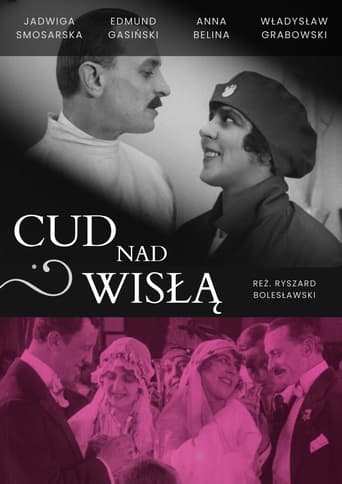
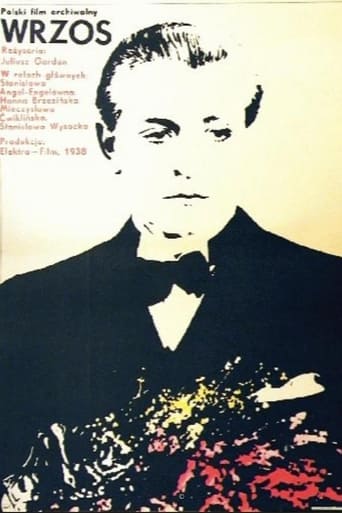
Polish actor: the silent era through the early sound period of Polish cinema. Born into nobility with the Junosza coat of arms, he began his theatrical career before transitioning to film, becoming one of Poland's prominent character actors during the interwar period. His breakthrough came with his role in the landmark historical film 'The Miracle at the Vistula' (1921), which depicted the pivotal Battle of Warsaw. Throughout the 1920s and 1930s, he established himself as a versatile performer, adept at both dramatic and comedic roles, often portraying aristocrats, military officers, and intellectuals. His performance in 'Wrzos' (1938) showcased his ability to convey deep emotion in the emerging sound era. Junosza-Stepowski's career was cut short by the outbreak of World War II, during which he participated in the Polish resistance movement. His contributions to early Polish cinema helped establish the foundation for the country's film industry during its formative years.
The Craft
On Screen
Junosza-Stepowski was known for his dignified, classical acting style honed through his theatrical training. He brought a sense of aristocratic gravitas to his roles, with a commanding stage presence and precise diction that served him well in both silent and sound films. His performances were characterized by subtle facial expressions in silent films and a rich, resonant voice in talkies, allowing him to portray complex characters with depth and nuance.
Milestones
- Breakthrough role in 'The Miracle at the Vistula' (1921)
- Leading performances in Polish silent films of the 1920s
- Successful transition to sound cinema in the 1930s
- Notable performance in 'Wrzos' (1938)
- Participation in Polish cultural resistance during WWII
Best Known For
Iconic Roles
Must-See Films
Accolades
Won
- Gold Cross of Merit (Poland, pre-WWII)
Special Recognition
- Recognition as one of Poland's film actors
- Posthumous acknowledgment for contributions to Polish cinema
Working Relationships
Worked Often With
Studios
Why They Matter
Impact on Culture
Kazimierz Junosza-Stepowski played a significant role in establishing the archetype of the Polish nobleman in cinema, helping to shape national identity through film during Poland's newly regained independence. His performances in historical films contributed to the cultural memory of Polish struggles and triumphs, particularly in films depicting Polish military victories. As one of the few actors who successfully transitioned from silent films to talkies in Polish cinema, he helped bridge the technological and artistic gap between these two eras. His commitment to Polish culture during the occupation demonstrated how artists could serve as symbols of national resistance and cultural preservation.
Lasting Legacy
Junosza-Stepowski's legacy endures as one of the foundational figures of Polish cinema, representing the artistic sophistication and patriotic spirit of interwar Polish film. His death during the wartime resistance made him a martyr figure in Polish cultural history. Film historians recognize him as an important bridge between theatrical tradition and cinematic art in Poland. His performances continue to be studied as examples of early Polish film acting technique, and his story serves as an inspiration for artists' role in times of national crisis.
Who They Inspired
Junosza-Stepowski influenced subsequent generations of Polish actors through his dignified approach to character portrayal and his ability to embody Polish national character on screen. His techniques for transitioning between theatrical and film acting styles provided a model for other stage actors entering cinema. His commitment to cultural resistance inspired later Polish artists to use their work as a form of political and social commentary, particularly during periods of oppression.
Off Screen
Junosza-Stepowski came from a noble Polish family and maintained strong ties to Polish cultural traditions throughout his life. He was known for his patriotism and deep commitment to Polish arts and culture. During the German occupation of Poland in World War II, he actively participated in the underground cultural resistance movement, using his artistic talents to support Polish morale and identity. His involvement in resistance activities ultimately led to his arrest and death in 1943.
Education
Graduated from Lviv University with studies in literature and philosophy; received formal theatrical training in Warsaw and Vienna
Family
- Zofia Junosza-Stepowska (married 1920s-1943)
Did You Know?
- Born into Polish nobility with the Junosza coat of arms
- Was fluent in Polish, Ukrainian, German, and French
- Initially pursued a career in law before turning to acting
- Served in the Polish army during World War I
- Was one of the first Polish actors to successfully transition to sound films
- His final film 'Wrzos' (1938) is considered a classic of Polish cinema
- Was arrested by the Gestapo in 1943 for his resistance activities
- Died in imprisonment, becoming a martyr of Polish culture
- His personal film archive was destroyed during the Warsaw Uprising
- Was a member of the Polish Actors' Union throughout his career
In Their Own Words
The actor's duty is not merely to entertain, but to preserve the soul of the nation on stage and screen
In times of darkness, art becomes the light that guides our people home
Every role I play is a tribute to Poland's past and hope for her future
Frequently Asked Questions
Who was Kazimierz Junosza-Stepowski?
Prominent Polish with credits in this catalog. He came from nobility and became one of the foundational figures of Polish film before his death during World War II resistance activities.
What films is Kazimierz Junosza-Stepowski best known for?
Titles linked here include The Miracle at the Vistula (1921), Wrzos (1938).
When was Kazimierz Junosza-Stepowski born and when did he die?
Born November 26, 1889; died July 3, 1943.
What awards did Kazimierz Junosza-Stepowski win?
He received the Gold Cross of Merit from the Polish government before World War II in recognition of his contributions to Polish culture and cinema. He has also been posthumously honored for his role in preserving Polish cultural identity during the occupation.
What was Kazimierz Junosza-Stepowski's acting style?
His acting style was characterized by classical theatrical training combined with cinematic adaptability. He was known for his dignified presence, precise diction, and ability to convey deep emotion through subtle expressions in silent films and rich vocal performance in talkies.