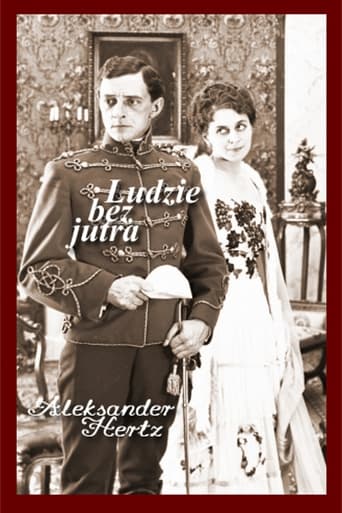
Films
1 film
About Józef Zejdowski
The 1921 film Ludzie bez jutra is the only title linked here for Józef Zejdowski. His career was remarkably brief, spanning only the year 1921, during which he appeared in the film 'Ludzie bez jutra' (People Without Tomorrow). This period was crucial for Polish cinema as the nation was rebuilding its cultural institutions after regaining independence in 1918 following 123 years of partitions. Zejdowski was part of the first generation of actors working in Poland's reborn film industry, which was struggling to establish itself amid economic challenges and political instability. Unfortunately, like many early film actors from this era, detailed records of his life and career are scarce, and he appears to have left the film industry as quickly as he entered it. His single known film credit represents a snapshot of Polish cinema's formative years, when many actors participated in only one or two productions before disappearing from historical records.
The Craft
Milestones
- Appeared in 'Ludzie bez jutra' (1921), one of the early films of independent Polish cinema
Best Known For
Must-See Films
Why They Matter
Impact on Culture
Józef Zejdowski's contribution to cinema, while minimal in scope, represents the broader story of Poland's struggling film industry in the early 1920s. As an actor in 'Ludzie bez jutra,' he participated in the cultural renaissance that followed Poland's independence, when the nation was desperately trying to establish its own cinematic voice separate from occupying powers. His brief appearance in film history exemplifies how many early cinema workers were transient figures who contributed to the foundation of national film industries without achieving lasting fame. The film itself, 'Ludzie bez jutra,' was part of Poland's efforts to create socially relevant cinema that addressed post-war challenges and the struggles of ordinary people in the newly independent nation.
Lasting Legacy
Józef Zejdowski's legacy is primarily that of a representative figure from the formative years of Polish cinema. His single known film appearance shows the many anonymous or little-known actors who formed the backbone of early national film industries. While his name may not be remembered in film history books, his participation in 'Ludzie bez jutra' contributes to our understanding of how Polish cinema developed its identity in the aftermath of World War I and the restoration of independence. His story illustrates the ephemeral nature of early film careers, especially for supporting actors in the silent era, and highlights the challenges film historians face in documenting the contributions of all cinema pioneers.
Who They Inspired
Given his extremely brief career and single known film appearance, there is no documented evidence of Józef Zejdowski influencing other actors or directors. His influence, if any, would be limited to his specific performance in 'Ludzie bez jutra' and would be nearly impossible to trace given the limited historical records available about early Polish cinema actors from this period.
Off Screen
Very little is known about Józef Zejdowski's personal life, which is typical for many bit players and supporting actors from the early silent era in Poland. Historical records from this period are often incomplete, especially for actors who had brief careers or appeared in only one or two films.
Did You Know?
- His entire known film career consisted of only one year - 1921
- He appeared in 'Ludzie bez jutra' during the first decade of Poland's independence after 123 years of partitions
- The film he appeared in was part of early Polish efforts to establish a national cinema identity
- Like many early silent era actors, complete biographical information about him has been lost to time
- His career coincided with the extremely challenging economic conditions in post-WWI Poland
- The title of his only known film translates to 'People Without Tomorrow' in English
- He represents the many anonymous actors who contributed to early national cinemas without achieving lasting fame
Frequently Asked Questions
Who was Józef Zejdowski?
Polish with credits in this catalog. He was part of the early generation of actors working in Poland's newly independent film industry following World War I.
What films is Józef Zejdowski best known for?
Titles linked here include Ludzie bez jutra (1921).
When was Józef Zejdowski born and when did he die?
Unfortunately, specific birth and death dates for Józef Zejdowski are not available in historical records, which is common for many supporting actors from the early silent era in Poland. His only known period of activity was in 1921.
What awards did Józef Zejdowski win?
There are no records of Józef Zejdowski receiving any awards or nominations, which is typical for actors with such brief careers in the early 1920s Polish film industry.
What was Józef Zejdowski's acting style?
Given the lack of surviving film prints and detailed documentation about 'Ludzie bez jutra' and Zejdowski's performance, his specific acting style cannot be determined. He would have worked within the conventions of silent era acting, which emphasized physical expression and gesture.
Why is so little known about Józef Zejdowski?
The scarcity of information about Józef Zejdowski is typical of many early cinema actors, especially those from Poland's formative film industry. Historical records were often incomplete, many films from this era have been lost, and supporting actors rarely received the same documentation as leading performers.