Films
1 film
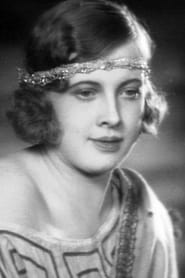
About Nina Latonina
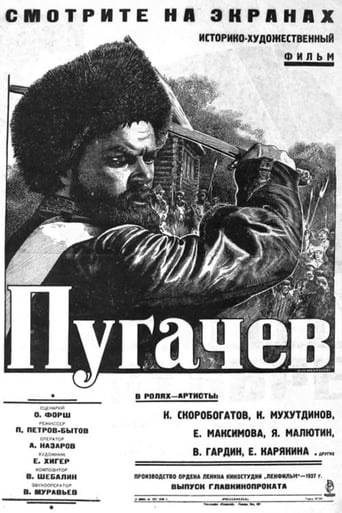
Soviet actress: brief but notable career was centered around the burgeoning film industry of Stalinist Russia. Her entire known filmography consists of a single, yet significant, role in the 1937 historical epic 'Pugachev', directed by the renowned Pavel Petrov-Bytov. This film, a dramatization of the 18th-century Pugachev Rebellion led by Yemelyan Pugachev against Catherine the Great, was a major production of its time and reflected the state's interest in grand historical narratives. Latonina was cast in a supporting role, though the specifics of her character are not well-documented in surviving international film archives. Her performance in this politically charged and artistically ambitious film represents the entirety of her documented work as a professional actress. The lack of further credits suggests her career may have been a brief foray into acting, or that her work was confined to smaller roles or theatrical productions that were not widely recorded. She remains a figure of interest primarily for film historians specializing in Soviet cinema of the 1930s, representing the many actors who contributed to the era's large-scale productions but whose careers were not extensively chronicled.
The Craft
On Screen
While specific details of her acting style are not documented, her performance in 'Pugachev' would have conformed to the conventions of Soviet socialist realism of the 1930s. This style emphasized clear, heroic characterizations, strong emotional delivery, and a theatrical gravitas suited for epic historical narratives. Actors in such films were expected to embody archetypal figures that served both dramatic and ideological purposes.
Milestones
- Appeared in the 1937 Soviet historical epic 'Pugachev'
Best Known For
Iconic Roles
Must-See Films
Working Relationships
Worked Often With
Studios
Why They Matter
Impact on Culture
Nina Latonina's cultural impact is intrinsically tied to her participation in 'Pugachev', a film that contributed to the Soviet state's project of creating a national cinematic mythology. By taking part in this large-scale historical epic, she contributed to a cinematic work that shaped public understanding of Russian history and rebellion through the lens of Soviet ideology. Although her individual contribution was minor, she was part of a collective artistic effort that produced a significant cultural artifact of its time, reflecting the grandeur and political messaging characteristic of 1930s Soviet cinema.
Lasting Legacy
Nina Latonina's legacy is that of a representative figure of the countless actors who populated the casts of major Soviet films but whose individual stories remain obscure. Her name endures primarily in filmographies and databases dedicated to classic cinema, serving as a reminder of the vast, collaborative nature of filmmaking. For historians, she is a small but tangible link to the production of 'Pugachev' and the specific artistic and political climate of the Soviet film industry in 1937.
Who They Inspired
Due to the brevity of her documented career, there is no available information to suggest that Nina Latonina directly mentored or influenced other filmmakers or actors. Her influence is limited to the performance she gave on screen, which contributed to the overall artistic vision of Pavel Petrov-Bytov's 'Pugachev'. Her primary influence on contemporary cinema is as a subject of historical study rather than as an artistic progenitor.
Off Screen
Very little is publicly known about the personal life of Nina Latonina. Her brief appearance in the historical record is limited to her film credit in 'Pugachev'. Information regarding her family, relationships, or life outside of her single film role has not been preserved in widely accessible archives or historical texts, which is not uncommon for supporting actors from that period in Soviet history.
Did You Know?
- Her entire known filmography consists of just one film, 'Pugachev' (1937).
- 'Pugachev' was a major historical epic about the famous 18th-century Cossack rebellion.
- The film was directed by Pavel Petrov-Bytov, a prominent figure in early Soviet cinema.
- Due to the lack of further credits, she is often classified as a one-film actress.
- Her career was active during the height of Stalin's purges, a difficult time for many artists in the Soviet Union.
- The film 'Pugachev' is considered a classic of Soviet historical cinema, though it is not widely known in the West.
- Information about her life outside of this single film role is extremely scarce.
Frequently Asked Questions
Who was Nina Latonina?
Soviet actress active in the 1930s. She is known exclusively for her role in the 1937 historical film 'Pugachev', making her a figure of interest primarily for film historians studying the cinema of that era.
What films is Nina Latonina best known for?
Titles linked here include Pugachev (1937).
When was Nina Latonina born and when did she die?
Unfortunately, the birth and death dates for Nina Latonina are not publicly known. Her nationality was Soviet, but more specific biographical details have not been preserved in accessible historical records.
What awards did Nina Latonina win?
There are no records of Nina Latonina receiving any major awards or nominations for her work. Her brief career and supporting role make it unlikely she was widely recognized by official Soviet or international award bodies.
What was Nina Latonina's acting style?
While her specific style is not documented, her performance in 'Pugachev' would have adhered to the conventions of Soviet socialist realism. This style was characterized by theatrical, clear, and emotionally direct acting intended to serve the film's epic and ideological narrative.