Films
2 films
About Nikolai Litvinov
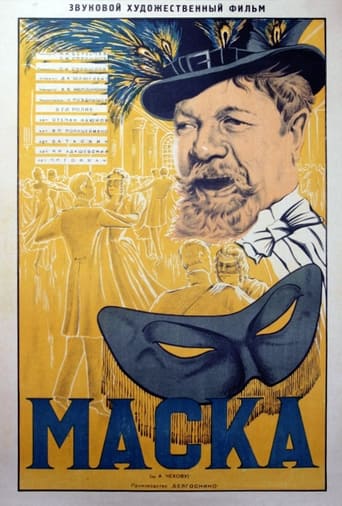
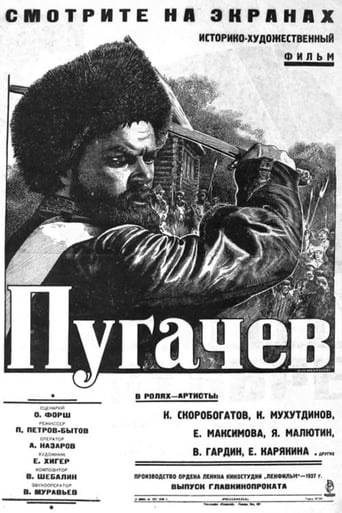
Soviet actor active during the late 1930s, appearing in a small but notable filmography during Stalin's era of Soviet cinema. His career, though brief, coincided with a significant period in Soviet filmmaking when historical epics and revolutionary narratives were heavily promoted by the state. Litvinov appeared in 'Pugachev' (1937), a historical drama about the famous 18th-century Russian peasant rebellion leader Yemelyan Pugachev, which was one of the major Soviet productions of its time. His second confirmed film appearance was in 'Маска' (The Mask, 1938), though details about his role in this production are scarce. Like many actors of his era, his work was likely constrained by the political demands of Soviet cultural policy, which required strict adherence to socialist realism principles. His career appears to have been cut short or may have continued in less documented venues such as theater or smaller film productions. The limited surviving documentation about his life and career reflects the broader challenge of researching actors from this period of Soviet cinema, where many records were lost or never properly archived.
The Craft
Best Known For
Must-See Films
Working Relationships
Studios
Why They Matter
Impact on Culture
Nikolai Litvinov's contribution to cinema, while limited in scope, represents the work of countless supporting actors who formed the backbone of Soviet film production during the 1930s. His appearance in 'Pugachev' (1937) places him within the context of Soviet historical cinema, which played a crucial role in shaping national identity and historical consciousness under Stalin. These films were not merely entertainment but ideological tools designed to promote specific narratives about Russian and Soviet history. The fact that he worked during this period means he was part of the massive state-sponsored effort to create a distinctly Soviet cinema that could compete with Hollywood while serving political purposes. His brief film career also reflects the precarious nature of artistic work during the Great Purge era, when many cultural figures faced persecution or were forced to leave their professions.
Lasting Legacy
Nikolai Litvinov's legacy is primarily preserved through his surviving film work, particularly his role in the historically significant 'Pugachev' (1937). While he may not have achieved star status, his contributions as a supporting actor are representative of the thousands of performers who made Soviet cinema possible during its formative years. His story illustrates how many actors from this period have been largely forgotten by film history, not due to lack of talent or importance, but because of the limited documentation and archival challenges of the era. His films continue to be studied by film historians interested in Soviet cinema of the 1930s, particularly the genre of historical epics that dominated the period.
Who They Inspired
As a supporting actor with a brief documented career, Nikolai Litvinov's direct influence on other performers is difficult to trace. However, like all actors of his generation, he contributed to the development of Soviet acting traditions that would influence subsequent generations of performers. His work in historical films helped establish acting conventions for portraying revolutionary and historical figures in Soviet cinema, which would become standardized in later decades.
Off Screen
Very little information is available about Nikolai Litvinov's personal life, which is common for supporting actors from the Soviet 1930s whose careers were not extensively documented.
Did You Know?
- Appeared in Soviet films during the height of Stalin's cultural policies
- His film active years covered only two known years (1937-1938)
- Worked during the Great Purge era, a dangerous time for Soviet artists
- 'Pugachev' (1937) was one of the major Soviet historical productions of its time
- The Russian title 'Маска' translates to 'The Mask' in English
- Like many Soviet actors of his era, detailed biographical information is scarce
- His career coincided with the peak of socialist realism in Soviet arts
- Historical films like 'Pugachev' were heavily funded and promoted by the Soviet state
Frequently Asked Questions
Who was Nikolai Litvinov?
Soviet with credits in this catalog. He was a supporting actor during the Stalinist era of Soviet cinema, a period when historical epics and revolutionary narratives dominated the film industry.
What films is Nikolai Litvinov best known for?
When was Nikolai Litvinov born and when did he die?
Unfortunately, specific birth and death dates for Nikolai Litvinov are not available in surviving records, which is common for many supporting actors from the Soviet 1930s whose biographical information was not extensively documented.
What awards did Nikolai Litvinov win?
There are no documented awards or honors for Nikolai Litvinov, which was typical for supporting actors in Soviet cinema of the 1930s unless they achieved prominent status or made exceptional contributions to the arts.
What was Nikolai Litvinov's acting style?
Specific details about Litvinov's acting style are not documented, but as a Soviet actor in the 1930s, he likely worked within the conventions of socialist realism, which emphasized clear characterizations and ideological clarity in performance.