William James Craft
Director
Born: January 1, 1886 in Toronto, Canada Died: June 30, 1931 Active: 1910-1931
Films
1 film
About William James Craft
Prolific Canadian-born film director, screenwriter, and cinematographer who became a significant figure during Hollywood's transition from the silent era to the early sound period. Born in Toronto in 1886, he began his professional journey with five years in the theater before entering the film industry in 1910, initially working as a photographer and assistant director. He gained early recognition for his work on Westerns and adventure serials, including the 1910 production of 'Buffalo Bill's Wild West and Pawnee Bill's Far East,' which marked his directorial debut. Throughout the 1920s, Craft became a mainstay at Universal Pictures, where he directed dozens of action-packed features and popular comedy series. He was particularly noted for his ability to handle the technical challenges of early sound films, directing the first 'talkie' in the popular 'The Cohens and the Kellys' franchise. His career reached a high point in 1931 when he directed 'The Runaround' for RKO, a film shot in a new grain-free Technicolor process. Tragically, his life and promising career were cut short when he died from injuries sustained in an automobile accident in June 1931, just months before his final films were released.
The Craft
Behind the Camera
Craft was known for his versatility, moving seamlessly between rugged Westerns, high-stakes adventure serials, and broad urban comedies. In the early sound era, he demonstrated a technical proficiency for 'part-talkies' and full sound productions, often balancing slapstick humor with the technical limitations of early recording equipment. His work on 'The Runaround' showcased an eye for visual innovation, utilizing early color processes to enhance the musical and dramatic elements of the film.
Milestones
- Directed the first sound film in 'The Cohens and the Kellys' series (1930)
- Directed 'The Runaround' (1931), one of the first films to use an improved grain-free Technicolor process
- Served as a photographer during World War I
- Directed over 60 films during the silent and early sound eras
- Established a long-standing collaboration with Universal Pictures as a reliable genre director
Best Known For
Must-See Films
Accolades
Special Recognition
- Recognized as a pioneer of early Technicolor cinematography through his direction of 'The Runaround'
Working Relationships
Worked Often With
Studios
Why They Matter
Impact on Culture
Craft played a vital role in the democratization of cinema through his work on popular comedy series like 'The Cohens and the Kellys,' which explored ethnic humor and immigrant life for a mass audience. His transition into sound films helped stabilize major studios like Universal during a period of extreme industrial volatility. By directing 'The Runaround,' he contributed to the technical evolution of color cinematography, proving that the new Technicolor process could produce high-quality, grain-free images suitable for feature-length narratives.
Lasting Legacy
William James Craft is remembered as a 'director's director'—a reliable and technically skilled filmmaker who could navigate the transition from silents to talkies with ease. His work is preserved in the Library of Congress, specifically 'The Cohens and the Kellys in Scotland,' ensuring his contribution to the early sound comedy genre remains accessible to historians. He remains a tragic figure of the early 1930s, representing a generation of filmmakers whose potential was cut short by the hazards of the era.
Who They Inspired
His efficient directing style and early adoption of sound and color technologies influenced the production workflows at Universal and RKO. He proved that genre films (comedies and Westerns) could be used as testing grounds for new cinematic technologies like synchronized sound and Technicolor.
Off Screen
William James Craft was born in Canada and moved to the United States to pursue a career in the burgeoning film industry. He was a veteran of World War I, where he utilized his skills as a photographer. He lived in Hollywood during the height of his career and was a well-respected member of the filmmaking community until his untimely death in 1931.
Education
Five years of practical training in professional theater prior to entering the film industry in 1910.
Did You Know?
- He died from injuries sustained when his car plunged off a cliff in Pacific Palisades, California.
- His final film, 'The Runaround,' was released posthumously in August 1931.
- He directed the very first film produced by the Pawnee Bill Film Company in 1910.
- Craft was one of the few directors of his time to have worked as a photographer, cinematographer, writer, and director.
- He is buried at the famous Hollywood Forever Cemetery.
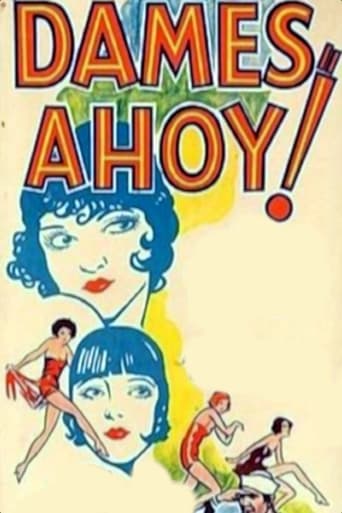
- He directed the legendary Walter Brennan in early roles in 'Dames Ahoy!' and 'The Cohens and the Kellys in Atlantic City.'
- His film 'The Runaround' was released in the UK under the title 'Waiting for the Bride.'
- He was a veteran of the Canadian military efforts during World War I, serving as a photographer.
Frequently Asked Questions
Who was William James Craft?
Canadian-American on YTB.my. He was a prolific filmmaker for Universal Pictures, known for directing over 60 films, including popular comedies and Westerns.
What films is William James Craft best known for?
Titles linked here include Dames Ahoy! (1930), The Cohens and the Kellys in Scotland (1930).
When was William James Craft born and when did he die?
Born January 1, 1886; died June 30, 1931.
What was William James Craft's directing style?
Craft — versatile genre director who excelled at fast-paced comedies and action-serials. He was an early adopter of new technologies, successfully managing the transition from silent films to 'talkies' and experimenting with early color cinematography.
What is William James Craft's legacy in film history?
His legacy lies in his contribution to the early sound era and his role as a pioneer in color film. Many of his films are preserved by the Library of Congress as important examples of early 20th-century American comedy and technical innovation.