Films
4 films
About W.C. Robinson
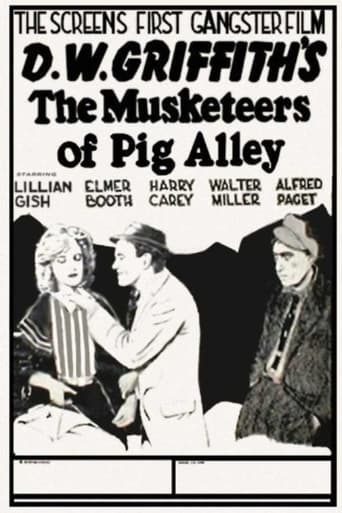
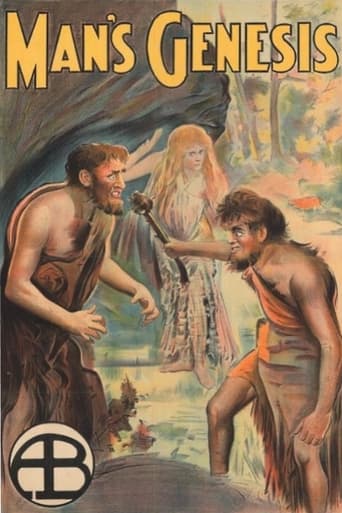
Minor American actor who appeared briefly during the years of American cinema, working exclusively in 1912. His entire known filmography consists of three short films produced by the Biograph Company under the direction of D.W. Griffith, who was revolutionizing filmmaking techniques during this period. Robinson appeared in 'The Musketeers of Pig Alley,' which is historically significant as one of the first gangster films ever made, showcasing Griffith's innovative use of realistic urban settings and multi-layered storytelling. He also appeared in 'Man's Genesis,' a prehistoric drama that demonstrated Griffith's ambitious approach to historical epics even in short form, and 'A Beast at Bay,' another Biograph production from the same prolific year. Like many actors of this early period, Robinson likely worked as an extra or bit player, contributing to the ensemble casts that populated Griffith's rapidly produced films. The brevity of his career—spanning only a single year—was not uncommon during the transitional period when film acting was not yet established as a stable profession, with many performers trying their hand at the new medium before moving on to other pursuits.
The Craft
Milestones
- Appeared in three D.W. Griffith Biograph shorts in 1912
- Participated in early American cinema's formative period
- Appeared in 'The Musketeers of Pig Alley,' considered one of the first gangster films
Best Known For
Must-See Films
Working Relationships
Worked Often With
Studios
Why They Matter
Impact on Culture
While W.C. Robinson himself was not a significant cultural figure, his participation in D.W. Griffith's 1912 Biograph productions places him within the foundational period of American cinema. The films he appeared in, particularly 'The Musketeers of Pig Alley,' represent important milestones in film history, with the latter being widely recognized as the gangster genre. Robinson's brief career exemplifies the transient nature of early film acting, where many performers contributed to the medium's development without achieving lasting recognition.
Lasting Legacy
W.C. Robinson's legacy is primarily as a representative example of the countless anonymous performers who helped establish cinema as an art form during its infancy. His appearance in three significant early films connects him to the crucial period when D.W. Griffith was developing cinematic language and techniques that would influence filmmaking for decades. While Robinson himself did not achieve lasting fame, his participation in these historically important films makes him part of the foundational fabric of American cinema.
Who They Inspired
As a minor actor with an extremely brief career, W.C. Robinson did not have a documented influence on other performers or filmmakers. His influence is limited to being part of the ensemble casts that populated Griffith's innovative early works, which themselves influenced generations of filmmakers.
Off Screen
Very little is known about W.C. Robinson's personal life, as was common for minor actors from the earliest days of cinema who often worked anonymously or with minimal documentation.
Did You Know?
- Appeared exclusively in films from the year 1912
- All three of his known films were directed by D.W. Griffith
- Worked for the Biograph Company, one of America's first film production companies
- Participated in what is considered one of the first gangster films ('The Musketeers of Pig Alley')
- His active years covered less than 12 months, typical of many early film actors
- No records indicate he had any credited or named roles in his films
- The Biograph Company produced hundreds of short films annually during this period
- 1912 was a pivotal year for D.W. Griffith's development as a filmmaker
Frequently Asked Questions
Who was W.C. Robinson?
American with credits in this catalog.W. Griffith-directed shorts for the Biograph Company. He was a minor performer during the days of American cinema.
What films is W.C. Robinson best known for?
Titles linked here include The Musketeers of Pig Alley (1912), Man's Genesis (1912).
When was W.C. Robinson born and when did he die?
The birth and death dates of W.C. Robinson are not documented in historical records, which was common for minor actors from the earliest period of American cinema.
What awards did W.C. Robinson win?
W.C. Robinson did not receive any known awards or recognition during his brief film career in 1912.
What was W.C. Robinson's acting style?
There is no documented information about Robinson's specific acting style, as he was a minor performer likely appearing as an extra or bit player in ensemble casts without credited roles.
Why was W.C. Robinson's career so short?
Robinson's career lasted only one year, which was not uncommon for early film actors. Many performers tried acting in the new medium briefly before moving on to other professions, as film acting was not yet established as a stable career path in 1912.