
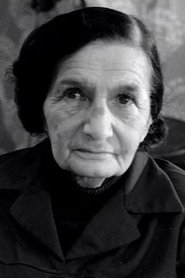
Nadezhda Kosheverova
Director
Born: September 23, 1902 in St. Petersburg, Russian Empire Died: March 22, 1989 Active: 1929-1975 Birth Name: Nadezhda Nikolaevna Kosheverova
Films
3 films
About Nadezhda Kosheverova
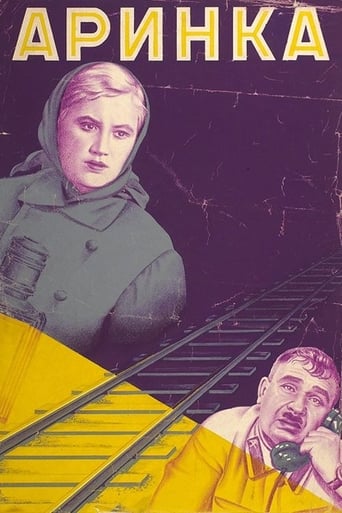
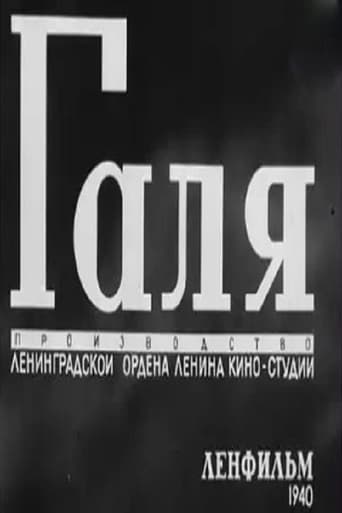
Nadezhda Nikolaevna Kosheverova — Soviet film director and screenwriter who became one of the first prominent female directors in Russian cinema. Born in St. Petersburg in 1902, she began her career in the 1920s as an assistant director at Lenfilm studio, where she worked alongside notable Soviet filmmakers. Her directorial debut came with 'Arinka' in 1939, followed by 'Galya' in 1940, establishing her talent for creating engaging family films. Her masterpiece 'Cinderella' (1947) became a classic of Soviet cinema and remains beloved to this day. Throughout her career spanning five decades, Kosheverova specialized in fairy tale adaptations and children's films, developing a distinctive visual style that combined theatrical elements with cinematic innovation. She continued directing well into the 1970s, with her final film 'The Magic Mirror' released in 1975. Kosheverova's work in establishing Soviet children's cinema as a respected genre and paved the way for future generations of female filmmakers in the Soviet Union.
The Craft
Behind the Camera
Kosheverova's directing style was characterized by a unique blend of theatricality and cinematic innovation, particularly in her fairy tale adaptations. She employed elaborate set designs, colorful costumes, and a whimsical visual aesthetic that brought magical elements to life on screen. Her approach to children's films emphasized moral lessons while maintaining entertainment value, using exaggerated performances and stylized movements reminiscent of stage productions. She had a particular talent for creating enchanting atmospheres through careful attention to production design and visual storytelling techniques that appealed to both children and adults.
Milestones
- Directorial debut with 'Arinka' (1939)
- Directed the classic 'Cinderella' (1947)
- female director in Soviet cinema
- Specialized in fairy tale adaptations
- Worked at Lenfilm studio for over 40 years
- Directed 'The Little Humpbacked Horse' (1941)
- Created 'The Tale of the Fisherman and the Fish' (1950)
- Final film 'The Magic Mirror' (1975)
Best Known For
Must-See Films
Accolades
Won
- Honored Artist of the RSFSR (1965)
- Order of the Badge of Honour
- Order of the Red Banner of Labour
Nominated
- State Prize of the RSFSR nomination for Cinderella (1947)
Special Recognition
- People's Artist of the RSFSR (1978)
- Lenfilm Studio Lifetime Achievement Award
- Pioneer of Soviet Women's Cinema recognition
Working Relationships
Worked Often With
Studios
Why They Matter
Impact on Culture
Nadezhda Kosheverova had a profound impact on Soviet cinema as one of the female directors in the industry. Her work in children's films and fairy tale adaptations established a new standard for family entertainment in the Soviet Union, creating timeless classics that continue to be cherished by Russian audiences. Her version of 'Cinderella' (1947) became a cultural touchstone, rivaling Disney's interpretation in popularity within the Eastern Bloc and demonstrating that Soviet cinema could produce world-class family entertainment. Kosheverova's success challenged gender barriers in the Soviet film industry, proving that women could excel in directing roles traditionally dominated by men. Her films played a significant role in shaping the cultural education of Soviet children, introducing them to classic fairy tales through a distinctly Soviet lens while maintaining universal appeal.
Lasting Legacy
Nadezhda Kosheverova's legacy endures through her influential body of work, particularly her fairy tale adaptations that remain beloved classics in Russian cinema. She paved the way for future generations of women filmmakers in Russia and the former Soviet Union, demonstrating that female directors could achieve commercial and critical success in the film industry. Her innovative approach to visual storytelling in children's films influenced countless subsequent directors working in the genre. The continued popularity of her films, especially 'Cinderella' and 'The Little Humpbacked Horse,' speaks to the timeless quality of her artistic vision. Kosheverova is remembered not only as a talented director but also as a cultural icon who helped define Soviet family entertainment and contributed significantly to the development of Russian cinema as an art form.
Who They Inspired
Kosheverova influenced subsequent generations of Soviet and Russian filmmakers, particularly those working in children's cinema and fantasy genres. Her success as a female director in the 1930s and 1940s inspired other women to pursue careers behind the camera in the Soviet film industry. Her visual style and approach to adapting fairy tales became a reference point for later directors working in similar genres. The theatrical elements and elaborate production design she employed influenced the aesthetic of Soviet family films for decades. Contemporary Russian directors of children's films and fantasy adaptations continue to draw inspiration from her work, particularly her ability to balance entertainment value with educational content.
Off Screen
Nadezhda Kosheverova was married to fellow filmmaker Mikhail Shapiro, with whom she collaborated on several projects. The couple had one son, who also pursued a career in the arts. Despite the challenges of being a woman in the male-dominated Soviet film industry, Kosheverova maintained a successful career while balancing her family responsibilities. She was known for her dedication to her craft and often worked long hours at Lenfilm studio, where she mentored younger filmmakers and became a respected figure in the Soviet cinema community. Her personal life was relatively private, with most public attention focused on her professional achievements and contributions to Soviet cinema.
Education
Graduated from the Institute of Screen Arts in Leningrad (now St. Petersburg) in the 1920s, where she studied film directing and screenwriting under prominent Soviet filmmakers of the era.
Family
- Mikhail Shapiro (1930s-1980s)
Did You Know?
- One of the first women to direct feature films in the Soviet Union
- Her 'Cinderella' (1947) was more popular than Disney's version in the Soviet Union
- Worked as an assistant director for 10 years before her directorial debut
- Many of her films were adaptations of Russian folk tales and classic literature
- Her films often featured elaborate costumes and set designs inspired by Russian folk art
- Survived the Siege of Leningrad during World War II while working at Lenfilm
- Her husband Mikhail Shapiro was also a prominent Soviet director
- Received the title 'People's Artist of the RSFSR' in 1978, one of the highest cultural honors in the Soviet Union
- Her films were regularly shown on Soviet television during holiday seasons
- Mentored several young female directors who later became prominent in Russian cinema
In Their Own Words
A fairy tale on screen should be more magical than on stage, but keep the heart of the story intact
Making films for children is the greatest responsibility, as we shape their imagination and values
In Soviet cinema, we proved that women could direct with the same skill and vision as men
Every fairy tale has a moral, but it must be told through beauty and wonder, not preaching
Frequently Asked Questions
Who was Nadezhda Kosheverova?
Soviet on YTB.my.
What films is Nadezhda Kosheverova best known for?
Titles linked here include Cinderella (1947), The Little Humpbacked Horse (1941).
When was Nadezhda Kosheverova born and when did she die?
Born September 23, 1902; died March 22, 1989.
What awards did Nadezhda Kosheverova win?
She received several prestigious honors including the title of People's Artist of the RSFSR (1978), Honored Artist of the RSFSR (1965), the Order of the Badge of Honour, and the Order of the Red Banner of Labour for her contributions to Soviet cinema.
What was Nadezhda Kosheverova's directing style?
Her directing style combined theatrical elements with cinematic innovation, featuring elaborate set designs, colorful costumes, and a whimsical visual aesthetic that brought magical fairy tale elements to life while emphasizing moral lessons through entertainment.