Films
1 film
About Mikhail Shapiro
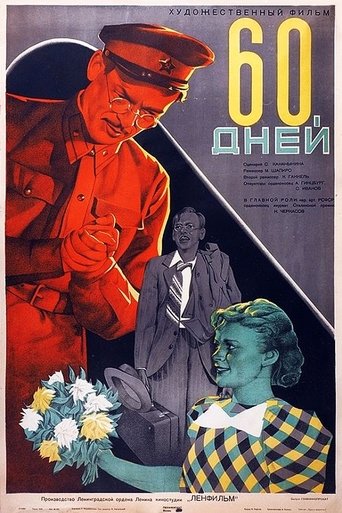
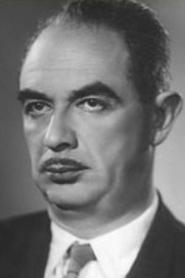
Soviet film director active during World War II, best known for his 1943 film '60 Days.' His career appears to have been brief, with his only documented directorial work coming during the height of the war. '60 Days' was likely a wartime propaganda film or drama, typical of Soviet cinema during this period when filmmakers were mobilized to support the war effort. Shapiro's work would have been created under the strict state control of Soviet film production, where directors served both artistic and ideological purposes. His single known film suggests he may have been a wartime filmmaker who either died in the conflict, returned to other pursuits after the war, or worked primarily in other capacities within the Soviet film industry. The limited documentation of his career indicates he was not among the prominent Soviet directors of his era who achieved international recognition.
The Craft
Behind the Camera
Likely adhered to Soviet Socialist Realist principles, emphasizing collective heroism and wartime patriotism typical of Soviet cinema during WWII
Milestones
- Directed '60 Days' (1943)
Best Known For
Must-See Films
Working Relationships
Studios
Why They Matter
Impact on Culture
As a director of only one known film during World War II, Mikhail Shapiro's cultural impact appears to have been minimal and localized. His work would have contributed to the massive Soviet wartime propaganda effort, which was crucial for maintaining civilian and military morale during the brutal Eastern Front conflict. However, without the lasting recognition or preservation that came to the works of more prominent Soviet directors like Eisenstein or Pudovkin, Shapiro's contribution to cinema history remains obscure. His single film represents the thousands of lesser-known works that formed the backbone of Soviet cultural production during its most critical historical moment.
Lasting Legacy
Mikhail Shapiro's legacy is that of a minor footnote in the vast history of Soviet cinema during World War II. His work exemplifies how thousands of filmmakers contributed to their nation's cultural efforts during wartime without achieving lasting fame or recognition. The obscurity surrounding his career highlights how film history often preserves only the most prominent figures while countless others who contributed to their era's cultural landscape fade from memory. His story represents the typical journey of many Soviet cultural workers who served their country's needs during its darkest hours.
Who They Inspired
Given the limited documentation of his work and career, Mikhail Shapiro's influence on other filmmakers appears to have been minimal or non-existent. He was likely more influenced by the prevailing Soviet cinematic conventions of his time rather than establishing new approaches or techniques that would inspire others.
Off Screen
Very little is documented about Mikhail Shapiro's personal life, which is not uncommon for minor Soviet filmmakers from this period. Many details about Soviet film industry personnel from the 1940s remain obscured by time and limited archival access.
Did You Know?
- Mikhail Shapiro's entire known directorial career consists of just one film in 1943
- His film '60 Days' was produced during the height of World War II on the Eastern Front
- The title '60 Days' likely refers to a significant wartime period or military operation
- Soviet filmmakers during WWII often worked under extreme conditions with limited resources
- Many Soviet films from 1943 have been lost or are difficult to access in Western archives
- The year 1943 was a turning point in WWII, following the Soviet victory at Stalingrad
Frequently Asked Questions
Who was Mikhail Shapiro?
Soviet on YTB.my.' His career appears to have been brief, with only one documented directorial credit to his name.
What films is Mikhail Shapiro best known for?
Titles linked here include 60 Days (1943).
When was Mikhail Shapiro born and when did he die?
Specific birth and death dates for Mikhail Shapiro are not available in documented film history sources, which is not uncommon for minor Soviet filmmakers from this period.
What awards did Mikhail Shapiro win?
No awards or honors for Mikhail Shapiro are documented in available film history sources, suggesting he did not receive formal recognition for his work during his lifetime.
What was Mikhail Shapiro's directing style?
While specific details about Shapiro's directing style are not documented, as a Soviet filmmaker in 1943 he likely worked within the Socialist Realist tradition, emphasizing patriotic themes and collective heroism typical of wartime Soviet cinema.