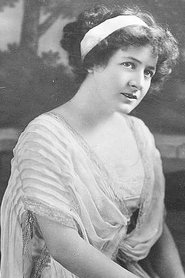
Frances Starr
Actor
Born: June 6, 1886 in New York City, New York, USA Died: November 10, 1973 Active: 1905-1930 Birth Name: Frances Louise Starr
Films
1 film
About Frances Starr
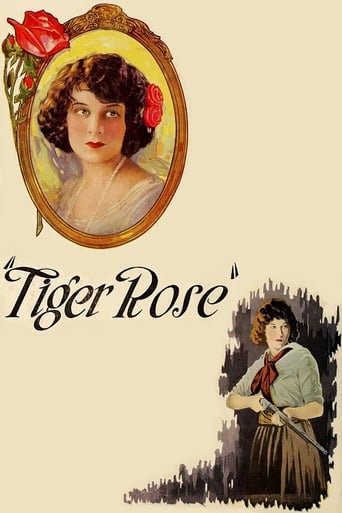
Frances Louise Starr — accomplished American stage actress who enjoyed a prolific career in theater during the early 20th century, though her film appearances were notably brief. Born in New York City in 1886, she began her theatrical career in the early 1900s and quickly established herself as a respected character actress on Broadway. Her most significant film role came in 1923 when she appeared in the silent adventure drama 'Tiger Rose' starring Lenore Ulric, which represented one of her few forays into cinema. Starr's primary legacy lies in her extensive stage work, where she performed in numerous productions throughout the 1910s and 1920s, earning critical acclaim for her nuanced performances. Her personal life became intertwined with Hollywood history through her marriage to prominent stage and film actor Richard Bennett, making her part of one of entertainment's most famous theatrical families. While she largely retired from performing after the 1920s, her influence extended through her daughters, who would become major film stars. Starr's career exemplifies the transition from stage-dominated entertainment to the rising prominence of cinema in the 1920s.
The Craft
On Screen
Classical stage acting technique with emphasis on dramatic presence and character development, typical of early 20th century theater performers
Milestones
- Broadway stage debut in early 1900s
- Appeared in Tiger Rose (1923)
- Married to actor Richard Bennett
- Mother of three famous actresses: Constance, Barbara, and Joan Bennett
- Successful stage career spanning over two decades
Best Known For
Iconic Roles
Must-See Films
Accolades
Special Recognition
- Recognized as matriarch of the Bennett acting family
Working Relationships
Worked Often With
Studios
Why They Matter
Impact on Culture
Frances Starr's primary cultural impact came through her role as matriarch of one of Hollywood's most famous acting families. While her own film career was minimal, her daughters, particularly Constance and Joan Bennett, became major stars who significantly influenced American cinema. Joan Bennett's work in film noir and Constance's success as a leading lady in the 1930s and 1940s can be traced back to the theatrical foundation their mother provided. Starr represented the bridge between the 19th century theatrical tradition and the emerging Hollywood studio system, embodying the transition many performers experienced during this era.
Lasting Legacy
Frances Starr's legacy is primarily preserved through her daughters' remarkable careers and the Bennett family's lasting impact on American entertainment. Her life story illustrates the changing landscape of performing arts in early 20th century America, from stage dominance to the rise of cinema. While she may not be remembered for specific performances, her role in nurturing three successful actresses who collectively shaped Hollywood's Golden Age ensures her place in film history. The Bennett family's multi-generational contribution to entertainment stands as proof of her influence and the theatrical values she instilled in her children.
Who They Inspired
Starr influenced her daughters' career choices and provided them with early exposure to the performing arts. Her classical stage training likely informed Joan Bennett's dramatic technique and screen presence. The work ethic and professionalism she demonstrated throughout her stage career served as a model for her children's approach to their own careers in the more demanding Hollywood studio system.
Off Screen
Frances Starr married fellow actor Richard Bennett in 1901, becoming part of a prominent theatrical family. The couple had three daughters who would all become successful actresses: Constance Bennett, Barbara Bennett, and Joan Bennett. Her marriage to Bennett ended in divorce in 1925, which was considered scandalous at the time. She largely withdrew from public life after her daughters established their own careers, maintaining a private existence until her death in 1973 at age 87.
Education
Educated in New York City, likely received theatrical training common for actresses of her era
Family
- Richard Bennett (1901-1925)
Did You Know?
- Her daughter Joan Bennett was married to director Gene Markey, who later married Myrna Loy
- She was the grandmother of actress and writer Marilyn Lane
- Her ex-husband Richard Bennett was also a successful film actor, appearing in 'What Price Hollywood?' (1932)
- The Bennett family was one of Hollywood's most prominent acting dynasties
- Her divorce from Richard Bennett was highly publicized in 1925
- Despite her brief film career, she appeared in one of Lenore Ulric's most famous vehicles
- She was part of New York's theatrical elite during the 1910s and 1920s
- Her daughters collectively appeared in hundreds of films throughout their careers
- She lived to see her daughters achieve major success in Hollywood
- Her granddaughter Diana Bennett Williams also became an actress
In Their Own Words
No widely documented quotes are attributed to Frances Starr, as she was primarily a stage actress of the early 20th century and maintained a relatively private life, especially compared to her famous daughters
Frequently Asked Questions
Who was Frances Starr?
American stage actress active during the early 20th century, best known as the mother of actresses Constance, Barbara, and Joan Bennett. While she had a successful Broadway career, her film appearances were minimal, with her most notable being 'Tiger Rose' (1923). She was married to actor Richard Bennett and was part of one of entertainment's most famous theatrical families.
What films is Frances Starr best known for?
Titles linked here include Tiger Rose (1923).
When was Frances Starr born and when did she die?
Born June 6, 1886; died November 10, 1973.
What awards did Frances Starr win?
There are no documented major awards or nominations for Frances Starr, as her recognition came primarily from her stage work rather than film performances. Her legacy is better measured through her daughters' achievements and her role in establishing the Bennett acting dynasty.
What was Frances Starr's acting style?
Frances Starr employed classical stage acting techniques typical of the early 20th century theater, emphasizing dramatic presence, clear diction, and character development. Her style reflected the formal training and theatrical traditions of Broadway before the naturalistic acting styles of later cinema became dominant.
How was Frances Starr related to Joan Bennett?
Frances Starr was the mother of Joan Bennett, the famous film actress known for her work in film noir and other classic Hollywood productions. Joan was the youngest of Frances's three daughters, all of whom became actresses, following in their parents' theatrical footsteps.
Why is Frances Starr significant in film history?
Despite her minimal film career, Frances Starr is significant in film history as the matriarch of the Bennett acting family. Her daughters, particularly Joan and Constance Bennett, became major Hollywood stars who collectively shaped American cinema. Her life represents the transition from stage to screen entertainment that defined early 20th century performing arts.