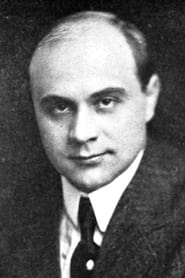
Oscar Apfel
Actor & Director
Born: January 17, 1878 in Cleveland, Ohio, USA Died: March 21, 1938 Active: 1911-1939 Birth Name: Oscar C. Apfel
Films
6 films


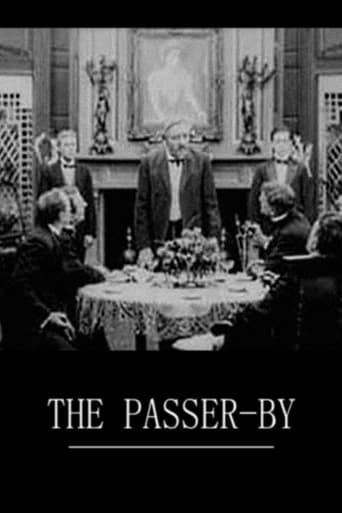
About Oscar Apfel
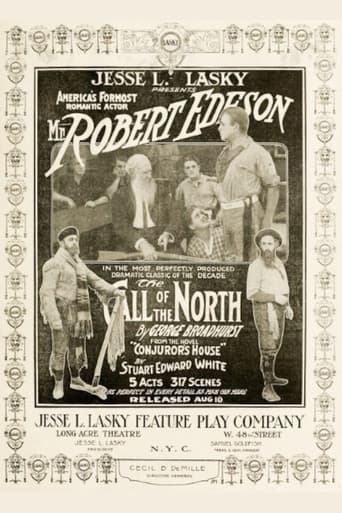
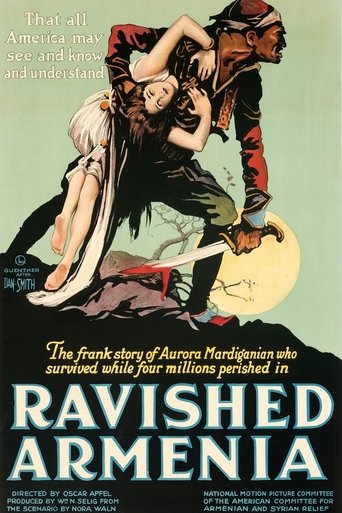
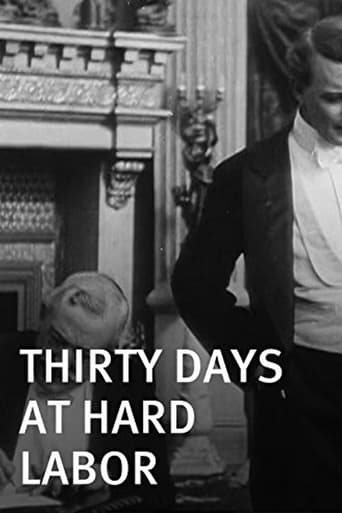
American film director and actor who in the early development of Hollywood cinema during the silent era and transition to sound. He began his film career in 1911 and quickly became one of the first directors to work at what would become Paramount Pictures, collaborating extensively with Cecil B. DeMille on early feature films including co-directing 'The Squaw Man' (1914), considered the first feature-length film made in Hollywood. Apfel directed over 80 films during his career, with notable works including 'The Call of the North' (1914) and 'Auction of Souls' (1919), which was one of the first cinematic depictions of the Armenian Genocide. As the film industry evolved and became more specialized, Apfel successfully transitioned from directing to character acting during the late 1920s and early 1930s, appearing in numerous films including 'Half Way to Heaven' (1929). His the most revolutionary period in cinema history, from the birth of feature films through the advent of sound, making him both witness to and participant in cinema's transformation. Apfel was respected for his technical knowledge and efficient directing methods, helping establish professional standards that would be adopted by the growing Hollywood studio system.
The Craft
On Screen
As an actor, Apfel typically portrayed authoritative figures and character roles, often playing businessmen, officials, and authority figures in supporting parts. His acting style reflected the theatrical traditions of the early 20th century, with the exaggerated gestures and expressive techniques suited to silent film performance that gradually adapted to the more naturalistic requirements of sound films.
Behind the Camera
Apfel's directing approach emphasized clear storytelling and visual composition during cinema's transitional period from short subjects to feature-length narratives. He frequently utilized location shooting to add authenticity to his productions and was known for his technical proficiency and efficient set management. His collaboration with Cecil B. DeMille helped develop many early cinematic techniques that would become industry standards.
Milestones
- Co-directed 'The Squaw Man' (1914) with Cecil B. DeMille, the first feature-length film made in Hollywood
- Directed over 80 films during his career
- Directed 'Auction of Souls' (1919), one of the first films about the Armenian Genocide
- Successfully transitioned from silent film directing to sound film acting
- One of the first directors to work at what would become Paramount Pictures
Best Known For
Iconic Roles
Must-See Films
Accolades
Won
- No major awards found - worked during era preceding most formal film awards
Nominated
- No formal nominations found - early cinema era
Special Recognition
- Recognized as a pioneer of early Hollywood filmmaking
- Notable collaborator with Cecil B. DeMille in establishing Hollywood as a film production center
Working Relationships
Worked Often With
Studios
Why They Matter
Impact on Culture
Oscar Apfel was part of the foundational generation of Hollywood filmmakers who established the language of narrative cinema during its most formative decade. His collaborative work with Cecil B. DeMille helped create many of the storytelling techniques that would become standard in Hollywood filmmaking, including methods for staging dramatic scenes and developing character-driven narratives. The film 'Auction of Souls' (1919) was particularly significant as one of the first cinematic depictions of the Armenian Genocide, bringing international attention to this historical tragedy through the powerful medium of motion pictures. Apfel's career trajectory from director to character actor mirrored the professional evolution of many early film pioneers as the industry matured, became more specialized, and underwent technological revolution with the advent of sound.
Lasting Legacy
Oscar Apfel's legacy lies primarily in his foundational contributions to early Hollywood's development as a center for narrative film production. His directorial work helped establish techniques for feature-length storytelling during cinema's critical transition from short subjects to full-length narratives, setting standards that would influence generations of filmmakers. The preservation of films like 'Auction of Souls' provides historians with invaluable insights into how early cinema addressed serious historical subjects and used the medium for social consciousness. His successful adaptation from directing to acting demonstrated the versatility required of early film professionals to survive and remain relevant in a rapidly changing industry, serving as a model of career adaptability during Hollywood's formative years.
Who They Inspired
While not as widely remembered as some of his more famous contemporaries like Cecil B. DeMille, Oscar Apfel significantly influenced the development of Hollywood's studio system through his work with early production companies. His technical proficiency and efficient directing methods helped establish professional standards that would be widely adopted by the growing film industry. The actors and crew who worked with him benefited from his extensive experience during cinema's transitional period, and his collaborative approach to filmmaking helped establish the team-based production methods that would become standard in Hollywood. His ability to navigate the industry's technological changes provided a model for other early film professionals facing similar career challenges.
Off Screen
Oscar Apfel married twice during his lifetime, both times to actresses who occasionally collaborated with him professionally. His first marriage was to Florence Hackett from 1913 to 1921, during which they sometimes worked together on film projects. After their divorce, he married Barbara Barondess in 1927, remaining married until his death in 1938. Apfel was known throughout the industry as a dedicated craftsman and technical expert, respected for his efficiency and knowledge of film production. He navigated the dramatic transformation of cinema from silent pictures to sound films, demonstrating remarkable adaptability in an era when many film professionals found their careers disrupted by technological change.
Education
Family
- Florence Hackett (1913-1921)
- Barbara Barondess (1927-1938)
Did You Know?
- Was one of the first directors to work at what would become Paramount Pictures
- Co-directed 'The Squaw Man' (1914) with Cecil B. DeMille, considered the first feature-length film made in Hollywood
- Directed over 80 films during his career spanning nearly three decades
- His film 'Auction of Souls' was one of the first cinematic depictions of the Armenian Genocide
- Successfully transitioned from silent film directing to sound film acting
- Was married to two actresses, Florence Hackett and Barbara Barondess
- Began his film career relatively late in life at age 33
- Worked with virtually every major studio during his lengthy career
- His directing style emphasized location shooting for authenticity in an era of increasing studio production
- Survived the transition from silent films to talkies, unlike many of his contemporaries
In Their Own Words
Limited documented quotes available from this early film pioneer
No widely cited quotes found in available historical sources
Frequently Asked Questions
Who was Oscar Apfel?
He was one of the first directors to work at Paramount Pictures and collaborated extensively with Cecil B. DeMille on early feature films, helping establish Hollywood as a center for narrative cinema.
What films is Oscar Apfel best known for?
Titles linked here include The Call of the North (1914), Auction of Souls (1919).
When was Oscar Apfel born and when did he die?
Born January 17, 1878; died March 21, 1938.
What awards did Oscar Apfel win?
Oscar Apfel worked primarily during the early cinema era before major film awards like the Academy Awards were established. While he didn't receive formal awards, he is recognized as a pioneer of early Hollywood filmmaking and a significant collaborator with Cecil B. DeMille in establishing cinematic techniques.
What was Oscar Apfel's directing style?
Apfel's directing style emphasized clear storytelling and visual composition, often using location shooting for authenticity. He worked efficiently during the transitional period from short films to features, helping develop narrative techniques that became Hollywood standards and collaborating on establishing the language of cinema.
How did Oscar Apfel contribute to early Hollywood?
Apfel was instrumental in establishing Hollywood as a center for feature film production through his work with early studios and collaboration with Cecil B. DeMille. He directed over 80 films, helped develop cinematic techniques, and successfully navigated the industry's transition from silent to sound films, demonstrating remarkable adaptability.
Did Oscar Apfel successfully transition to sound films?
Yes, Apfel successfully adapted to the transition from silent to sound films, though primarily as an actor rather than director. He appeared in numerous talking films during the early 1930s, demonstrating the versatility that helped many early film professionals survive the industry's technological changes.