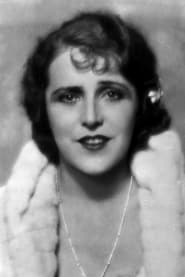
Ruth Roland
Actor
- Born
- August 28, 1892, San Francisco, California, United States
- Died
- September 22, 1937
- Active
- 1912-1927
- Birth name
- Ruth Anna LePard Roland
Films 2
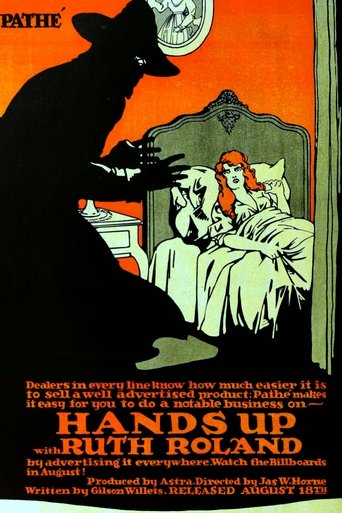
About Ruth Roland
Ruth Roland was a prominent American silent film actress and serial queen whose career flourished in the 1910s and 1920s, especially in action-oriented chapter plays that showcased her athleticism, charm, and daring screen presence. Born in San Francisco, she entered show business at a young age and moved from stage work and vaudeville into motion pictures during the earliest years of the industry. She became especially well known for playing spirited heroines in serials such as Hands Up, where she helped define the energetic, cliffhanger-driven style that made silent serials hugely popular with audiences. Roland was admired not only for her beauty and screen appeal but also for performing many of her own stunts, which gave her a reputation as one of the most physically capable actresses of the silent era. Although her film career slowed after the silent period and she eventually retired from the screen, she remained a remembered figure in early Hollywood history. She was married to actor Ben Bard, and her personal life later included a long association with the Beverly Hills social scene after retirement. Today she is chiefly remembered as one of the era's standout action heroines and an important early female star of serial melodramas.
More about Ruth Roland
On screen
Ruth Roland's acting style was typical of the best silent-era action stars: expressive, energetic, and highly physical, with a clear emphasis on movement, facial expression, and dramatic immediacy rather than dialogue. She was especially effective in peril, chase, and rescue scenes, where her athletic poise and brisk screen timing made her characters feel capable and adventurous. Her performances often combined feminine appeal with self-reliance, helping her characters project both glamour and determination. In serials and melodramas, she used broad but controlled gestures and a vivid emotional directness suited to silent storytelling. She is often remembered as one of the actresses who made the silent serial heroine seem brave, agile, and modern.
In film history
Ruth Roland was part of the generation that helped create the silent serial heroine, a character type that became central to popular American moviegoing in the 1910s and 1920s. Her screen persona mixed vulnerability with competence, helping normalize the idea that female stars could be active participants in adventure narratives rather than passive observers. Audiences responded to her athleticism and to the sense that she genuinely participated in the physical excitement of serial filmmaking, which increased the appeal of the genre. She also contributed to the evolution of the female action star long before later eras of adventure cinema and television. For historians, she remains significant as a representative of how silent cinema developed star images around motion, spectacle, and recurring chapter-play suspense.
Later reputation
Roland's lasting legacy lies in her status as one of silent cinema's best-known serial queens and an early model for the adventurous female lead. Even though many of her films are lost or difficult to access, her name continues to appear in silent-film scholarship, fan reference works, and histories of early action melodrama. She stands as a reminder that women were not only central to silent-era stardom but also crucial to the commercial success of serials and Western adventures. Her career also illustrates the fragility of silent-film fame, as performers who were once hugely popular often became less visible after the transition to sound and the passage of time. In film history, she is remembered as an important bridge between vaudeville performance traditions and the cinematic action heroine.
Influence
Ruth Roland influenced the development of the serial heroine by showing that a female lead could be glamorous, brave, and physically active at the same time. Her work helped establish a template later echoed by adventure heroines in film serials, comic adaptations, and television action roles. She also helped broaden expectations for women in silent-era popular entertainment, proving that audiences would embrace women in roles that required speed, danger, and resilience. Later generations of performers in action and adventure genres can be seen as inheriting part of the path she helped clear. Her influence is especially evident in the tradition of the capable, self-directed heroine who drives the plot rather than merely reacting to it.
Off screen
Ruth Roland was married to actor Ben Bard, and the marriage connected her to another figure working in entertainment. Sources on her later years note that she withdrew from films relatively early and lived more privately after her screen career waned. She was part of the generation of performers who bridged vaudeville, stage, and motion pictures, and her life reflected the rapid rise and equally rapid changes of early Hollywood. Available biographical records do not consistently document children, and she is generally discussed more for her career than for an extensive family life. She died relatively young in 1937, before the silent-era revival movement had fully begun to restore the reputations of many of her contemporaries.
Education
No formal higher education is widely documented in surviving biographical sources; she entered performance at a young age through stage and entertainment work.
Credits
- Became one of the best-known silent serial heroines of the 1910s and 1920s
- Appeared in the title role of Hands Up (1918), one of her best-remembered action serials
- Built a reputation for stunt work and physically active performances in an era when many stars relied on doubles
- Starred in numerous silent Westerns, serials, and adventure films that made her a familiar face to matinee audiences
- Transitioned from stage and vaudeville performance into motion pictures during the formative years of American cinema
- Remained a notable example of the independent, resourceful female action star of the silent era
Roles
- The adventurous heroine in Hands Up (1918)
- Serial and Western heroines in Republic and other silent-era chapter plays
- Resourceful damsel-in-distress heroines who frequently become active problem-solvers
Films
- Hands Up (1918)
- The Red Circle (1918)
- The Adventures of Ruth (1919)
- The Timber Queen (1922)
- Riders of the North (1921)
Honors
- Recognized as one of the notable silent serial queens of American film history
- Memorialized in film history references and silent-era retrospectives for her work in action serials
Collaborators
- Ben Bard
- Silent-era serial producers and directors associated with action melodramas
- Supporting players in Westerns and cliffhanger serials
Studios
- Universal Pictures
- Fox Film Corporation
- Independent silent serial production companies
Family
- Ben Bard
Notes
- She was one of the most recognizable silent serial stars of her era, earning the nickname associated with 'serial queen' fame.
- Roland was known for doing many of her own stunts, which made her especially popular in action-heavy films.
- She began in entertainment before movies, working in stage and vaudeville environments that shaped her expressive screen style.
- Hands Up (1918) is among her best-known titles and a key example of her action-heroine persona.
- Her career is closely associated with the popularity of chapter plays, which ended each installment on a suspenseful cliffhanger.
- She married actor Ben Bard, linking her personal life to another figure in early Hollywood entertainment.
- Much of her fame was built during the silent era, before the coming of sound changed star careers and audience tastes.
- Despite her popularity, many of her films are now lost or only partially surviving, which is common for silent-era performers.
- She remained a favorite subject for silent-film historians and collectors long after her retirement.
- Her screen image helped define a particular kind of early American female action lead: brave, stylish, and physically capable.
Questions
Who was Ruth Roland?
Ruth Roland was an American silent film actress best known for playing adventurous heroines in serials and action films. She became especially popular in the 1910s and 1920s and was one of the era's most recognizable 'serial queens.'
What films is Ruth Roland best known for?
She is especially remembered for Hands Up (1918), along with other serial and adventure titles such as The Red Circle, The Adventures of Ruth, and The Timber Queen. These films showcased her as a brave, active silent-era heroine.
When was Ruth Roland born and when did she die?
Ruth Roland was born on August 28, 1892, in San Francisco, California, United States. She died on September 22, 1937.
What awards did Ruth Roland win?
No major industry awards or Oscar-era honors are commonly documented for Ruth Roland. Her recognition comes primarily from her popularity during the silent era and her standing in film history as an important serial star.
What was Ruth Roland's acting style?
Her acting style was energetic, expressive, and highly physical, which suited the demands of silent serials and action melodramas. She used strong gesture, facial expression, and athletic movement to convey emotion and suspense without dialogue.
What is Ruth Roland's legacy in film history?
Her legacy is that of a pioneering female action star who helped define the silent serial heroine. She demonstrated that women could be central to adventure storytelling and remain glamorous, capable, and courageous at the same time.
Was Ruth Roland married?
Yes, she was married to actor Ben Bard. Her private life is less documented than her film career, but the marriage is the best-known detail of her personal life.