Hands Up
Plot
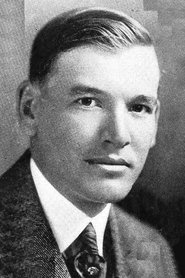
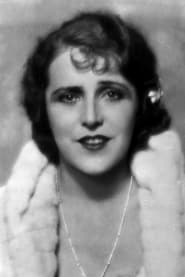
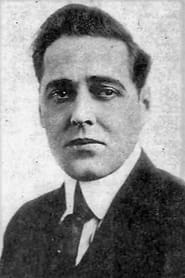
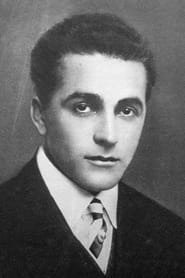
In this adventure serial episode-style feature, Ruth Roland plays a resourceful newspaperwoman whose investigation draws her into a dangerous mystery tied to an Inca legend. She learns that a remote tribe believes she is the reincarnation of their long-lost princess, a case of mistaken identity that places her at the center of court intrigue, ritual expectation, and competing schemes. As she is pursued by enemies and forced to navigate perilous situations, the heroine relies on courage, quick thinking, and the help of allies played by George Chesebro and George Larkin. The story mixes jungle-and-ruins adventure, romantic peril, and melodramatic suspense, culminating in the heroine confronting the forces that seek to exploit the tribal belief for their own ends.
About the Production
Hands Up is a surviving title associated with Ruth Roland's action-oriented screen persona and James W. Horne's work in silent-era adventure filmmaking. As with many 1918 productions, detailed studio paperwork is scarce or unavailable, so precise budget, box-office, and location data are not reliably documented in surviving sources. The film was made during the heyday of serialized and serial-adjacent cliffhanger adventure programming, when exhibitors valued fast-paced plots, perilous situations, and a vigorous star vehicle. Its premise reflects contemporary silent-era fascination with lost civilizations, exoticized settings, and bold heroines who could carry a narrative through physical danger and detective-style plotting.
Historical Background
Hands Up was released in 1918, near the end of World War I and during a period when American cinema was rapidly consolidating its dominance in global popular culture. Silent adventure films were extremely popular with audiences seeking escapism, and the industry was developing a reliable formula of action, melodrama, exotic locations, and serial suspense. The film's plot reflects the era's fascination with archaeology, ancient civilizations, and so-called lost worlds, themes that resonated with audiences eager for spectacle but are now often recognized as products of colonial-era storytelling assumptions. It also sits within a notable moment for women in early screen entertainment, when actresses like Ruth Roland could headline physically active, resourceful roles that combined glamour with agency.
Why This Film Matters
While Hands Up is not among the most famous surviving silent films, it is culturally significant as part of the body of work that defined Ruth Roland's stardom and helped establish the silent-action heroine archetype. Films like this contributed to the popularity of female-led adventure stories in early cinema, proving that audiences responded to women as drivers of danger, investigation, and rescue narratives. It also exemplifies early Hollywood's use of exoticized adventure settings, which influenced decades of later pulp, serial, and jungle-adventure storytelling. For modern historians, the film is valuable less for awards or prestige than for what it reveals about genre development, star construction, and the representation of women and non-Western cultures in silent-era entertainment.
Making Of
Very little detailed behind-the-scenes documentation has survived for Hands Up, which is common for lower-profile silent-era adventure productions. What can be said with confidence is that the film was mounted as a Ruth Roland vehicle, meaning the production would have been shaped around her established screen image as a brave, athletic heroine capable of handling danger scenes and serial-style suspense. James W. Horne's direction in this period typically emphasized brisk pacing and clear visual storytelling, traits that suited a plot involving a mistaken identity, tribal legend, and pursuit-driven adventure. Like many films of its era, it was likely produced efficiently under studio and distributor expectations for popular, quickly consumable entertainment rather than prestige filmmaking.
Visual Style
Specific cinematographic credits and detailed visual analyses are not widely documented for this title, but as a 1918 silent adventure film it would have relied on strong composition, clear staging, and expressive visual storytelling. Films of this sort typically used long and medium shots to present physical action, chase sequences, and the heroine's peril in a readable way for audiences watching without synchronized sound. The visual style likely emphasized contrast between modern investigative settings and the more exoticized spaces of the adventure plot, using intertitle-supported narrative clarity to maintain momentum. Any ruins, ritual scenes, or danger set pieces would have been framed to maximize suspense and the star's physical presence.
Innovations
No specific technical innovations are widely associated with Hands Up. Its significance lies more in competent silent-era genre craftsmanship than in a breakthrough technique. The film would have depended on the standard tools of the period: camera setups that clarified action, intertitles for key narrative information, and staging designed for maximum legibility and suspense. In that sense it represents the mature language of silent adventure cinema rather than a technological landmark.
Music
As a silent film, Hands Up did not have a synchronized recorded soundtrack. In original theatrical exhibition, it would have been accompanied by live music, typically a pianist, organist, or small orchestra depending on the venue. Cue sheets or tailored musical accompaniment may have been used by exhibitors, but no specific surviving score is widely documented for the film. Modern screenings of silent films of this type are usually accompanied by newly assembled or improvised music rather than an original surviving composition.
Memorable Scenes
- The premise-centered reveal in which the newspaperwoman is identified by the Inca tribe as the reincarnation of their lost princess, setting the entire adventure in motion.
- The heroine's repeated escapes from danger, which are emblematic of Ruth Roland's action-star persona in silent cinema.
- Scenes of pursuit and confrontation built around the tension between modern investigative identity and ancient tribal belief.
- The climactic confrontation in which the heroine must outwit those exploiting the superstition or legend for their own purposes.
Did You Know?
- Ruth Roland was one of the best-known serial queens of the silent era, and Hands Up fits squarely within the kind of adventurous, physically demanding roles that made her a star.
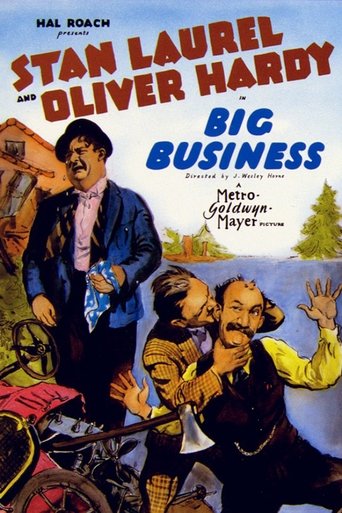
- James W. Horne later became widely known for his work in comedy, including collaborations with Laurel and Hardy, but in the 1910s he also directed action and adventure material like this film.
- The film's plot reflects the period's frequent use of lost-race and hidden-tribe story motifs, a popular but now culturally dated adventure formula in silent cinema.
- Because many silent-era films survive only in fragmentary records, some online databases preserve only minimal cast and plot data for Hands Up.
- The presence of George Chesebro and George Larkin links the film to the broader ecosystem of silent serial and action performers who frequently worked across adventure titles.
- The newspaperwoman protagonist places the film within a recurring early cinema trend of modern, professionally active women being thrust into perilous adventure narratives.
- The title Hands Up is distinctive and was used for a number of other productions over the decades, making exact identification important when researching the 1918 film.
- The film is associated with Pathé Exchange, a major distributor in the silent era that handled many popular entertainment releases.
- Its Inca-themed premise illustrates the period's fascination with archaeology, imperial adventure, and imagined South American mysteries.
- Silent adventure films like this often relied heavily on physical action, expressive staging, and intertitles rather than elaborate dialogue, making star charisma and visual storytelling central to their appeal.
What Critics Said
Contemporary critical responses are not well preserved in easily accessible form, so a detailed reception history is difficult to reconstruct. As a Ruth Roland adventure release, it was likely reviewed as an engaging popular entertainment piece rather than as an artistic landmark, with attention focused on pace, suspense, and Roland's appeal in action-heavy scenarios. Modern critical discussion tends to situate the film within the broader history of silent serials and adventure melodramas, noting its value as a representative example of the genre and as part of James W. Horne's pre-comedy directing career. Because the film is obscure and documentation is limited, it has not attracted extensive modern scholarly criticism beyond archival and historiographic interest.
What Audiences Thought
Audience reaction is not extensively documented, but films built around Ruth Roland and adventure premises were generally designed to attract consistent popular viewership through excitement and suspense. The combination of a resourceful newspaperwoman, tribal legend, and perilous action would have aligned well with tastes for fast-moving melodramatic entertainment in the late 1910s. Like many silent adventure titles, its success would have depended on regional exhibition, star recognition, and the appeal of its sensational premise. Surviving interest today comes mainly from film historians, silent-film enthusiasts, and database researchers rather than from a widely remembered popular legacy.
Film Connections
Influenced By
- Serial adventure films of the 1910s
- Lost-world and hidden-tribe fiction popular in pulp magazines and stage melodrama
- Ruth Roland's earlier serial and action roles
- Contemporary archaeological adventure stories
This Film Influenced
- Later silent serials featuring intrepid heroines
- Pulp-adventure and jungle-ruins films of the 1920s and 1930s
- Female-led cliffhanger adventures in early Hollywood
You Might Also Like
More Adventure Films
View allMore from James W. Horne
View allFilm Restoration
Preservation status is not clearly documented in widely available sources, and complete archival survival cannot be confidently verified here. If extant, the film appears to be obscure and not commonly available in major circulation. Many films of this vintage survive only in incomplete form, fragments, or reference records, so further archive-specific research would be needed to determine whether a complete print exists. For database purposes, it should be treated as uncertain/undocumented rather than confidently declared restored.