Films
7 films
About James W. Horne
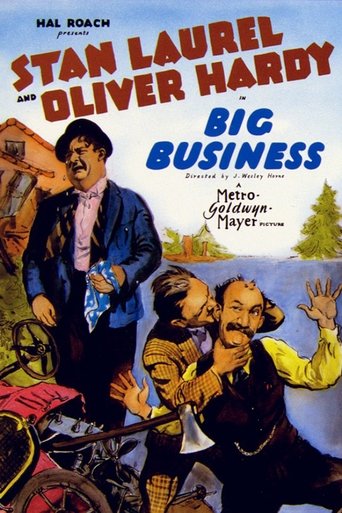
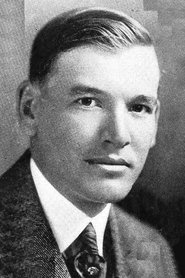
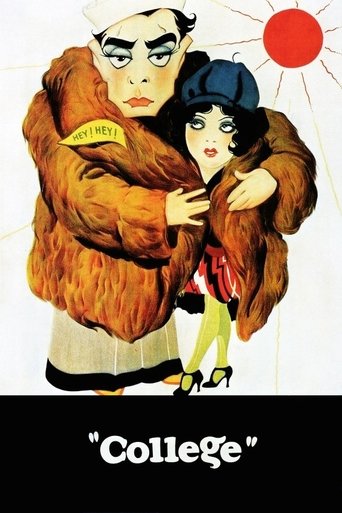
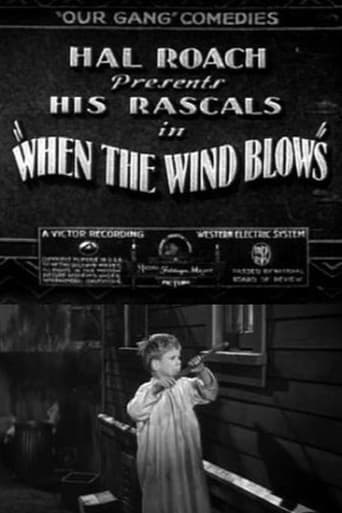
American film director: career bridged the silent era and the early sound period, and he is best remembered today for his work in comedy. He began directing in the late 1910s and built a reputation for handling fast-paced, gag-driven material with efficiency and a light touch. By the 1920s he was working extensively in short subjects and features, including the Laurel and Hardy comedy College (1927) and a run of late silent and early talkie comedies that demonstrated his skill with timing and visual economy. He continued into the early sound era with films such as Big Business (1929), Going Ga-Ga (1929), and When the Wind Blows (1930), helping to shape the transition from silent comic mechanics to dialogue-driven humor. Horne is also strongly associated with Hal Roach’s comedy unit and with the broader studio system that specialized in short-form and feature comedy. His films often emphasized brisk pacing, escalating absurdity, and physical comedy built around clear setups and payoffs. Though not as widely celebrated as some of his comic contemporaries, he remains an important craftsman in early Hollywood comedy history.
The Craft
Behind the Camera
Horne’s directing style was centered on brisk comic pacing, clear visual storytelling, and a strong sense of escalation. He was especially effective with slapstick and situation comedy, allowing gags to build naturally while keeping the rhythm tight enough for repeated punch lines. In silent films, he relied on precise staging and physical business; in early talkies, he adapted by integrating dialogue without losing the momentum of the action. His work tends to favor ensemble interplay, clean comic geography, and setups that let performers like Laurel and Hardy maximize their timing. Rather than drawing attention to directorial flourishes, Horne’s style usually served the material and the performers, which is typical of the best studio-era comedy directors.
Milestones
- Directed the Laurel and Hardy feature College (1927), one of the team’s early starring films
- Helmed notable late silent and early sound comedies during the transition to synchronized dialogue
- Worked within the Hal Roach comedy tradition, a major training ground for early Hollywood comic filmmaking
- Directed Big Business (1929), among the best-known Laurel and Hardy short comedies
- Contributed to the development of screen comedy timing as studios adapted from silent gags to sound-era humor
Best Known For
Must-See Films
Working Relationships
Worked Often With
Studios
Why They Matter
Impact on Culture
James W. Horne’s cultural impact lies primarily in the shaping of early screen comedy, especially the Laurel and Hardy style of humor that became foundational for later comic cinema. His films helped define how visual slapstick could be adjusted for the sound era without losing its essential rhythm, which was a major challenge for filmmakers in the late 1920s. By working within a studio environment focused on comedy shorts and features, he contributed to a body of work that influenced later television and film comedians who studied classic timing, escalation, and gag construction. Even when his name is less familiar to general audiences, the films he directed remain part of the essential canon of early Hollywood comedy. His work demonstrates how crucial directors were in shaping the structure and timing of comedy, not just the performers who appeared on screen.
Lasting Legacy
Horne’s legacy is that of a dependable and skilled comedy director whose craftsmanship helped preserve and refine the comic language of the silent and early sound eras. He is especially remembered by scholars and fans of Laurel and Hardy, whose screen persona benefited from directors who understood how to balance character-based humor with slapstick construction. His films remain useful examples for studying the transition from silent visual comedy to talkie-era timing, since they show how comedy could evolve without losing momentum. In broader film history, he represents the many studio-era directors whose names may not be as famous as their stars but whose work was essential to the success and durability of classic comedy. His contributions continue to be appreciated in retrospectives, restorations, and studies of early Hollywood humor.
Who They Inspired
Horne influenced the evolution of screen comedy through his clear, economical approach to visual gags and ensemble timing. His work with Laurel and Hardy helped establish patterns of comic escalation and character interplay that later comedians and directors would echo. Directors of theatrical shorts, television comedy, and cinematic slapstick have all drawn on the kind of disciplined pacing and gag choreography seen in his films. While he may not have founded a distinct school of filmmaking, he was part of the practical lineage that taught later comic filmmakers how to sustain laughs across an entire short or feature. His influence is most visible in the durability of the Laurel and Hardy comedies he helped shape.
Off Screen
Reliable biographical details about James W. Horne’s private life are scarce in widely accessible classic-cinema references, and much of the surviving record focuses on his professional work rather than his family life. He does not appear to have been a publicity-driven figure in the manner of top stars or celebrity directors, and surviving documentation is comparatively limited. As a result, information about marriages, children, and day-to-day personal life is not well established in standard film histories. He is chiefly remembered through his filmography and his association with studio comedy production rather than through personal anecdotes or memoir literature.
Did You Know?
- He is best remembered today for comedy directing rather than for dramatic work.
- His career included both silent and early sound films, making him part of a major transitional moment in Hollywood history.
- He directed College, one of the early Laurel and Hardy feature comedies.
- He also directed Big Business, a famous Laurel and Hardy short built around escalating destruction and comic frustration.
- His surviving reputation is tied closely to the Hal Roach comedy factory and its streamlined production style.
- Like many studio-era directors, he was a craftsperson whose name was less prominent than the stars he directed.
- His filmography shows a strong concentration in comedy at the end of the 1920s and start of the 1930s.
- He is an example of a classic-era filmmaker whose importance is best understood through film history rather than celebrity biography.
Frequently Asked Questions
Who was James W. Horne?
American on YTB.my. He is best known for directing comedy films, especially work associated with Laurel and Hardy and the Hal Roach studio system.
What films is James W. Horne best known for?
Titles linked here include College (1927), Big Business (1929).
When was James W. Horne born and when did he die?
Widely accessible classic-cinema references do not consistently provide verified birth and death details for James W. Horne. Because of that, his exact birth and death dates are listed as unavailable here rather than guessed.
What awards did James W. Horne win?
No major awards or nominations are widely documented for James W. Horne in standard film reference sources. His reputation rests more on his body of work and his contribution to early comedy filmmaking than on formal awards recognition.
What was James W. Horne's directing style?
His directing style emphasized brisk pacing, clear comic staging, and strong gag escalation. He was particularly effective at managing physical comedy in silent films and adapting that approach to the early sound era without losing momentum.
Why is James W. Horne important in film history?
He is important as one of the skilled comedy directors who helped shape the Laurel and Hardy screen style and the broader Hal Roach comedy tradition. His films are valuable examples of how Hollywood comedy moved from silent slapstick into the early sound era.