Thomas Jefferson
Actor
Born: September 18, 1856 in New York City, New York, USA Died: May 1, 1932 Active: 1918-1922
Films
5 films

About Thomas Jefferson
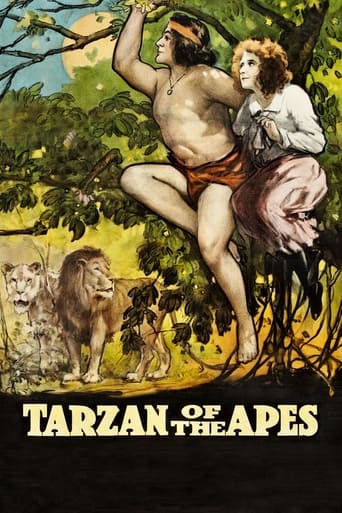
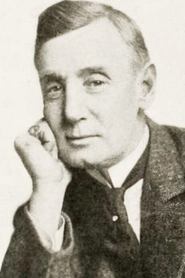
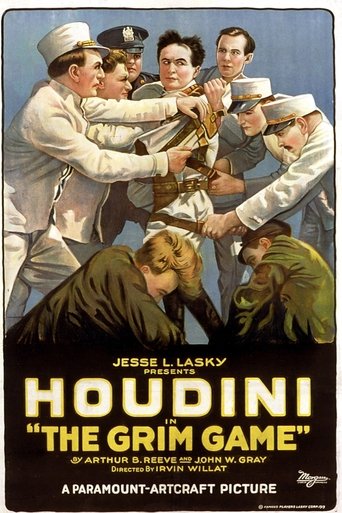
American character actor who worked during the silent film era, primarily in supporting roles from 1918 to 1922. He made his film debut in the adventure film 'Tarzan of the Apes' (1918), one of the earliest adaptations of Edgar Rice Burroughs' famous novel. Jefferson appeared alongside Harry Houdini in 'The Grim Game' (1919), a thriller that showcased Houdini's death-defying stunts. His career continued with roles in films like 'Beauty's Worth' (1922) starring Marion Davies, produced by William Randolph Hearst's Cosmopolitan Productions. Jefferson specialized in portraying authority figures, often cast as officials, military men, or gentlemen of society. His film career was relatively brief, spanning only four years during the transition period from short films to feature-length productions. After 1922, Jefferson seemingly retired from acting or moved to other pursuits, as no further film appearances have been documented. His work, while not widely remembered today, contributed to the foundation of American cinema during its formative years.
The Craft
On Screen
Character with credits in this catalog. His performances were marked by a dignified presence and the ability to convey authority through subtle physical movements rather than relying on exaggerated melodrama common in early cinema.
Milestones
- Appeared in the first Tarzan feature film (1918)
- Worked with Harry Houdini in The Grim Game (1919)
- Acted in Marion Davies productions
- Transitioned from stage to film during silent era
Best Known For
Iconic Roles
Must-See Films
Working Relationships
Worked Often With
Studios
Why They Matter
Impact on Culture
Thomas Jefferson, while not a major star, contributed to the early development of American cinema through his supporting roles in significant silent films. His appearance in 'Tarzan of the Apes' (1918) placed him in. The film itself was a box office success and demonstrated the commercial viability of feature-length adventure films, influencing countless subsequent productions. Jefferson's work with Harry Houdini in 'The Grim Game' contributed to the magic and escape genre, showcasing how real-life performers could be successfully translated to the screen. His participation in Marion Davies films connected him to the powerful Hearst production machine, which was instrumental in shaping Hollywood's studio system during the 1920s.
Lasting Legacy
Thomas Jefferson's legacy is primarily preserved through his contributions to landmark silent films that have survived as important examples of early American cinema. His work in 'Tarzan of the Apes' ensures his place in film history as part of the first major adaptation of one of literature's most enduring characters. While his individual performances may not be widely remembered today, the films he contributed to continue to be studied by film historians and appreciated by silent film enthusiasts. Jefferson represents the generation of stage actors who successfully transitioned to the new medium of motion pictures, helping to establish acting techniques and storytelling methods that would influence future generations of performers.
Who They Inspired
As a supporting actor during the formative years of American cinema, Thomas Jefferson contributed to the development of character acting in film. His mature, dignified presence helped establish archetypes of authority figures that would become staples in Hollywood productions. While he did not directly mentor future stars, his work in successful productions demonstrated the importance of strong supporting performances in ensemble casts, a lesson that would influence casting and production practices in subsequent decades.
Off Screen
Thomas Jefferson was born in New York City in 1856, making him a mature actor when he entered the film industry in his early 60s. He came from a theatrical background and likely had extensive stage experience before transitioning to motion pictures. Jefferson lived through the transformative period of American entertainment, from vaudeville and theater to the birth of cinema. He spent his later years in Los Angeles, California, where many silent film actors settled. Jefferson passed away on May 1, 1932, at the age of 75, just as the transition to sound films was completing and many silent era actors were struggling to adapt.
Did You Know?
- Thomas Jefferson began his film career at age 62, unusually old for a debut actor even in the silent era
- He appeared in the first feature-length Tarzan film, which was a massive commercial success
- The Grim Game (1919) featured real death-defying stunts by Harry Houdini, including an unplanned plane collision that was kept in the film
- Jefferson worked with three of the biggest stars of the silent era: Elmo Lincoln, Harry Houdini, and Marion Davies
- His active years covered only four years but included work with major production companies
- He was born during the presidency of Franklin Pierce and died during Herbert Hoover's administration
- Jefferson's real name was the same as the third U.S. President, though no relation has been established
- Beauty's Worth (1922) was produced by William Randolph Hearst for his mistress Marion Davies
- Tarzan of the Apes (1918) was filmed in Louisiana, one of the first major productions to shoot on location
- Jefferson's film career ended just as the studio system was solidifying in Hollywood
Frequently Asked Questions
Who was Thomas Jefferson?
American character with credits in this catalog. He began his film career unusually late at age 62, bringing stage experience to his screen performances.
What films is Thomas Jefferson best known for?
Titles linked here include Tarzan of the Apes (1918), The Grim Game (1919).
When was Thomas Jefferson born and when did he die?
Born September 18, 1856; died May 1, 1932.
What awards did Thomas Jefferson win?
There are no records of Thomas Jefferson receiving major film awards or nominations during his career. The Academy Awards were not established until 1929, after his film career had ended, and he worked primarily in supporting roles during the silent era when formal recognition for character actors was rare.
What was Thomas Jefferson's acting style?
Jefferson — stage-trained actor who brought theatrical gravitas to his silent film roles, specializing in portraying authority figures and gentlemen. His acting style emphasized dignified presence and expressive gestures rather than the exaggerated melodrama sometimes associated with early cinema, reflecting his mature theatrical background.