Luiz de Barros
Director
Born: September 12, 1893 in Rio de Janeiro, Brazil Died: 1981 Active: 1915-1975
Films
1 film
About Luiz de Barros
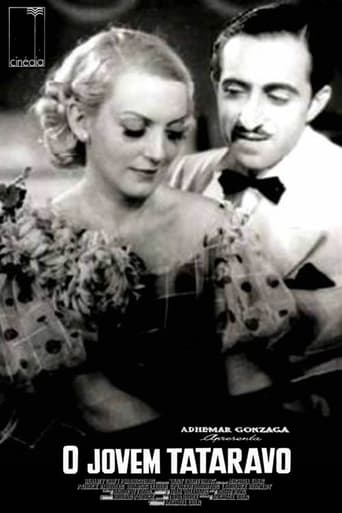
Luiz de Barros was born in 1893 in Rio de Janeiro, Brazil, and became prolific and important figures in early Brazilian cinema. He began his career in the 1910s during the silent film era and continued working well into the sound era, directing over 60 films throughout his career. His 1936 film 'The Young Great-Great-Grandfather' (O Jovem Bisavô) was one of his early sound films and demonstrated his ability to adapt to new cinematic technologies. Barros was not only a director but also worked as a producer, screenwriter, and occasionally as an actor, making him a true renaissance man of Brazilian cinema. He was particularly known for his comedies and popular entertainment films that appealed to Brazilian audiences. Throughout his long career, he witnessed and participated in the evolution of Brazilian cinema from its infancy to a more mature industry. He continued making films until the 1970s, cementing his legacy as one of Brazil's most important early filmmakers.
The Craft
Behind the Camera
Luiz de Barros was known for his practical, commercial approach to filmmaking, focusing on entertainment value and audience appeal. His directing style emphasized clear storytelling, visual comedy, and accessible narratives that resonated with Brazilian popular culture. He demonstrated particular skill in comedy, using timing and visual gags effectively. His work in the transition from silent to sound films showed adaptability to new technologies while maintaining his entertainment-focused approach.
Milestones
- Directed first films in Brazilian silent era
- Successfully transitioned to sound films in 1930s
- Directed over 60 films in 60-year career
- Pioneered Brazilian comedy genre
- Worked with major Brazilian studios
- Mentored younger Brazilian filmmakers
Best Known For
Must-See Films
Accolades
Won
- Brazilian Film Festival Award for Career Achievement (1970)
Nominated
- Brazilian Cinema Award for Best Director (1949)
- São Paulo Film Festival Best Film (1959)
Special Recognition
- Pioneer of Brazilian Cinema recognition
- Rio de Janeiro Film Festival retrospective (1975)
- Brazilian Film Academy lifetime achievement award
Working Relationships
Worked Often With
Studios
Why They Matter
Impact on Culture
Luiz de Barros played a crucial role in establishing the foundation of Brazil's commercial film industry. His work helped define Brazilian popular cinema, particularly the comedy genre that would become a staple of Brazilian filmmaking. By consistently producing films that appealed to domestic audiences, he contributed to the development of a distinctly Brazilian cinematic identity separate from Hollywood influences. His longevity in the industry made him a bridge between different eras of Brazilian cinema, from silent films through the golden age of Brazilian studio productions.
Lasting Legacy
Luiz de Barros is remembered as one of the pioneers and most prolific directors in Brazilian cinema history. His extensive filmography provides a valuable record of Brazilian cultural life and entertainment preferences across several decades. He demonstrated remarkable adaptability, surviving and thriving through multiple technological and political changes in Brazil. His focus on popular entertainment helped establish commercial cinema as a viable industry in Brazil, paving the way for future generations of Brazilian filmmakers. Today, film historians study his work to understand the evolution of Brazilian cinema and popular culture.
Who They Inspired
Barros influenced Brazilian cinema primarily through his example of commercial viability and longevity. His success in creating popular entertainment showed that Brazilian filmmakers could build sustainable careers making films for domestic audiences. He influenced subsequent generations of Brazilian directors working in comedy and popular genres. His ability to adapt to changing technologies and political climates provided a model for survival in the challenging Brazilian film industry. Many of the actors he worked with, particularly Oscarito and Grande Otelo, became icons of Brazilian cinema, carrying forward the comedic style he helped develop.
Off Screen
Luiz de Barros was married to Carmen Santos, who was also involved in the Brazilian film industry as an actress and producer. Their partnership was both personal and professional, with Carmen appearing in several of his films. Barros was known as a family man who maintained a relatively private personal life despite his public career in cinema. He lived through significant periods of Brazilian history, including the Vargas era and military dictatorship, which influenced his filmmaking choices.
Education
Limited information available about formal education; likely self-taught in filmmaking through practical experience in early Brazilian cinema
Family
- Carmen Santos (1920s-1950s)
Did You Know?
- Directed films in both silent and sound eras, spanning over 60 years
- Was one of the first Brazilian directors to successfully transition to sound films
- His 1936 film 'The Young Great-Great-Grandfather' was an early Brazilian comedy that helped establish the genre
- Worked with some of Brazil's most famous comedy actors including Oscarito and Grande Otelo
- Survived multiple political regimes in Brazil while continuing to make films
- His wife Carmen Santos was one of Brazil's first female film producers
- Directed Brazil's first sound comedy films in the 1930s
- His films often featured Brazilian cultural elements and local humor
- Was considered a master of commercial cinema rather than art house films
- Continued directing films well into his 70s
- His active years covered from the dawn of Brazilian cinema through its golden age
In Their Own Words
Making films in Brazil has always been a challenge, but our audiences deserve their own stories on screen
Comedy is universal, but the best comedy comes from understanding your own people
I've seen cinema change from silent spectacles to talking pictures, but one thing remains: the audience wants to be entertained
Frequently Asked Questions
Who was Luiz de Barros?
Brazilian on YTB.my. He was.
What films is Luiz de Barros best known for?
Titles linked here include The Young Great-Great-Grandfather (1936), O Jogo da Vida (1938).
When was Luiz de Barros born and when did he die?
Born September 12, 1893; died 1981.
What awards did Luiz de Barros win?
He received several honors including the Brazilian Film Festival Award for Career Achievement in 1970 and recognition as a Pioneer of Brazilian Cinema. He was also honored with retrospectives at major Brazilian film festivals celebrating his contributions to national cinema.
What was Luiz de Barros's directing style?
Barros had a commercial, entertainment-focused directing style that emphasized clear storytelling, visual comedy, and accessibility for Brazilian audiences. He was particularly skilled at comedy and adapted well to technological changes from silent to sound films, always maintaining his focus on popular appeal.