
Erkki Karu
Director
Born: April 10, 1887 in Helsinki, Grand Duchy of Finland, Russian Empire Died: December 8, 1935 Active: 1919-1935 Birth Name: Erkki Karu (birth name remained the same)
Films
3 films
About Erkki Karu
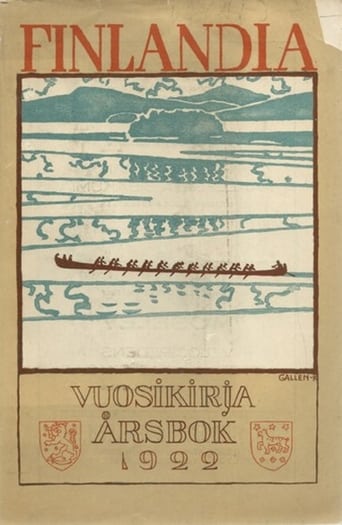
Helped establish the nation's film industry during the silent era. Born in 1887, Karu began his career as a journalist and theater critic before transitioning to filmmaking in the early 1920s. He co-founded Suomi-Filmi in 1919, which would become one of Finland's most important film production companies. Karu directed numerous significant silent films including 'Finlandia' (1922) and 'The Village Shoemakers' (1923), which showcased his ability to capture Finnish national identity and rural life. His work was instrumental in developing a distinctly Finnish cinematic language that drew from the country's literature, folklore, and landscapes. Karu continued directing through the transition to sound films, though his career was cut short by his untimely death in 1935 at the age of 48. He left behind a legacy as one of the founding fathers of Finnish cinema, having directed over 20 films and mentored numerous filmmakers who would follow in his footsteps.
The Craft
Behind the Camera
Karu's directing style emphasized national romanticism and realistic depictions of Finnish rural life. He often adapted classic Finnish literature, particularly the works of Aleksis Kivi and Johannes Linnankoski. His visual approach incorporated sweeping landscapes of Finland's countryside, creating a strong sense of place and national identity. Karu was known for his careful attention to historical detail and his ability to blend dramatic storytelling with authentic Finnish cultural elements.
Milestones
- Co-founded Suomi-Filmi in 1919
- Directed 'Finlandia' (1922)
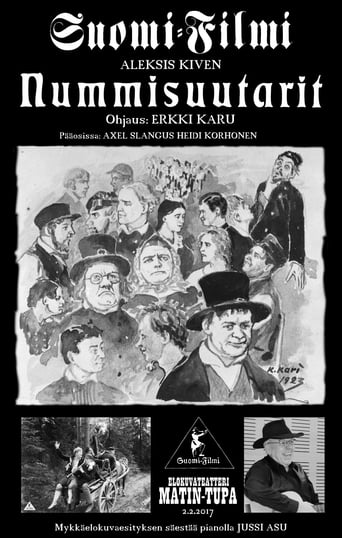
- Directed 'The Village Shoemakers' (1923)
- Pioneered Finnish national cinema
- Mentored future Finnish directors
- Directed Finland's first major sound films
Best Known For
Must-See Films
Accolades
Special Recognition
- Considered one of the founding fathers of Finnish cinema
- Streets named after him in Finnish cities
- Posthumous recognition in Finnish film history
Working Relationships
Worked Often With
Studios
Why They Matter
Impact on Culture
Erkki Karu fundamentally shaped Finnish cultural identity through cinema during the nation's formative years as an independent country. His films helped establish a visual language for Finnish national identity, drawing from the country's literature, folklore, and natural landscapes. Karu's work coincided with Finland's cultural awakening following independence from Russia in 1917, and his films became important tools for nation-building and cultural self-definition. His adaptation of classic Finnish literature helped preserve and popularize these works for new generations.
Lasting Legacy
Erkki Karu's legacy as the father of Finnish cinema endures through the continued operation of Suomi-Filmi and the influence his films had on subsequent generations of Finnish filmmakers. His establishment of a professional film studio model created the foundation for Finland's commercial film industry. Karu's emphasis on Finnish stories and themes established a tradition of national cinema that continues to influence Finnish filmmaking today. Many of his films, particularly 'The Village Shoemakers,' are considered classics of Finnish cinema and are still studied and referenced by contemporary Finnish directors.
Who They Inspired
Karu influenced Finnish cinema by establishing the template for adapting Finnish literature to film, creating visual representations of Finnish national identity, and demonstrating that commercial Finnish films could be successful. His work inspired later directors like Valentin Vaala and Edvin Laine to continue developing a distinctly Finnish cinematic tradition. Karu's emphasis on quality production values and professional filmmaking practices raised the standards for the entire Finnish film industry.
Off Screen
Erkki Karu was married to Aili Karu (née Hällström), who was also involved in the film industry. The couple had two children together. Karu was known as a demanding but respected figure in the Finnish film community, though his intense work ethic and perfectionism sometimes led to conflicts with actors and crew. His personal life was marked by his dedication to developing Finnish cinema, often working long hours and sacrificing personal time for his projects.
Education
Educated in Helsinki, likely attended local schools; no formal film education as film schools did not exist in Finland during his formative years
Family
- Aili Karu (née Hällström) (married until his death in 1935)
Did You Know?
- Co-founded Suomi-Filmi, which remains one of Finland's major film companies
- Directed Finland's first feature-length film 'The Song of the Scarlet Flower' (1919)
- His film 'The Village Shoemakers' was based on a classic Finnish novel by Aleksis Kivi
- Karu was also a prolific screenwriter, writing many of the films he directed
- He died relatively young at 48, cutting short a highly influential career
- Karu worked as a journalist before entering the film industry
- He was instrumental in the transition from silent to sound films in Finland
- Many of his films have been preserved by the Finnish National Audiovisual Archive
- Karu's films were among the first to achieve international recognition for Finnish cinema
- He directed both comedies and serious dramas, showing versatility as a filmmaker
In Their Own Words
Cinema must serve the Finnish people and tell our stories
We have enough beauty in our own land and literature without copying foreign models
A film is not just entertainment, it is the soul of a nation projected on screen
The camera must capture not just what is seen, but what is felt in the Finnish heart
Frequently Asked Questions
Who was Erkki Karu?
Finnish on YTB.my. He is considered one of the founding fathers of Finnish cinema, directing numerous important films between 1919 and 1935.
What films is Erkki Karu best known for?
Titles linked here include Finlandia (1922), The Village Shoemakers (1923).
When was Erkki Karu born and when did he die?
Born April 10, 1887; died December 8, 1935.
What awards did Erkki Karu win?
During his lifetime, formal film awards were not established in Finland, so Karu did not receive specific awards. However, he has received posthumous recognition as.
What was Erkki Karu's directing style?
Karu's directing style emphasized Finnish national romanticism, realistic depictions of rural life, and adaptations of classic Finnish literature. He incorporated sweeping landscapes and authentic cultural elements to create a distinctly Finnish cinematic language that helped shape national identity.