Films
2 films
About Aku Käyhkö
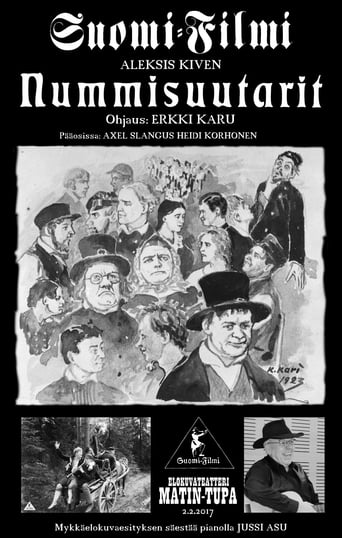
The 1923 film The Village Shoemakers is the only title linked here for Aku Käyhkö. His known filmography consists of a single appearance in the 1923 film 'The Village Shoemakers,' which was likely a Finnish production focusing on rural life and traditional crafts. As with many actors from this period of Finnish cinema, detailed records of his life and career are scarce, reflecting the limited documentation of early Nordic film productions. His brief appearance in this silent drama places him among the generation of Finnish film actors who helped establish the country's nascent film industry during the 1920s. The fact that his career appears to have been limited to 1923 suggests he may have been a non-professional actor or someone who briefly participated in filmmaking without pursuing it as a long-term career. Unfortunately, like many peripheral figures from early Finnish cinema, his contributions remain largely undocumented in film history archives.
The Craft
Milestones
- Appeared in 'The Village Shoemakers' (1923)
Best Known For
Iconic Roles
Must-See Films
Why They Matter
Impact on Culture
Aku Käyhkö's cultural impact is minimal due to his extremely brief film career and the limited documentation of his work. As an actor in early Finnish cinema, he represents the countless local participants who helped bring authentic rural stories to the screen during the formative years of Finnish filmmaking. His appearance in 'The Village Shoemakers' contributes to the historical record of Finnish silent cinema, though his individual contribution remains largely unrecognized in film scholarship.
Lasting Legacy
The legacy of Aku Käyhkö is primarily that of an obscure participant in Finland's early film history. While his name may not be remembered in film histories, his contribution to 'The Village Shoemakers' (1923) makes him part of the foundation upon which Finnish cinema was built. His story exemplifies how many early film actors, particularly in smaller national cinemas, have faded from historical memory despite their role in developing cinematic art in their countries.
Who They Inspired
Due to the brevity of his known film career and the lack of documentation about his work, Aku Käyhkö's influence on subsequent Finnish actors or filmmakers cannot be determined. He represents the many anonymous contributors to early cinema whose individual impact has been lost to time, despite their collective importance in establishing national film traditions.
Off Screen
Very little information is available about Aku Käyhkö's personal life, which is typical for peripheral actors from the silent film era in Finland. His brief appearance in a single 1923 film suggests he may have been a local resident or craftsman rather than a professional actor, possibly cast for authenticity in a film about village life.
Did You Know?
- Aku Käyhkö appeared in only one known film during his entire career
- His film career was limited to the single year of 1923
- He was part of the early generation of Finnish silent film actors
- The film he appeared in, 'The Village Shoemakers,' focused on traditional Finnish rural life
- Like many early Finnish film actors, detailed records of his life and career have been lost to time
- His brief career coincided with the early development of Finland's national film industry
Frequently Asked Questions
Who was Aku Käyhkö?
Screen credits include only one known film, 'The Village Shoemakers' in 1923. His career was extremely brief, limited to that single year, making him one of the many obscure figures from early Finnish cinema.
What films is Aku Käyhkö best known for?
Titles linked here include The Village Shoemakers (1923).
When was Aku Käyhkö born and when did he die?
Unfortunately, no reliable records of Aku Käyhkö's birth and death dates are available, which is common for peripheral actors from early Finnish cinema. Such detailed biographical information was often not preserved for non-leading performers of the silent era.
What awards did Aku Käyhkö win?
There are no records of Aku Käyhkö receiving any awards or nominations for his film work. During the early 1920s, Finnish cinema was still developing, and formal award systems for film achievements were not yet established in Finland.
What was Aku Käyhkö's acting style?
Due to the lack of surviving footage and documentation of his performance, Aku Käyhkö's acting style cannot be determined. Like many actors from this period of Finnish silent cinema, his work has been lost to time, leaving no record of his artistic approach.