Films
1 film
About Protima Dasgupta
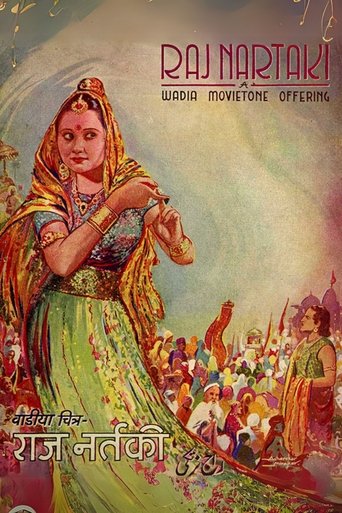
Protima Dasgupta appeared in early 1940s during the formative years of Indian cinema. Her career, though brief, coincided with a significant period in Indian film history when the industry was transitioning from its early experimental phase to more sophisticated productions. She is known primarily for her role in 'The Court Dancer: Raj Nartaki' (1941), a film that represented the artistic aspirations of Indian cinema during the British colonial era. The film was notable for its classical Indian themes and artistic presentation, reflecting the cultural renaissance movement of the time. Dasgupta's involvement in this production suggests she was likely selected for her classical dance abilities or traditional beauty, which were prized qualities in films of this period. Unfortunately, detailed records about her life and career are scarce, which was common for many actors of early Indian cinema whose contributions were not thoroughly documented. Her single known film appearance places her among the many talented artists who participated in cinema's early development in India but whose full stories remain largely unknown to modern audiences.
The Craft
Milestones
- Debut and only known film appearance in 'The Court Dancer: Raj Nartaki' (1941)
Best Known For
Iconic Roles
Must-See Films
Why They Matter
Impact on Culture
Protima Dasgupta represents the many talented artists who contributed to early Indian cinema during its crucial developmental years in the 1940s. Her participation in 'The Court Dancer: Raj Nartaki' places her within the context of India's cultural cinema movement, which sought to preserve and showcase traditional Indian arts through the medium of film. This period was significant for Indian cinema as it established indigenous storytelling traditions and aesthetic values that would influence generations of filmmakers. While her individual contribution may seem limited to a single film, she was part of a collective effort to create a distinct Indian cinematic identity separate from Western influences. The film itself was notable for its classical themes and artistic presentation, contributing to the cultural renaissance that was sweeping India during the final decades of British rule. Artists like Dasgupta helped lay the groundwork for the rich tradition of Indian cinema that would flourish in subsequent decades.
Lasting Legacy
Protima Dasgupta's legacy is primarily preserved through her appearance in 'The Court Dancer: Raj Nartaki' (1941), a film that represents an important milestone in early Indian cinema. While her career was brief, she stands as a representative of the many talented performers who participated in cinema's formative years in India. Her contribution, though not extensively documented, is part of the broader tapestry of Indian film history that deserves recognition. The film itself serves as a historical artifact, showcasing the artistic aspirations and cultural values of Indian cinema during the colonial era. Dasgupta's story highlights the challenges of preserving the complete history of early cinema, where many talented individuals' contributions remain partially known or completely lost to time. Her legacy reminds film historians of the importance of documenting and remembering all contributors to cinema's development, not just the most famous stars.
Who They Inspired
Due to the limited documentation of Protima Dasgupta's career and the brevity of her film appearances, specific information about her influence on other actors or filmmakers is not available. However, as a participant in early Indian cinema, she was part of a generation that helped establish the foundations for the Indian film industry. The artistic choices and performances of actors from this period collectively influenced the development of Indian cinematic traditions, including acting styles, costume design, and the portrayal of classical themes. While individual influence cannot be traced, the cumulative impact of artists like Dasgupta helped shape the distinctive character of Indian cinema that would emerge more fully in subsequent decades.
Off Screen
Very limited information is available about Protima Dasgupta's personal life, which was common for many actors in early Indian cinema whose biographical details were not extensively documented or preserved.
Did You Know?
- Protima Dasgupta's entire known film career consists of just one film in 1941
- 'The Court Dancer: Raj Nartaki' was produced during the final years of British rule in India
- The film was part of a movement to showcase classical Indian arts and culture through cinema
- Early Indian cinema actors like Dasgupta often came from classical dance or theater backgrounds
- Very limited biographical information exists about many actors from early Indian cinema
- The 1940s was a crucial decade for establishing India's indigenous film industry
- Many films from this era have been lost or are in poor condition, making research difficult
Frequently Asked Questions
Who was Protima Dasgupta?
Indian actress from the early 1940s known primarily for her appearance in the film 'The Court Dancer: Raj Nartaki' (1941). Her career appears to have been brief, with this being her only documented film role, which was typical for many actors in early Indian cinema.
What films is Protima Dasgupta best known for?
Titles linked here include The Court Dancer: Raj Nartaki (1941).
When was Protima Dasgupta born and when did she die?
Specific birth and death dates for Protima Dasgupta are not available in documented sources, which is common for many actors from early Indian cinema whose biographical details were not thoroughly preserved.
What awards did Protima Dasgupta win?
There are no documented awards or nominations for Protima Dasgupta, which was typical for many actors in early Indian cinema when formal award systems were not yet established in the Indian film industry.
What was Protima Dasgupta's acting style?
Specific details about Protima Dasgupta's acting style are not documented, but actors in films like 'The Court Dancer: Raj Nartaki' typically employed classical Indian performance traditions, incorporating elements of classical dance and theatrical techniques common to the period.