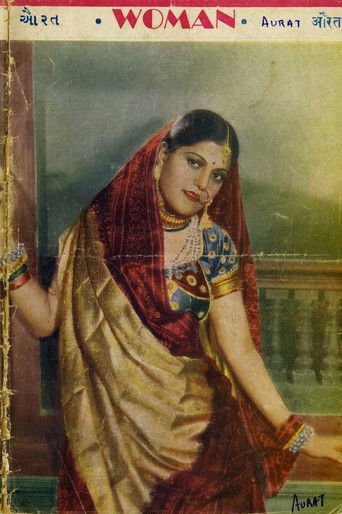

Sardar Akhtar
Actor
Born: 1915 in Lahore, Punjab, British India (now Pakistan) Died: 1984 Active: 1939-1940
Films
2 films

About Sardar Akhtar
Prominent Indian actress who worked in Hindi cinema during the late 1930s and early 1940s, emerging as one of the notable performers of early Indian talkies. Discovered and mentored by filmmaker Mehboob Khan, she quickly rose to prominence and became his frequent collaborator, eventually marrying him in 1942. Her career, though relatively brief, was significant as she appeared in some of the most socially relevant films of the era that addressed women's issues and rural Indian life. She was particularly known for her powerful performances in Mehboob Khan's productions, where she often portrayed strong, resilient female characters that challenged traditional gender roles. After her marriage to Mehboob Khan, she gradually reduced her on-screen appearances to focus on family life, though she remained connected to the film industry through her husband's work. Her most memorable performances came in films like 'Aurat' (1940), which was later remade as the 'Mother India' (1957), establishing her as a serious dramatic actress capable of conveying complex emotions. Despite her limited filmography, Sardar Akhtar on early Indian cinema as one of the actresses who helped shape the narrative style of Hindi films.
The Craft
On Screen
Sardar Akhtar was known for her naturalistic and emotionally resonant acting style, which was quite progressive for her time. She brought a sense of authenticity and depth to her characters, particularly in rural roles where she convincingly portrayed the struggles and resilience of Indian women. Her performances were marked by subtle facial expressions and a restrained yet powerful delivery that connected with audiences. She had a unique ability to convey complex emotions through minimal gestures, making her particularly effective in dramatic scenes that required emotional intensity.
Milestones
- Breakthrough role in 'Pukar' (1939)
- Critically acclaimed performance in 'Aurat' (1940)
- Marriage to director Mehboob Khan (1942)
- actress in early Hindi social dramas
- Known for portraying strong female characters in rural settings
Best Known For
Iconic Roles
Must-See Films
Accolades
Special Recognition
- Remembered as one of the actresses of early Hindi cinema
- Recognized for her contributions to Mehboob Khan's early films
Working Relationships
Worked Often With
Studios
Why They Matter
Impact on Culture
Sardar Akhtar contributed significantly to the evolution of Hindi cinema during its formative years, particularly in the genre of social dramas that addressed rural Indian life and women's issues. Her portrayal of strong female characters in films like 'Aurat' helped establish a template for the empowered Indian woman on screen, challenging traditional stereotypes. Her work with Mehboob Khan was instrumental in creating films that combined entertainment with social commentary, a trend that would become a hallmark of meaningful Hindi cinema. Through her performances, she helped legitimize the actress's role beyond mere glamour, establishing the female lead as a vehicle for serious dramatic expression.
Lasting Legacy
Sardar Akhtar's legacy lies in her contributions to early Hindi cinema, particularly through her work in socially relevant films that addressed women's issues. Her most significant contribution was her role in 'Aurat' (1940), which laid the groundwork for what would become one of Indian cinema's most iconic films, 'Mother India' (1957). Though her career was brief, her performances demonstrated the potential for serious dramatic acting in Indian cinema at a time when the industry was still developing its artistic language. As Mehboob Khan's wife and muse, she influenced the creative direction of one of Indian cinema's most important filmmakers, indirectly shaping the course of Bollywood's Golden Age.
Who They Inspired
Sardar Akhtar influenced subsequent generations of actresses by demonstrating that female characters in Indian cinema could be complex, strong, and central to narratives. Her naturalistic acting style paved the way for more realistic performances in Hindi films, moving away from the theatrical traditions of early cinema. Through her collaboration with Mehboob Khan, she helped establish a template for the director-muse relationship that would become common in Indian cinema. Her work in social dramas influenced the trend of meaningful cinema that balanced entertainment with social messages, a tradition that continues in Indian filmmaking today.
Off Screen
Sardar Akhtar married renowned filmmaker Mehboob Khan in 1942, becoming his second wife. Their marriage was significant in Indian cinema circles as it united two talented individuals who would influence the direction of Hindi films. After marriage, she largely retired from acting to focus on her family life, though she remained supportive of her husband's filmmaking career. She was stepmother to Mehboob Khan's son from his first marriage and the couple had their own children. Her personal life was relatively private, and she maintained a dignified presence in the film industry even after her acting career ended.
Education
Limited information available about her formal education, which was typical for actresses of her era from traditional backgrounds
Family
- Mehboob Khan (1942-1964, until his death)
Did You Know?
- Her real name was Bibi, but she adopted 'Sardar Akhtar' as her screen name
- She was discovered by Mehboob Khan when he was looking for new talent for his films
- 'Aurat' (1940) was her most significant film, which was later remade by her husband as 'Mother India' (1957) starring Nargis
- She was one of the few actresses of her time who successfully transitioned from being a discovery to becoming a filmmaker's wife
- Her acting career lasted only about 2-3 years before she married and retired from films
- She was part of the early wave of Muslim actresses who found success in Hindi cinema before partition
- Her performances were noted for their emotional depth and naturalistic style, which was ahead of its time
- Despite her brief career, she worked with some of the biggest names of early Hindi cinema
- She maintained a low profile after marriage and rarely gave interviews or public appearances
- Her stepson Sajid Khan also became an actor in Hindi films
In Their Own Words
Though specific quotes from Sardar Akhtar are not widely documented in historical records, contemporaries noted her dedication to her craft and her belief that cinema should reflect social realities.
She was known to have said that working with Mehboob Khan was like attending a film school, as he taught her the nuances of acting and screen presence.
Frequently Asked Questions
Who was Sardar Akhtar?
Indian actress who worked in Hindi cinema during the late 1930s and early 1940s. She was discovered by filmmaker Mehboob Khan and later married him, becoming his muse and frequent collaborator in socially relevant films that addressed women's issues and rural Indian life.
When was Sardar Akhtar born and when did she die?
Born 1915; died 1984.
What awards did Sardar Akhtar win?
There are no documented formal awards or nominations for Sardar Akhtar, as the award system in Indian cinema was not well-established during her brief career in the late 1930s and early 1940s. Her recognition comes primarily from her significant contributions to early Hindi cinema and her influential performances.
What was Sardar Akhtar's acting style?
Sardar Akhtar was known for her naturalistic and emotionally resonant acting style, which was progressive for her time. She brought authenticity to her roles, particularly in portraying rural Indian women, using subtle expressions and restrained yet powerful delivery that connected with audiences and helped establish a new standard for dramatic acting in Hindi cinema.
How was Sardar Akhtar connected to Mehboob Khan?
Sardar Akhtar was discovered by Mehboob Khan, who cast her in his films and mentored her career. They married in 1942, making her his second wife. This professional and personal partnership significantly influenced both their careers, with her inspiring some of his most socially conscious films about Indian women.
Why did Sardar Akhtar's career end so early?
Sardar Akhtar's acting career was brief, lasting only from 1939 to 1940, because she married Mehboob Khan in 1942 and chose to retire from films to focus on family life. This was common practice for actresses of her generation, particularly after marriage to prominent figures in the film industry.