
Films
3 films

About Sadiq Ali
Indian actor who worked prominently during the late 1930s and early 1940s, a crucial period in the development of Indian cinema's sound era. He gained recognition for his performances in several significant historical and dramatic films produced by Minerva Movietone, one of the leading studios of that era. His collaboration with renowned director Sohrab Modi proved particularly fruitful, resulting in some of the most memorable films of early Indian cinema. Ali appeared in supporting and character roles that showcased his versatility and ability to portray complex historical figures. His career, though relatively brief, spanned from 1938 to 1941, during which he contributed to three major productions that have since become classics of Indian cinema. His performances in these films demonstrated the theatrical style that was characteristic of early Indian talkies, influenced by both traditional Indian performing arts and Western cinema techniques. While detailed records of his later career are scarce, his contributions to these landmark films have secured his place in the annals of Indian film history.
The Craft
On Screen
Sadiq Ali's acting style was characteristic of early Indian cinema's theatrical approach, combining dramatic flourishes with emotive expressions suited for the historical and mythological roles popular during that era. His performances reflected the influence of traditional Indian theater, particularly Parsi theater, which was a major source of early Indian film talent. He employed exaggerated gestures and vocal modulation techniques that were necessary for the limited technical capabilities of early sound recording equipment. His ability to convey complex emotions through facial expressions and body language made him particularly effective in supporting roles that required depth and gravitas.
Milestones
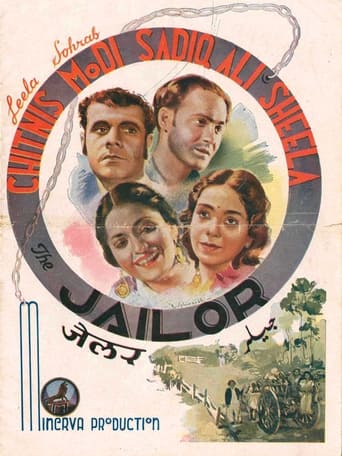
- Breakthrough role in Jailor (1938)
- Notable performance in Pukar (1939) directed by Sohrab Modi
- Significant role in the epic historical film Sikandar (1941)
- Collaboration with Minerva Movietone studio
- Work with director Sohrab Modi
Best Known For
Iconic Roles
Must-See Films
Working Relationships
Worked Often With
Studios
Why They Matter
Impact on Culture
Sadiq Ali contributed to the golden age of early Indian cinema through his performances in films that helped establish the historical epic as a significant genre in Indian filmmaking. His work in films like Sikandar and Pukar, which dealt with themes of nationalism, valor, and Indian history, contributed to the cultural discourse during the pre-independence era. These films played a role in shaping Indian popular culture and cinematic storytelling traditions. His performances, while in supporting roles, helped create the ensemble casts that made these historical epics memorable and influential. The films he participated in continue to be studied as important examples of early Indian cinematic art and their role in the country's cultural and political awakening.
Lasting Legacy
Sadiq Ali's legacy is preserved through his contributions to three significant films that have endured as classics of early Indian cinema. His work represents the craftsmanship of character actors who provided the essential foundation upon which lead performers could build their memorable performances. The films he appeared in, particularly those directed by Sohrab Modi, are frequently referenced in film studies and retrospectives of Indian cinema's formative years. While he may not be as widely remembered as the lead actors of his era, his performances in these landmark productions ensure his place in the historical record of Indian cinema. His work serves as an example of the ensemble approach to filmmaking that characterized some of the most successful productions of early Indian cinema.
Who They Inspired
As a supporting actor during a formative period in Indian cinema, Sadiq Ali's influence would have been primarily through the example he set for subsequent generations of character actors. His ability to effectively support lead actors in major productions demonstrated the importance of strong ensemble casting in historical epics. The success of films he appeared in helped establish templates for historical filmmaking in India that would influence directors and actors for decades. His work with directors like Sohrab Modi contributed to the development of acting techniques that would evolve as Indian cinema matured through the 1940s and 1950s.
Off Screen
Very limited information is available about Sadiq Ali's personal life, which was common for many character actors of early Indian cinema whose biographical details were not extensively documented. Like many actors of his generation, he likely came from a theatrical background and transitioned to films during the early sound era. The lack of comprehensive record-keeping in the Indian film industry during the 1930s and 1940s means that details about his family background, education, and personal relationships remain largely undocumented.
Did You Know?
- All three of his known films were produced by Minerva Movietone,
- His film Sikandar (1941) was
- Pukar (1939) was one of the earliest Indian films to deal with the theme of justice in a historical context
- His entire known filmography consists of collaborations with director Sohrab Modi
- Sikandar (1941) was notable for its grand sets and elaborate battle sequences
- The films he appeared in were made during the crucial period just before India's independence
- Minerva Movietone was known for producing films with nationalist undertones during the British Raj
- Early Indian cinema actors like Sadiq Ali often came from theater backgrounds
- His active years covered the transition period when Indian cinema was establishing its unique identity
- The lack of extensive documentation about his career is typical for many character actors of his era
Frequently Asked Questions
Who was Sadiq Ali?
Indian with credits in this catalog. He collaborated with renowned director Sohrab Modi in three significant films that have become classics of early Indian cinema.
When was Sadiq Ali born and when did he die?
Specific birth and death dates for Sadiq Ali are not well-documented, which is common for many character actors from early Indian cinema. His known active period in films was from 1938 to 1941, placing his career during the crucial pre-independence era of Indian filmmaking.
What awards did Sadiq Ali win?
There are no documented awards or nominations for Sadiq Ali, which was typical for many supporting actors of his era. The formal award systems for Indian cinema were not well-established during his active years in the late 1930s and early 1940s.
What was Sadiq Ali's acting style?
Sadiq Ali's acting style reflected the theatrical approach common in early Indian cinema, influenced by Parsi theater traditions. He employed dramatic expressions and gestures suited for historical roles, using the emotive techniques necessary for early sound recording technology and the epic scale of the films he appeared in.