Films
2 films
About Bhanu Banerjee
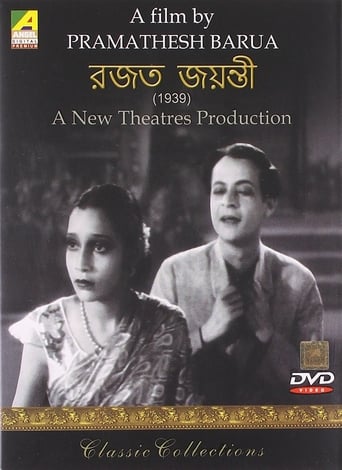
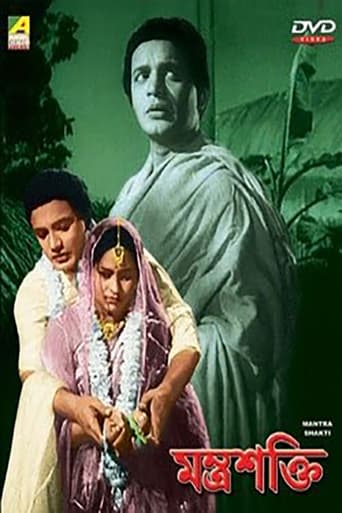
Actor in early Indian cinema during the transition from silent films to talkies. His screen career spanned the late 1930s through the mid-1950s, appearing in notable productions during the formative years of Indian film industry. Bhanu appears in 'Rajat Jayanti' in 1939, which was among the early sound films produced in Bengal, demonstrating his versatility during the technical evolution of cinema. By 1954, he was still active in the industry, appearing in 'The Power of Chant,' showing his longevity in a rapidly changing film landscape. His filmography, though not extensively documented, places him among the actors who helped establish the foundations of Indian cinema. His work during this period contributed to the development of regional cinema, particularly in Bengali film production, which was emerging as a significant cultural force in India.
The Craft
Milestones
- Appeared in 'Rajat Jayanti' (1939), an early Bengali sound film
- Acted in 'The Power of Chant' (1954)
- Worked during the transitional period of Indian cinema
- Contributed to early Bengali film industry
Best Known For
Must-See Films
Why They Matter
Impact on Culture
Bhanu Banerjee represents the generation of actors who worked during the crucial transition from silent cinema to sound in Indian film history. His participation in early Bengali sound films like 'Rajat Jayanti' (1939) places him among the pioneers who helped establish the technical and artistic foundations of regional cinema in India. These early actors were instrumental in developing acting techniques suitable for the new medium of sound film, adapting theatrical traditions to cinematic requirements. The period during which he was active saw the emergence of Indian cinema as a powerful cultural force, with actors like him contributing to the development of distinct regional film industries that would later flourish into major cultural institutions.
Lasting Legacy
While detailed records of Bhanu Banerjee's career are limited, his work in the foundational years of Indian cinema represents an important chapter in film history. Actors from his generation were the bridge between the theatrical traditions of the early 20th century and the emerging language of cinema. Their contributions, though sometimes undocumented in comprehensive film histories, were essential in establishing the professional standards and artistic conventions that would guide Indian cinema for decades to come. The preservation of films from this period, including those in which he appeared, provides invaluable insight into the early development of Indian cinematic culture.
Who They Inspired
As an actor from the early sound era, Bhanu Banerjee would have been part of the generation that influenced subsequent performers in Bengali cinema. The techniques and approaches developed by actors during this period established precedents for film acting in regional Indian cinema. While specific documentation of his influence on later actors is not readily available, his participation in early sound films contributed to the collective knowledge base that future generations of Indian actors would draw upon in their own careers.
Off Screen
Limited information is available about the personal life of Bhanu Banerjee from this early cinema period. Like many actors of his generation, detailed personal records were not systematically preserved, particularly for regional film actors from the 1930s and 1940s.
Did You Know?
- Appeared in films during the crucial transition period from silent to sound cinema in India
- Worked in early Bengali cinema, which was one of India's most sophisticated regional film industries
- His film 'Rajat Jayanti' (1939) was produced during the golden era of Bengali cinema
- The 15-year span of his known filmography (1939-1954) covers a significant period of Indian film history
- Early actors like him often worked in multiple languages as regional film industries were still developing their identities
Frequently Asked Questions
Who was Bhanu Banerjee?
Indian with credits in this catalog. He appeared in films like 'Rajat Jayanti' (1939) and 'The Power of Chant' (1954), contributing to the development of early Bengali cinema during a formative period in Indian film history.
What films is Bhanu Banerjee best known for?
Titles linked here include Rajat Jayanti (1939), The Power of Chant (1954).
When was Bhanu Banerjee active in cinema?
Based on available filmography, Bhanu Banerjee was active in cinema from 1939 to 1954, a period that covered significant developments in Indian film history including the maturation of sound cinema and the growth of regional film industries.
What was Bhanu Banerjee's contribution to Indian cinema?
Bhanu Banerjee contributed to Indian cinema as part of the generation of actors who worked during the establishment of sound film in India. His work in early Bengali cinema helped develop the artistic and technical foundations that would support the growth of regional Indian film industries.
Is Bhanu Banerjee the same as Bhanu Bandopadhyay?
No, Bhanu Banerjee should not be confused with Bhanu Bandopadhyay (1920-1983), the famous Bengali comedian who became prominent in the 1950s and 1960s. The Bhanu Banerjee discussed here was active earlier, from 1939-1954, and appeared in different films during the early sound era of Indian cinema.