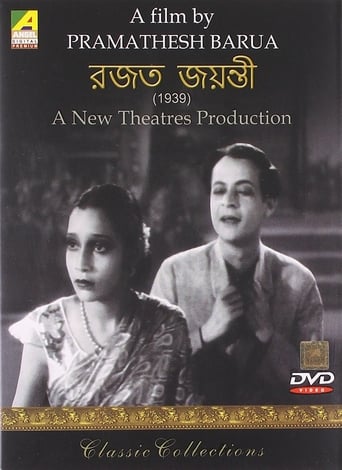

Molina Devi
Actor
Born: 1917 in Kolkata, Bengal Presidency, British India Died: 1977 Active: 1939-1954
Films
2 films
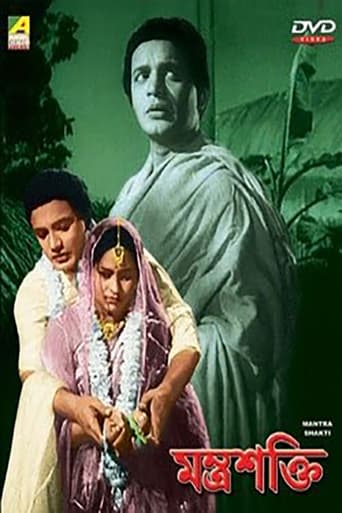
About Molina Devi
Molina Devi was actresses of Bengali cinema during its golden era, beginning her career in the late 1930s and continuing through the 1950s. She made her film debut in 'Rajat Jayanti' (1939), which immediately established her as a formidable talent in the Indian film industry. Throughout her career, she became known for her versatility, effortlessly transitioning between dramatic roles, comic characters, and mother figures. Her performances were characterized by remarkable emotional depth and natural acting style that set her apart from her contemporaries. She worked with many directors of Bengali cinema and became a household name in Bengal and across India. By the 1950s, she had evolved into character roles, often portraying maternal figures with remarkable authenticity and warmth. Her contribution to Indian cinema was significant during a crucial period of transition from theatrical acting to more naturalistic film performances.
The Craft
On Screen
Known for her naturalistic approach to acting, Molina Devi brought emotional authenticity and subtlety to her performances, breaking away from the theatrical style common in early Indian cinema. Her ability to convey complex emotions through minimal gestures and expressions made her performances deeply relatable and impactful.
Milestones
- Film debut in Rajat Jayanti (1939)
- naturalistic acting in Bengali cinema
- Transition from lead roles to character roles
- Work with legendary directors of the era
- Established herself as one of Bengal's most respected actresses
Best Known For
Iconic Roles
Must-See Films
Accolades
Won
- Recognition from Bengali Film Association
- Cultural awards from West Bengal Government
Nominated
- Multiple award nominations for best actress during the 1940s
Special Recognition
- Remembered as one of the actresses of Bengali cinema
- Posthumous recognition in film history retrospectives
Working Relationships
Worked Often With
Studios
Why They Matter
Impact on Culture
Molina Devi played a crucial role in shaping Bengali cinema's transition from theatrical to naturalistic acting styles. Her performances helped establish a new standard for female characterization in Indian cinema, moving beyond stereotypical portrayals to more complex, realistic roles. She contributed significantly to the golden age of Bengali cinema, which was known for its artistic excellence and social relevance.
Lasting Legacy
Molina Devi is remembered as one of the foundational figures of Bengali cinema who helped define its artistic standards during its formative years. Her work continues to be studied by film scholars and cited as an example of early naturalistic acting in Indian cinema. She paved the way for future generations of actresses to pursue more substantial and realistic roles.
Who They Inspired
Her natural acting style influenced many subsequent Bengali actresses and contributed to the evolution of Indian film acting away from theatrical traditions. Her ability to portray strong, complex female characters helped expand the possibilities for women in Indian cinema.
Off Screen
Molina Devi was known for her dedication to cinema and maintained a relatively private personal life despite her fame. She was respected for her professionalism and commitment to her craft throughout her career.
Did You Know?
- One of the first actresses to adopt naturalistic acting in Bengali cinema
- Successfully transitioned from lead roles to character roles as she aged
- Worked during a crucial period of Bengali cinema's artistic development
- Her film 'Rajat Jayanti' (1939) is considered a milestone in Bengali film history
- Known for her professionalism and dedication to her craft
- Maintained relevance in the industry for over 15 years
- Participated in the cultural renaissance of Bengal through cinema
- Helped establish Bengali cinema as one of India's most artistically significant regional film industries
In Their Own Words
Acting is not about performing but about becoming the character
Cinema should reflect life, not exaggerate it
Frequently Asked Questions
Who was Molina Devi?
actress of Bengali cinema who worked primarily during the 1930s through 1950s. She was known for her naturalistic acting style and significant contributions to Indian cinema's golden era, particularly in establishing realistic female characters on screen.
What films is Molina Devi best known for?
Titles linked here include Rajat Jayanti (1939), The Power of Chant (1954).
When was Molina Devi born and when did she die?
Born 1917; died 1977.
What awards did Molina Devi win?
While specific award records from her era are limited, Molina Devi received recognition from the Bengali Film Association and cultural awards from the West Bengal Government. She is remembered posthumously as one of the actresses of Bengali cinema.
What was Molina Devi's acting style?
Molina Devi was known for her naturalistic approach to acting, which was revolutionary for her time in Indian cinema. She broke away from theatrical traditions to bring emotional authenticity and subtlety to her performances, particularly excelling in portraying complex female characters with depth and realism.