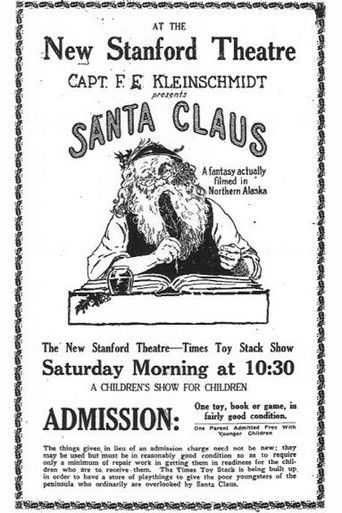
Frank E. Kleinschmidt
Director
Born: 1885 in Germany Died: February 1961 Active: 1910s-1930s
Films
1 film
About Frank E. Kleinschmidt
German-born American filmmaker who carved out a unique niche in early cinema as a director of adventure documentaries and travelogues. Born in Germany in 1885, he emigrated to the United States and established himself as a cinematographer and director specializing in exotic location filming and expedition documentaries. Throughout the 1910s and 1920s, Kleinschmidt produced numerous short and feature-length documentaries that captured remote regions and cultures around the world, often accompanying scientific expeditions to capture authentic footage. His most notable narrative work was the 1925 Christmas fantasy film 'Santa Claus,' which represented a departure from his usual documentary fare. Kleinschmidt's filmmaking the silent era, during which he developed a reputation for bringing distant lands and peoples to American audiences through his camera lens. His work reflected the early 20th century fascination with exploration and ethnographic documentation, though viewed through a colonial-era perspective. While his narrative directing career was brief, his documentary output was substantial and influential in shaping early travel and adventure cinema.
The Craft
Behind the Camera
Kleinschmidt's directing style was characterized by a documentary approach to filmmaking, emphasizing authentic location shooting and observational techniques. He favored natural lighting and real settings over studio productions, bringing a sense of immediacy and realism to his films. His work often featured long, contemplative shots that allowed viewers to absorb foreign landscapes and cultural practices. In his documentary work, he employed a straightforward, educational approach that appealed to early cinema audiences hungry for glimpses of the wider world.
Milestones
- Directed 'Santa Claus' (1925) narrative feature
- Pioneered expedition documentary filmmaking
- Produced numerous travelogues for early cinema
- Worked as cinematographer on adventure films
- Captured rare footage of remote regions and cultures
Best Known For
Must-See Films
Accolades
Special Recognition
- Recognized as a pioneer in documentary and expedition filmmaking
Working Relationships
Worked Often With
Studios
Why They Matter
Impact on Culture
Frank E. Kleinschmidt contributed significantly to early documentary cinema and the popularization of travelogues in American theaters. His work helped satisfy the public's growing curiosity about distant lands and cultures during the early 20th century, a time when international travel was rare for most people. His expedition films provided some of the first moving images of remote regions and indigenous peoples to mass audiences, though viewed through the colonial-era lens of his time. His documentary approach influenced the development of ethnographic filmmaking and nature documentaries that would follow in subsequent decades.
Lasting Legacy
Kleinschmidt's legacy lies primarily in his role as an early documentary filmmaker who helped establish the travelogue and expedition film genres. While his name is not widely recognized today, his work represents an important chapter in the evolution of non-fiction cinema. His films serve as historical documents of early 20th century exploration and the Western gaze toward foreign cultures. The 1925 film 'Santa Claus' stands as his most enduring narrative work, preserved as an example of Christmas-themed silent cinema. His career exemplifies the diverse opportunities available in early Hollywood for filmmakers willing to explore niche genres and subjects.
Who They Inspired
Kleinschmidt influenced subsequent generations of documentary filmmakers through his emphasis on location shooting and authentic documentation. His work prefigured later developments in ethnographic cinema and nature documentaries. While not directly mentoring famous filmmakers, his approach to capturing reality on film contributed to the documentary tradition that would be further developed by figures like Robert Flaherty and later nature documentarians. His expedition films helped establish templates for adventure and exploration programming that would later become staples of television and streaming platforms.
Off Screen
Frank E. Kleinschmidt was born in Germany and immigrated to the United States, where he established his career in the burgeoning American film industry. He was part of the wave of European talent that helped shape early Hollywood. Details about his personal life, family, and relationships remain largely undocumented in historical records, as was common for many behind-the-camera figures of the silent era. His life was primarily dedicated to his craft of exploration and filmmaking.
Education
Details about Kleinschmidt's formal education are not well-documented in historical records, though his technical expertise in cinematography suggests he may have had training in photography or related fields.
Did You Know?
- Primarily worked as a documentary filmmaker rather than narrative director
- Santa Claus (1925) was one of his few narrative feature films
- Specialized in expedition and adventure documentaries
- Often accompanied scientific expeditions to capture footage
- His films were among the first to show many remote locations to American audiences
- Worked during the transition from short films to feature-length documentaries
- His active years covered the peak years of silent cinema
- Represented the German-American contribution to early Hollywood
- His work reflected early 20th century fascination with exploration
- Few of his documentary works survive today due to the fragility of early film stock
Frequently Asked Questions
Who was Frank E. Kleinschmidt?
German-born American filmmaker active during the silent era, primarily known for his documentary and expedition films. He specialized in travelogues and adventure documentaries, with the 1925 film 'Santa Claus' being one of his rare narrative feature directorial efforts.
What films is Frank E. Kleinschmidt best known for?
Titles linked here include Santa Claus (1925), The Heart of the World (various documentary shorts).
When was Frank E. Kleinschmidt born and when did he die?
Born 1885; died February 1961.
What was Frank E. Kleinschmidt's directing style?
Kleinschmidt's directing style emphasized documentary realism and authentic location shooting. He favored natural settings and observational techniques, bringing a sense of immediacy to his expedition films. His approach was straightforward and educational, appealing to audiences' curiosity about the wider world.
What was Frank E. Kleinschmidt's impact on early cinema?
Kleinschmidt contributed significantly to the development of documentary and travelogue genres in early cinema. His expedition films helped introduce American audiences to remote cultures and locations, satisfying the early 20th century fascination with exploration and discovery.
Did Frank E. Kleinschmidt work with any major studios?
Kleinschmidt primarily worked as an independent filmmaker, producing documentaries and expedition films for various production companies rather than being tied to a single major studio. His work was distributed through the typical channels of silent-era independent cinema.