Films
1 film
About John McDowell
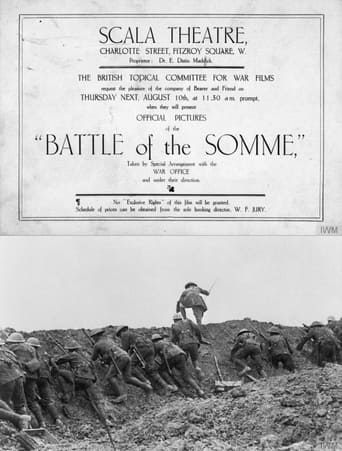
British cinematographer and director who gained historical significance for his work documenting World War I, particularly as one of the two official filmmakers assigned to capture footage of the Battle of the Somme in 1916. Working alongside Geoffrey Malins for the British Topical Committee for War Films, McDowell operated as a combat cameraman on the Western Front, risking his life to film actual combat conditions and trench warfare. His footage, combined with Malins' material, was edited into the documentary 'The Battle of the Somme,' which became commercially successful and culturally significant films of the silent era. Unlike his colleague Malins, who published memoirs and remained in the public eye, McDowell largely disappeared from historical records after the war, making him one of cinema's more mysterious early documentary pioneers. His contribution to war documentation and early cinema history, while significant, remains underdocumented compared to his contemporaries.
The Craft
Behind the Camera
Documentary realism, capturing authentic combat footage with minimal staging, focusing on the harsh realities of trench warfare and the human cost of battle
Milestones
- Official cinematographer for the Battle of the Somme (1916)
- Co-director of 'The Battle of the Somme' documentary film
- combat footage during World War I
- Contributed to
Best Known For
Must-See Films
Accolades
Special Recognition
- Recognized as a pioneer of war documentary filmmaking
Working Relationships
Worked Often With
Studios
Why They Matter
Impact on Culture
John McDowell's work on 'The Battle of the Somme' had an enormous cultural impact, as the film was seen by an estimated 20 million people in Britain in its first six weeks of release - nearly half the population at the time. The footage he helped capture provided the British public with their first realistic view of trench warfare, fundamentally changing public perception of the war and creating a new form of cinematic truth that influenced documentary filmmaking for decades. His combat footage established a precedent for war journalism and documentary ethics, demonstrating cinema's power to inform and shape public opinion about current events.
Lasting Legacy
McDowell's legacy is primarily tied to his contribution to 'The Battle of the Somme,' which remains. While less documented than his collaborator Geoffrey Malins, McDowell's footage represents some of the earliest examples of combat cinematography and helped establish the documentary genre as a legitimate form of filmmaking. His work demonstrated that film could serve as both historical document and artistic medium, influencing generations of documentary filmmakers and war correspondents who followed.
Who They Inspired
McDowell's work in combat cinematography influenced the development of war documentary filmmaking and established techniques for capturing authentic footage in dangerous conditions. His approach to documenting warfare without artificial staging set a standard for documentary ethics that would influence filmmakers like Robert Flaherty and later war documentarians. The success of 'The Battle of the Somme' proved that documentary films could achieve both commercial success and cultural significance, paving the way for the documentary genre's acceptance in mainstream cinema.
Off Screen
Very little is known about John McDowell's personal life, as historical records primarily focus on his professional contribution to war documentation rather than his private affairs.
Did You Know?
- McDowell was one of only two official cinematographers assigned to film the Battle of the Somme
- His footage was shot under extremely dangerous conditions, with cameras weighing over 50 pounds
- The film he co-directed was the first feature-length documentary to achieve massive commercial success
- Unlike his colleague Geoffrey Malins, McDowell never published memoirs or gave extensive interviews about his experiences
- Some of his footage shows actual combat, including the famous 'over the top' sequence
- The British government initially had concerns about releasing such realistic war footage to the public
- McDowell's identity has been the subject of some historical confusion, with some sources mixing him up with other filmmakers of the period
- His camera equipment was specially modified to work in muddy trench conditions
- The film he helped create was used for recruitment purposes despite showing the horrors of war
- Historical records about McDowell after 1916 are remarkably scarce, adding to his mysterious legacy
Frequently Asked Questions
Who was John McDowell?
British cinematographer and on YTB.my. His work helped create.
What films is John McDowell best known for?
Titles linked here include The Battle of the Somme (1916).
When was John McDowell born and when did he die?
Unfortunately, detailed biographical information about John McDowell's birth and death dates is not available in historical records, as he largely disappeared from public documentation after his work on the 1916 film.
What awards did John McDowell win?
John McDowell did not receive formal awards during his lifetime, as documentary filmmaking was still in its infancy and award systems for such work were not yet established. His recognition came posthumously as a pioneer of war documentary filmmaking.
What was John McDowell's directing style?
McDowell's directing style emphasized documentary realism and authenticity, capturing actual combat conditions with minimal staging. He focused on the harsh realities of trench warfare, creating footage that was both historically significant and emotionally powerful.
How did John McDowell impact cinema history?
McDowell helped establish documentary filmmaking as a legitimate and commercially viable genre through his work on 'The Battle of the Somme.' His combat footage demonstrated cinema's power to inform public opinion and document historical events in real-time.
Why is so little known about John McDowell compared to other filmmakers?
Unlike his colleague Geoffrey Malins, who published memoirs and remained in the public eye, McDowell largely withdrew from public life after the war. Historical records from this period, especially for documentary filmmakers, were often incomplete, and many early cinema pioneers were not properly documented.