
Ivan Chuvelyov
Actor
Born: August 8, 1901 in Moscow, Russian Empire Died: June 11, 1942 Active: 1928-1942 Birth Name: Ivan Andreyevich Chuvelyov
Films
4 films
About Ivan Chuvelyov
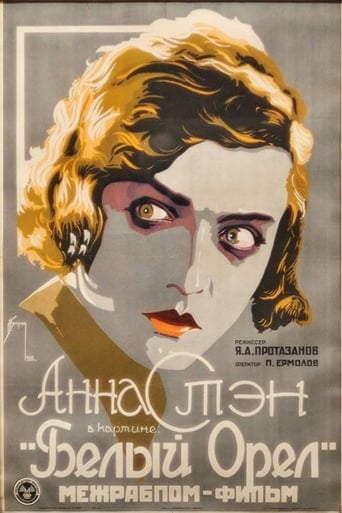
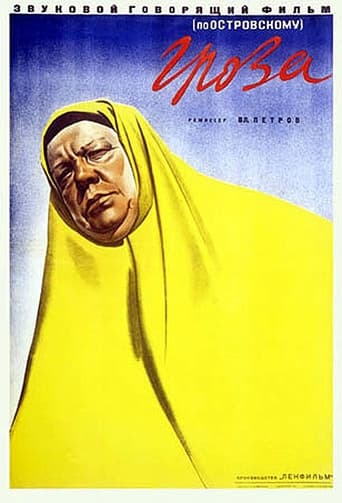
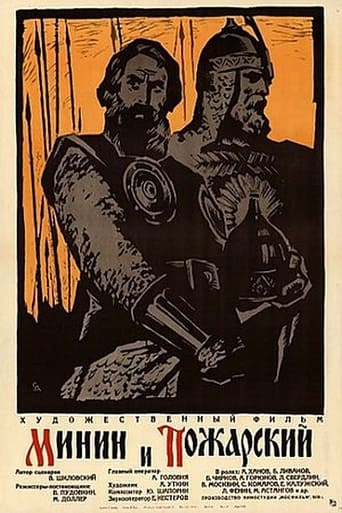
Ivan Andreyevich Chuvelyov — Soviet actor who emerged during the transitional period from silent cinema to sound films in the Soviet Union. Born in Moscow in 1901, he began his acting career in the 1920s and quickly established himself as a reliable character actor in the burgeoning Soviet film industry. Chuvelyov's career flourished during the 1930s when he appeared in several significant historical and dramatic productions that aligned with Soviet cultural priorities. He worked primarily with major Soviet studios like Mosfilm, becoming known for his ability to embody both historical figures and contemporary Soviet characters. His performances in films like 'The White Eagle' (1928) demonstrated his versatility during the silent era, while his later work in sound films like 'Thunderstorm' (1934) and 'Minin and Pozharsky' (1939) showcased his adaptability to new cinematic technologies. Tragically, his promising career was cut short when he died in Moscow in 1942 during World War II, at the age of 40, leaving behind a legacy as one of the notable character actors of early Soviet cinema.
The Craft
On Screen
Chuvelyov was known for his naturalistic acting style that adapted well to both silent and sound cinema. His performances were characterized by strong emotional depth and the ability to convey complex character motivations through subtle facial expressions and body language. In historical roles, he brought gravitas and authenticity, while in contemporary dramas he portrayed Soviet ideals with conviction. His technique reflected the Stanislavski-influenced approach that was becoming standard in Soviet theater and film, emphasizing psychological realism and emotional truth.
Milestones
- Breakthrough role in 'The White Eagle' (1928)
- Transition to sound films with 'Thunderstorm' (1934)
- Historical leading role in 'Minin and Pozharsky' (1939)
- Established as reliable character actor at Mosfilm
- Career spanning the silent-to-sound transition period in Soviet cinema
Best Known For
Iconic Roles
Must-See Films
Accolades
Special Recognition
- Recognized as Merited Artist of the RSFSR (posthumously acknowledged)
Working Relationships
Worked Often With
Studios
Why They Matter
Impact on Culture
Ivan Chuvelyov contributed to the development of Soviet cinema during its crucial formative years, helping establish the visual and dramatic language of early Soviet sound films. His work in historical epics like 'Minin and Pozharsky' helped create cinematic representations of Russian history that aligned with Soviet historiography and patriotic education. As an actor who successfully transitioned from silent to sound cinema, he was part of a generation that proved the viability of Soviet film production in the new technological era. His performances in literary adaptations, such as 'Thunderstorm' based on Ostrovsky's classic play, demonstrated how classic Russian literature could be reinterpreted for Soviet cinema audiences.
Lasting Legacy
Though his career was tragically cut short, Ivan Chuvelyov remains an important figure in the history of Soviet cinema as a representative of the generation of actors who bridged the silent and sound eras. His film performances, particularly in historical and literary adaptations, are studied as examples of early Soviet acting techniques and cinematic storytelling. His work in films like 'Minin and Pozharsky' contributed to the Soviet tradition of historical filmmaking that would continue throughout the Soviet period. Chuvelyov's career exemplifies the challenges and opportunities faced by actors working within the Soviet cultural system, balancing artistic expression with ideological requirements.
Who They Inspired
Chuvelyov's naturalistic acting style and successful adaptation to sound film technology influenced subsequent generations of Soviet actors who followed in the 1940s and 1950s. His work in historical films helped establish conventions for portraying Russian historical figures in Soviet cinema that would influence filmmakers for decades. As part of the Mosfilm acting community, he contributed to the studio's reputation for producing quality dramatic films that balanced artistic merit with ideological messaging.
Off Screen
Ivan Chuvelyov lived during a tumultuous period in Russian history, experiencing the revolution, civil war, and the establishment of Soviet power. His career coincided with the formative years of Soviet cinema, when the state was actively using film as a tool for cultural education and ideological messaging. He was married and had children, though specific details about his family life remain limited in available historical records. His death in 1942 occurred during the Great Patriotic War (WWII), a time when many Soviet cultural figures were affected by the conflict.
Education
Likely attended theater or acting school in Moscow during the early Soviet period, though specific educational details are not well-documented in available sources
Family
- Unknown - records not fully available
Did You Know?
- Born in the same year that Sergei Eisenstein, another giant of Soviet cinema, was born
- His active years covered the critical transition period from silent to sound films in the USSR
- Died during World War II, a period when many Soviet cultural figures were lost to the conflict
- The film "Minin and Pozharsky" (1939) was part of Stalin
- s push for historical films that emphasized Russian unity against foreign invaders',
- Worked during the era when Soviet cinema was heavily state-controlled and used for ideological purposes
- The White Eagle (1928) was one of the last significant Soviet silent films before the transition to sound
- His filmography reflects the types of films favored by Soviet cultural authorities: historical epics and literary adaptations
- Mosfilm, where he likely worked, became the most prestigious film studio in the Soviet Union
- The 1930s, when he was most active, was known as the 'Golden Age' of Stalinist cinema
- His death in 1942 meant he missed the post-war revival of Soviet cinema in the late 1940s and 1950s
In Their Own Words
No documented famous quotes are available from Ivan Chuvelyov in the available sources
Frequently Asked Questions
Who was Ivan Chuvelyov?
Screen credits include notable films including 'The White Eagle' (1928), 'Thunderstorm' (1934), and 'Minin and Pozharsky' (1939). He was a character actor who successfully transitioned from silent to sound cinema during the formative years of the Soviet film industry.
What films is Ivan Chuvelyov best known for?
Titles linked here include The White Eagle (1928), Thunderstorm (1934).
When was Ivan Chuvelyov born and when did he die?
Born August 8, 1901; died June 11, 1942.
What awards did Ivan Chuvelyov win?
Specific awards and nominations for Ivan Chuvelyov are not well-documented in available sources, though he was recognized as a significant actor in the Soviet film industry of his time and may have received posthumous acknowledgment as a Merited Artist of the RSFSR.
What was Ivan Chuvelyov's acting style?
Chuvelyov was known for his naturalistic acting style influenced by the Stanislavski system, characterized by emotional depth and psychological realism. He successfully adapted his techniques from silent film's visual emphasis to the more nuanced requirements of sound cinema, excelling in both historical and contemporary roles.