Mikhail Tsaryov
Actor
Born: November 20, 1903 in Verkhnyaya Salda, Yekaterinburg Governorate, Russian Empire Died: November 10, 1987 Active: 1926-1987
Films
2 films
About Mikhail Tsaryov
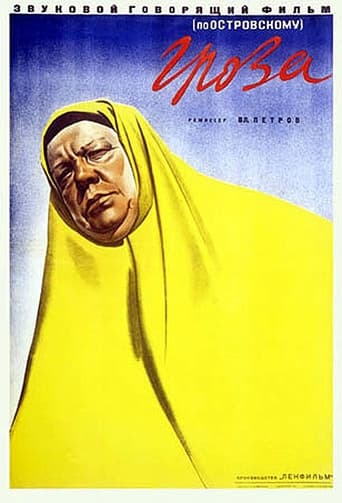
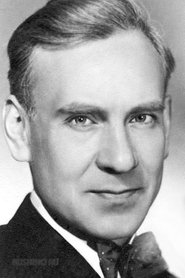
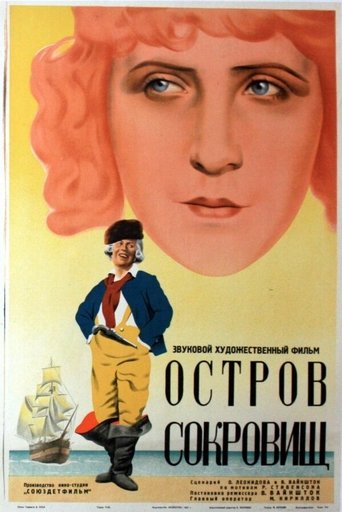
Mikhail Ivanovich Tsaryov — Soviet actor and theater director whose over six decades, making significant contributions to both stage and screen during the Golden Age of Soviet cinema. Born in 1903, he began his artistic journey at the prestigious Moscow Art Theatre School, graduating in 1926 and immediately joining the renowned Moscow Art Theatre where he honed his craft for a decade. His transition to film in the 1930s coincided with the emergence of Soviet sound cinema, where he delivered memorable performances in classics like Thunderstorm (1934) and Treasure Island (1937), showcasing his versatility in adapting theatrical techniques to the new medium. In 1936, he moved to the Mayakovsky Theatre, where he continued to develop his reputation as one of the Soviet Union's most respected character actors. His career reached its zenith when he became the artistic director of the Maly Theatre in 1950, a position he held for 35 years, during which he transformed it into one of the country's most prestigious theatrical institutions. Throughout his career, Tsaryov was recognized with the highest honors in Soviet arts, including the title of People's Artist of the USSR and multiple State Prizes, cementing his legacy as a towering figure in 20th-century Russian performing arts.
The Craft
On Screen
Tsaryov's acting style was characterized by the classical Stanislavski system, emphasizing psychological realism and emotional authenticity. His theatrical background brought a profound depth to his film performances, with meticulous attention to character development and motivation. He was known for his powerful stage presence and ability to convey complex emotions through subtle gestures and vocal modulation, making the transition from silent theatrical expression to sound cinema seamless. His approach combined the grandeur of classical Russian theater with the intimacy required for film, creating performances that were both epic and deeply personal.
Milestones
- Graduated from Moscow Art Theatre School (1926)
- Joined Moscow Art Theatre (1926-1936)
- Starred in Thunderstorm (1934) and Treasure Island (1937)
- Moved to Mayakovsky Theatre (1936-1950)
- Appointed Artistic Director of Maly Theatre (1950-1985)
- Awarded People's Artist of the USSR (1949)
- Received Hero of Socialist Labour (1973)
Best Known For
Iconic Roles
Must-See Films
Accolades
Won
- People's Artist of the USSR (1949)
- Stalin Prize (1947)
- Stalin Prize (1949)
- Stalin Prize (1951)
- Hero of Socialist Labour (1973)
- Order of Lenin (1973)
- Order of the October Revolution
- Order of the Red Banner of Labour
Special Recognition
- Honored Artist of the RSFSR (1938)
- People's Artist of the RSFSR (1945)
- Lenin Prize (1966)
Working Relationships
Worked Often With
Studios
Why They Matter
Impact on Culture
Mikhail Tsaryov played a pivotal role in shaping Soviet theatrical and cinematic culture during a transformative period in Russian arts. His work in early Soviet sound films helped establish the aesthetic standards for adapting classical literature to the screen, bridging the gap between theatrical tradition and cinematic innovation. As artistic director of the Maly Theatre for 35 years, he preserved and revitalized Russia's classical theatrical heritage while making it accessible to Soviet audiences. His performances in films like Thunderstorm and Treasure Island demonstrated how classical acting techniques could enhance cinematic storytelling, influencing generations of Soviet actors who straddled both stage and screen. Tsaryov's commitment to artistic excellence during politically challenging times helped maintain the integrity of Russian theatrical traditions throughout the Soviet era.
Lasting Legacy
Mikhail Tsaryov's legacy endures through his profound influence on Soviet and Russian theatrical education and performance practices. His 35-year tenure as artistic director of the Maly Theatre created a lasting institutional impact, establishing standards of excellence that continue to influence Russian theater today. The actors he trained and mentored went on to become leading figures in Soviet and post-Soviet performing arts, extending his influence well beyond his own lifetime. His film performances, though relatively few, remain important examples of early Soviet cinema's artistic achievements and are studied for their successful integration of theatrical technique with cinematic expression. Tsaryov is remembered as a guardian of Russian classical theatrical traditions who successfully adapted them to the demands of 20th-century political and artistic changes.
Who They Inspired
Tsaryov's influence on subsequent generations of Soviet actors was profound, particularly through his teaching and directorial work at the Maly Theatre. His interpretation of the Stanislavski system emphasized psychological depth and emotional authenticity, becoming a model for actors transitioning between stage and screen. Many prominent Soviet actors of the 1960s-1980s cited his approach as foundational to their training. His work in early sound films provided a template for theatrical actors adapting to cinema, demonstrating how classical techniques could enhance rather than hinder film performance. His directorial philosophy at the Maly Theatre emphasized the importance of preserving classical repertoire while making it relevant to contemporary Soviet audiences, an approach that influenced theatrical institutions throughout the USSR.
Off Screen
Mikhail Tsaryov was married twice during his lifetime, first to fellow actress Valentina Serova and later to actress Alla Kazanskaya. His marriages connected him to prominent theatrical families and further solidified his position within the Soviet artistic elite. Despite his demanding career as both performer and director, he maintained a family life that reflected his commitment to the theatrical arts, with both of his wives being accomplished actresses in their own right.
Education
Graduated from Moscow Art Theatre School in 1926, studying under the guidance of legendary theater practitioners Konstantin Stanislavski and Vladimir Nemirovich-Danchenko, receiving comprehensive training in the revolutionary acting system that would define Soviet theatrical performance for decades.
Family
- Valentina Serova (1930s)
- Alla Kazanskaya (later years)
Did You Know?
- Was one of the few actors to successfully transition from silent theater to sound film in Soviet cinema
- His portrayal of Long John Silver in Treasure Island (1937) was one of the earliest Soviet interpretations of a classic English literary character
- Served as artistic director of Maly Theatre for 35 years, one of the longest such tenures in Soviet theatrical history
- Received three Stalin Prizes, making him
- His teaching methods at Maly Theatre incorporated both traditional Russian theatrical techniques and contemporary innovations
- Was a member of the Communist Party, reflecting the political requirements for leading cultural figures in the Soviet Union
- His performances were known for their powerful voice work, a skill particularly valuable in early sound recording technology
- Mentored numerous actors who would become prominent figures in post-Stalinist Soviet cinema and theater
- His interpretation of classical Russian plays helped define how Soviet audiences understood their literary heritage
- Despite his high cultural status, he maintained a reputation for accessibility and dedication to developing young talent
In Their Own Words
The theater is not just entertainment, it is the soul of the nation expressed through art
Every role, whether on stage or screen, demands complete surrender to the truth of the character
The actor's greatest responsibility is to serve the text while bringing it to life for contemporary audiences
Classical repertoire is not museum work, but living art that speaks to each generation
The transition from stage to film requires not technique adjustment, but understanding that the camera sees what the audience feels
Frequently Asked Questions
Who was Mikhail Tsaryov?
Renowned Soviet actor and theater on YTB.my. He was particularly known for his work in classical Russian theater and his performances in early Soviet sound films, including Thunderstorm (1934) and Treasure Island (1937). He served as artistic director of the prestigious Maly Theatre for 35 years and was recognized as a People's Artist of the USSR.
What films is Mikhail Tsaryov best known for?
Titles linked here include Thunderstorm (1934), Treasure Island (1937).
When was Mikhail Tsaryov born and when did he die?
Born November 20, 1903; died November 10, 1987.
What awards did Mikhail Tsaryov win?
Tsaryov received numerous prestigious awards throughout his career, including the title of People's Artist of the USSR (1949), three Stalin Prizes (1947, 1949, 1951), the Lenin Prize (1966), and was named a Hero of Socialist Labour (1973). He also received multiple Orders of Lenin and other state decorations recognizing his contributions to Soviet arts and culture.
What was Mikhail Tsaryov's acting style?
Tsaryov's acting style was rooted in the Stanislavski system, emphasizing psychological realism and emotional authenticity. Drawing from his extensive theatrical training, he brought depth and classical technique to both stage and screen performances. His approach combined the grandeur of Russian theatrical tradition with the intimacy required for film, creating powerful yet nuanced characterizations.