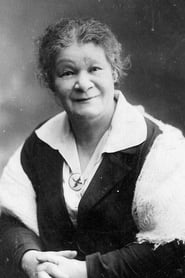
Ekaterina Korchagina-Aleksandrovskaya
Actor
Born: 1874 in Moscow, Russian Empire Died: 1951 Active: 1890s-1951 Birth Name: Ekaterina Ivanovna Korchagina-Aleksandrovskaya
Films
3 films

About Ekaterina Korchagina-Aleksandrovskaya
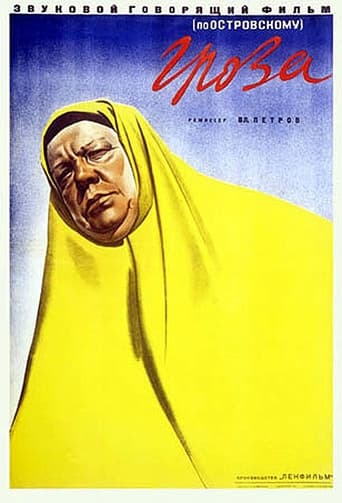
Russian and Soviet actress: from the late Imperial Russian era through the early Soviet period. Born in 1874, she began her theatrical career during the golden age of Russian theater and successfully transitioned into the emerging Soviet film industry. Her most notable film performances came in the 1930s and 1940s, including her role in the 1934 adaptation of Ostrovsky's 'Thunderstorm' and the 1945 wartime drama 'Simple People.' Throughout her career, she was known for her powerful dramatic presence and ability to embody complex Russian literary characters. She was associated with several prestigious Moscow theaters and was considered one of the leading actresses of her generation. Her career reflected the dramatic changes in Russian society and culture, from the Tsarist era through the Stalinist period. She continued performing well into her later years, becoming a respected matriarch of Soviet theater and cinema until her death in 1951.
The Craft
On Screen
Classical Russian theatrical training combined with psychological realism, known for her powerful dramatic intensity and ability to convey deep emotional complexity through subtle gestures and voice modulation. Her style reflected the Stanislavski system while maintaining elements of traditional Russian theatrical grandeur.
Milestones
- Stage debut in Moscow theaters (1890s)
- Leading roles in Imperial Russian theater
- Transition to Soviet cinema (1930s)
- Role in 'Thunderstorm' (1934)
- Performance in 'Simple People' (1945)
- Recognition as People's Artist of the RSFSR
Best Known For
Iconic Roles
Must-See Films
Accolades
Won
- People's Artist of the RSFSR
- Order of the Red Banner of Labour
- Stalin Prize nominee
Nominated
- Stalin Prize for acting achievements
Special Recognition
- Honored Artist of the RSFSR
- People's Artist of the RSFSR
Working Relationships
Worked Often With
Studios
Why They Matter
Impact on Culture
Ekaterina Korchagina-Aleksandrovskaya represented the bridge between Imperial Russian theatrical traditions and Soviet socialist realism in cinema. Her performances helped establish the archetype of the strong Russian matriarch in Soviet film, influencing how family dynamics and generational conflicts were portrayed on screen. Her work in adaptations of classic Russian literature helped preserve cultural heritage during a period when many traditional values were being challenged.
Lasting Legacy
As one of the few actresses who successfully transitioned from Tsarist-era theater to Soviet cinema, Korchagina-Aleksandrovskaya's legacy lies in her preservation of classical Russian acting techniques while adapting to new ideological requirements. Her performances in film adaptations of Russian classics helped define how Soviet audiences would interpret their literary heritage. She is remembered excelled in psychological depth and emotional authenticity in an era often characterized by ideological propaganda.
Who They Inspired
Her classical training and emotional authenticity influenced generations of Soviet actors, particularly in the interpretation of Russian literary characters. Her ability to balance artistic integrity with Soviet political requirements provided a model for artists working under restrictive regimes. Her technique in portraying complex matriarchal figures became a template for subsequent Soviet actresses in similar roles.
Off Screen
Ekaterina Korchagina-Aleksandrovskaya lived through. She managed to maintain her career and artistic integrity throughout these political upheavals, adapting to the new Soviet cultural requirements while preserving her classical artistic principles. Her personal life was largely dedicated to her art, and she never married, choosing instead to devote herself entirely to her theatrical and film career.
Education
Moscow Theatrical School, graduated in the early 1890s with classical training in Russian dramatic arts
Did You Know?
- One of the few actresses to successfully work in both Imperial Russian and Soviet cinema
- Her role in 'Thunderstorm' was considered definitive for that character
- She was over 60 years old when she made her most famous film appearances
- Never married, dedicating her entire life to her art
- Survived the Stalinist purges that claimed many of her contemporaries
- Her stage name included both her maiden name and married name, unusual for the time
- Continued performing on stage well into her 70s
- Was known for her photographic memory and ability to learn long passages of dialogue
- Maintained friendships with both pre-revolutionary and Soviet cultural figures
- Her apartment in Moscow became a gathering place for theatrical intellectuals
In Their Own Words
The stage is not just a platform, but a sacred space where truth must live
To act is not to pretend, but to become the truth of the character
In times of change, art must be the anchor that holds society to its humanity
Frequently Asked Questions
Who was Ekaterina Korchagina-Aleksandrovskaya?
Renowned Russian and Soviet actress who had a career spanning from the 1890s to 1951, working in both theater and film during one of Russia's most transformative historical periods.
What films is Ekaterina Korchagina-Aleksandrovskaya best known for?
Titles linked here include Thunderstorm (1934), Simple People (1945).
When was Ekaterina Korchagina-Aleksandrovskaya born and when did she die?
Born 1874; died 1951.
What awards did Ekaterina Korchagina-Aleksandrovskaya win?
She received the prestigious title of People's Artist of the RSFSR, was awarded the Order of the Red Banner of Labour, and was nominated for the Stalin Prize in recognition of her contributions to Soviet theater and cinema.
What was Ekaterina Korchagina-Aleksandrovskaya's acting style?
Her acting style combined classical Russian theatrical training with psychological realism, influenced by the Stanislavski system, characterized by powerful dramatic intensity and the ability to convey deep emotional complexity through subtle techniques.