K.L. Saigal
Actor
Born: April 11, 1904 in Jammu, Jammu and Kashmir, British India Died: January 18, 1947 Active: 1932-1947 Birth Name: Kundan Lal Saigal
Films
2 films
About K.L. Saigal
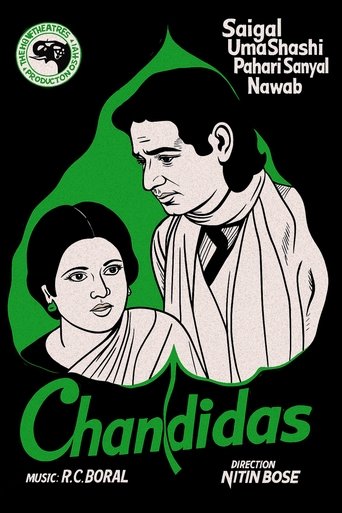
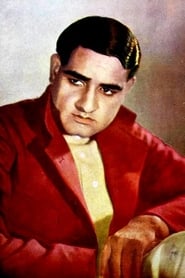
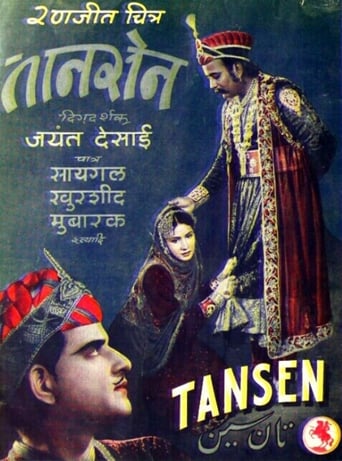
Kundan Lal Saigal, known professionally as K.L. Saigal, was actors and singers in Indian cinema history. Born in Jammu in 1904, he began his career as a typewriter salesman before being discovered by music director R.C. Boral. Saigal joined New Theatres in Calcutta in 1932 and quickly became the studio's biggest star, revolutionizing film acting and singing with his naturalistic style and soulful voice. His breakthrough came with 'Mohabbat Ke Ansu' (1932), followed by the landmark film 'Chandidas' (1934), which established him as a leading man. Saigal's portrayal of the tragic lover in 'Devdas' (1935) became his most role and set the standard for romantic tragedy in Indian cinema. After leaving New Theatres in 1941, he worked in Bombay, delivering memorable performances in films like 'Bhakt Surdas' (1942) and 'Tansen' (1943). His alcoholism severely affected his health and career in his final years, leading to his untimely death at age 42 in 1947, leaving behind a legacy that influenced generations of Indian actors and singers.
The Craft
On Screen
Saigal pioneered naturalistic acting in Indian cinema, moving away from the theatrical style prevalent in early films. He brought subtlety and emotional depth to his performances, using minimal gestures and facial expressions to convey complex emotions. His acting was characterized by a melancholic intensity and vulnerability that resonated deeply with audiences. Saigal often played tragic romantic heroes, bringing a poetic quality to his roles that was enhanced by his singing abilities.
Best Known For
Iconic Roles
Must-See Films
Accolades
Won
- Bengal Film Journalists' Association Award for Best Actor (1945)
Nominated
- Bengal Film Journalists' Association Award nomination for Best Actor (1944)
Special Recognition
- First Indian film star to achieve pan-Indian recognition
- Pioneer of playback singing in Indian cinema
- Honored with postage stamps by Indian Postal Service (multiple issues)
- Films preserved in National Film Archive of India
- Multiple retrospective film festivals dedicated to his work
Working Relationships
Worked Often With
Studios
Why They Matter
Impact on Culture
K.L. Saigal revolutionized Indian cinema by introducing a new style of acting that combined naturalistic performance with musical expression. He was the first true superstar of Indian cinema, achieving unprecedented popularity across linguistic and regional barriers. Saigal's films and songs became cultural touchstones, with his portrayal of Devdas creating an archetype that would be revisited by generations of filmmakers. His singing style, which blended classical training with emotional accessibility, made him the first singing star of Indian cinema and laid the foundation for the playback singing system. Saigal's influence extended beyond cinema into popular culture, with his songs becoming standards that are still remembered and performed today.
Lasting Legacy
Saigal's legacy endures as the benchmark against which Indian film actors and singers are measured. He established the template for the singing star in Indian cinema, a tradition that continued for decades. His naturalistic acting style influenced generations of performers, moving Indian cinema away from theatrical conventions toward cinematic realism. The melancholic romantic hero archetype he perfected in films like Devdas became a recurring motif in Indian cinema. Saigal's recordings continue to be reissued and discovered by new audiences, and his life story has inspired documentaries and books. Film historians consider him.
Who They Inspired
Saigal directly influenced the singing styles of legends like Mukesh, Talat Mahmood, and early Kishore Kumar. His acting technique inspired actors like Dilip Kumar, who acknowledged Saigal's impact on his approach to emotional scenes. Directors such as Bimal Roy and Guru Dutt drew inspiration from Saigal's films when creating their own romantic tragedies. The tradition of actor-singers in Indian cinema, from Raj Kapoor to Amitabh Bachchan, traces its roots to Saigal's success. His interpretation of classical and semi-classical music in films made these genres accessible to mass audiences, influencing the musical direction of Indian cinema for decades.
Off Screen
Saigal married Raj Lakshmi in 1935, and they had three children together. His personal life was marked by his struggle with alcoholism, which began during his time at New Theatres and progressively worsened, affecting both his health and career. Despite his stardom, Saigal remained a simple man at heart, often preferring solitude and music over social gatherings. His addiction led to frequent health problems and affected his ability to work consistently in his final years.
Education
Limited formal education, left school early to support family financially
Family
- Raj Lakshmi (1935-1947)
Did You Know?
- Saigal never received formal training in classical music but learned by listening to accomplished singers
- He could sing in three languages: Hindi, Bengali, and Punjabi
- His song 'Babul Mora' from 'Street Singer' was recorded in one take
- Saigal was the first Indian film star to earn a salary of over 1,000 rupees per month
- He was a chain smoker and heavy drinker, which contributed to his early death
- Saigal's voice was considered unsuitable for classical music by traditionalists, but audiences loved it
- He worked as a timekeeper for a railway company before entering films
- Saigal's last film 'Parwana' was released posthumously
- He never learned to read music notation and relied entirely on memory
- His songs were often recorded live during filming, as playback technology was still developing
In Their Own Words
Music is not my profession, it's my prayer
I don't act, I just become the character
When I sing, I forget the world exists
My voice is God's gift, I'm just the instrument
Every song has a story, and I try to live that story
Frequently Asked Questions
Who was K.L. Saigal?
Legendary Indian with credits in this catalog. He was the first superstar of Indian cinema and pioneered the combination of acting and singing in films. His naturalistic acting style and soulful voice revolutionized Indian film art and influenced generations of performers.
What films is K.L. Saigal best known for?
Titles linked here include Devdas (1935), Chandidas (1934).
When was K.L. Saigal born and when did he die?
Born April 11, 1904; died January 18, 1947.
What awards did K.L. Saigal win?
Saigal received the Bengal Film Journalists' Association Award for Best Actor in 1945. While formal award systems were limited during his time, he received numerous honors including being featured on Indian postage stamps and having his films preserved in the National Film Archive of India as cultural treasures.
What was K.L. Saigal's acting style?
Saigal pioneered naturalistic acting in Indian cinema, moving away from the theatrical style of early films. He brought subtlety and emotional depth to his performances, using minimal gestures to convey complex emotions. His style was characterized by melancholic intensity and vulnerability, particularly effective in his tragic romantic roles.