Films
1 film
About Gao Baocheng
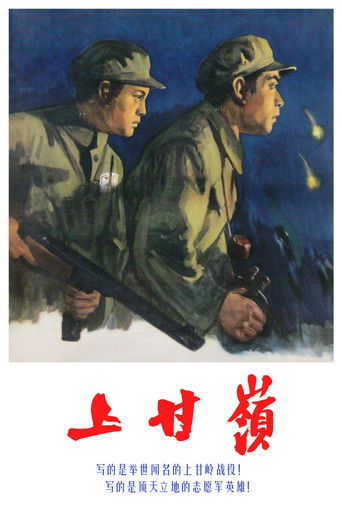
Gao Baocheng appears once in this catalog: Battle on Shangganling Mountain (1956). His most notable and perhaps only known film appearance was in the 1956 war epic 'Battle on Shangganling Mountain' (Shangganling), which depicted the famous Korean War battle from the Chinese perspective. This film was propaganda war films produced in China during the 1950s, celebrating Chinese military victories and patriotism. As an actor in this production, Gao Baocheng was part of a generation of performers who helped establish the socialist realist style in Chinese cinema. The film itself was directed by Sha Meng and produced by the August First Film Studio, one of China's most prominent military film production companies. His career appears to have been brief, with records primarily showing his involvement in this single but historically significant production during the mid-1950s.
The Craft
Milestones
- Appeared in the landmark 1956 war film 'Battle on Shangganling Mountain'
Best Known For
Iconic Roles
Must-See Films
Working Relationships
Studios
Why They Matter
Impact on Culture
Gao Baocheng contributed to Chinese cinema during a pivotal period when the film industry was being used as a tool for nation-building and ideological education following the establishment of the People's Republic of China in 1949. His participation in 'Battle on Shangganling Mountain' placed him within the tradition of socialist realist cinema that dominated Chinese filmmaking during the 1950s. The film itself became a classic example of Chinese war cinema and was instrumental in shaping public memory and understanding of the Korean War from the Chinese perspective. Although his individual role may have been minor, actors like Gao Baocheng were essential components in creating the collective narratives that defined Chinese cultural identity during the early socialist period.
Lasting Legacy
Gao Baocheng's legacy is primarily tied to his participation in. 'Battle on Shangganling Mountain' remains an important historical artifact of Chinese cinema and propaganda filmmaking, studied by film historians and scholars interested in how cinema was used to construct national narratives during the early decades of the People's Republic of China. While he may not have achieved individual fame, his contribution to this landmark production places him within the broader context of Chinese film history and the development of socialist realist cinema.
Who They Inspired
As an actor with limited documented filmography, Gao Baocheng's direct influence on other performers or filmmakers is difficult to trace. However, his participation in 'Battle on Shangganling Mountain' contributed to the establishment of acting styles and performance traditions that would influence subsequent generations of Chinese actors working within the socialist realist framework.
Off Screen
Very little is documented about Gao Baocheng's personal life, as he appears to have been a relatively obscure actor whose filmography is limited to a single production during the mid-1950s Chinese cinema boom.
Did You Know?
- Appeared in
- The film 'Battle on Shangganling Mountain' was based on actual events from the Korean War
- The August First Film Studio that produced the film was established in 1952 and became one of China's most important military film production centers
- The film was released during a period when Chinese cinema was heavily focused on patriotic and revolutionary themes
- Battle on Shangganling Mountain was later remade in color in 1982, but Gao Baocheng did not appear in the remake
- The original 1956 film was shot in black and white, which was typical for Chinese productions of that era
Frequently Asked Questions
Who was Gao Baocheng?
Chinese with credits in this catalog.' His career appears to have been brief, with this film being his primary documented work.
What films is Gao Baocheng best known for?
Titles linked here include Battle on Shangganling Mountain (1956).
When was Gao Baocheng born and when did he die?
Specific birth and death dates for Gao Baocheng are not documented in available historical records, which is common for actors of his era who had limited filmographies.
What awards did Gao Baocheng win?
There are no documented awards or nominations specifically attributed to Gao Baocheng in available film history records.
What was Gao Baocheng's acting style?
Based on the period and type of film he appeared in, Gao Baocheng likely worked within the socialist realist acting tradition that dominated Chinese cinema in the 1950s, characterized by clear ideological messaging and heroic portrayals.