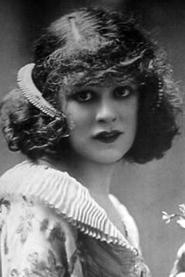
Lenore Ulric
Actor
Born: July 21, 1892 in New York City, New York, USA Died: December 30, 1970 Active: 1915-1940s
Films
2 films
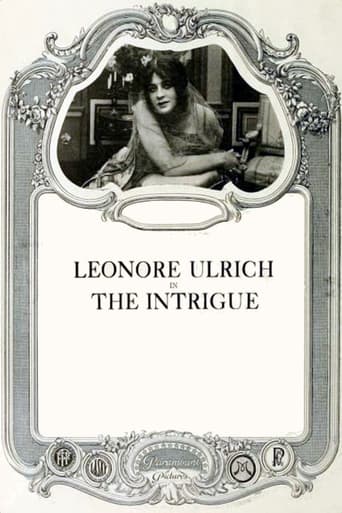
About Lenore Ulric
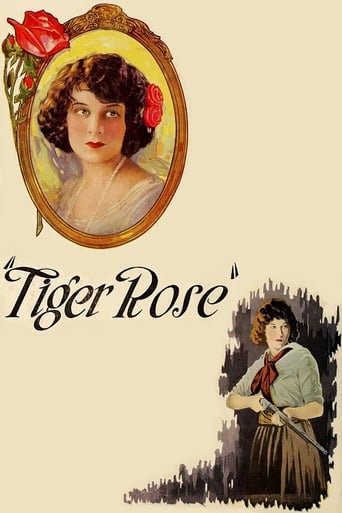
American actress who achieved prominence during the silent film era and maintained a successful career on Broadway that spanned several decades. Born in New York City in 1892, she began her career as a teenager, quickly establishing herself as a formidable stage presence with her striking beauty and intense dramatic abilities. Ulric transitioned to silent films in the early 1920s, where she became typecast in exotic and vamp roles, most notably in 'Tiger Rose' (1923) which became one of her signature performances. Unlike many of her contemporaries, she successfully returned to the stage after her brief film career, becoming one of Broadway's most respected actresses throughout the 1920s and 1930s. Her stage work included productions with renowned theater impresario David Belasco and collaborations with leading actors of her time. Ulric's career demonstrated remarkable versatility, moving seamlessly between the dramatic intensity required for silent films and the nuanced performances demanded by live theater. She retired from acting in the 1940s but on both mediums, remembered for her passionate performances and status as a woman who successfully navigated both stage and screen during a transformative period in American entertainment.
The Craft
On Screen
Lenore Ulric was known for her passionate, intense acting style characterized by dramatic gestures and emotional depth. In silent films, she employed the exaggerated expressions typical of the era but with remarkable subtlety and nuance that set her apart from her contemporaries. Her stage performances were noted for their powerful presence and ability to command audience attention through voice and movement. Ulric specialized in playing femme fatales and exotic characters, bringing a dangerous allure to her roles that made her particularly popular with audiences of the 1920s.
Milestones
- Broadway debut in 'The Little Brother' (1915)
- Breakthrough stage role in 'The Famous Mrs. Fair' (1919)
- Film debut in 'The Woman of Bronze' (1923)
- Starring role in 'Tiger Rose' (1923)
- Long-running Broadway success in 'The Little Spitfire' (1926)
- Return to stage prominence in 'The Woman' (1929)
- Final Broadway appearance in 'The Morning Star' (1942)
Best Known For
Iconic Roles
Must-See Films
Accolades
Special Recognition
- Hollywood Walk of Fame star for Motion Pictures (located at 6701 Hollywood Blvd)
Working Relationships
Worked Often With
Studios
Why They Matter
Impact on Culture
Lenore Ulric represented the archetype of the exotic, dangerous woman that fascinated audiences during the 1920s, embodying the era's fascination with the 'femme fatale' archetype. Her success in both stage and film helped bridge the gap between legitimate theater and the emerging film industry, demonstrating that serious dramatic talent could translate between mediums. Ulric's career trajectory from Broadway star to film celebrity and back again illustrated the fluid nature of entertainment careers during the early 20th century. She contributed to the development of more complex female characters in silent cinema, moving beyond one-dimensional portrayals to create women with depth and agency.
Lasting Legacy
Lenore Ulric's legacy lies in her dual success as both a Broadway star and silent film actress, a relatively rare achievement during her era. She is remembered as. Her ability to maintain a successful stage career long after her film appearances ended speaks to her versatility and enduring talent. Ulric's work continues to be studied by film historians and silent cinema enthusiasts as an example of the sophisticated acting techniques that developed during the transition from stage to screen. Her star on the Hollywood Walk of Fame ensures her place in cinematic history, while her Broadway productions remain part of theatrical history.
Who They Inspired
Ulric influenced a generation of actresses by demonstrating how theatrical training could enhance film performances, bringing depth and nuance to silent film acting. Her success in playing complex, morally ambiguous female characters helped pave the way for more sophisticated portrayals of women in cinema. Many later actresses who moved between stage and screen cited performers like Ulric as inspiration for their own career paths. Her work with David Belasco helped establish new standards for dramatic production that influenced both theater and film industries.
Off Screen
Lenore Ulric was married twice during her lifetime, both times to fellow actors. Her first marriage was to Sidney Blackmer in 1929, which ended in divorce. She later married British actor Henry Wilcoxon in 1948, and they remained together until her death in 1970. Ulric was known for her private nature off-screen, rarely giving interviews about her personal life. She maintained friendships with many prominent theater and film personalities of her era but preferred to keep her private affairs away from public scrutiny. After retiring from acting, she lived a quiet life in California, occasionally attending film festivals and retrospectives about silent cinema.
Education
Educated in New York City schools, received early dramatic training at local theater schools
Family
- Sidney Blackmer (1929-1939)
- Henry Wilcoxon (1948-1970)
Did You Know?
- She was discovered by theater producer David Belasco while performing in a small New York theater
- Her exotic appearance was partly due to her mixed heritage (German and Native American ancestry)
- Tiger Rose was her most popular film role, but she preferred stage acting
- She was one of the few silent film stars who successfully returned to Broadway after her film career
- Her second husband Henry Wilcoxon was Cecil B. DeMille's frequent collaborator
- She retired from acting at the height of her stage career, preferring to leave on her own terms
- Ulric was known for her intense preparation for roles, often spending months studying characters
- She was a close friend of fellow actress Ethel Barrymore
- Her film career lasted only about 5 years, but her stage active years covered over 25 years
- She was considered
In Their Own Words
The stage is my first love, the camera was but a brief flirtation.
In silent pictures, your eyes must do what your voice cannot.
David Belasco taught me that acting is not about being seen, but about being felt.
Frequently Asked Questions
Who was Lenore Ulric?
American actress who achieved fame during the silent film era of the 1920s and had a career on Broadway. She was known for her exotic beauty and dramatic acting style, particularly in femme fatale roles. Her most famous film was 'Tiger Rose' (1923), though she maintained a longer and more successful career in theater.
What films is Lenore Ulric best known for?
Titles linked here include Tiger Rose (1923), The Woman of Bronze (1923).
When was Lenore Ulric born and when did she die?
Born July 21, 1892; died December 30, 1970.
What awards did Lenore Ulric win?
While Lenore Ulric did not receive major acting awards during her career, she was honored with a star on the Hollywood Walk of Fame for her contributions to motion pictures. Her recognition came more from critical acclaim and audience popularity than formal awards, particularly for her work on Broadway where she was considered one of the leading actresses of her time.
What was Lenore Ulric's acting style?
Lenore Ulric was known for her passionate, intense acting style characterized by dramatic gestures and emotional depth. In silent films, she mastered the art of conveying complex emotions through facial expressions and body language. On stage, she was noted for her powerful voice and commanding presence, bringing the same dramatic intensity to her theatrical performances that made her film work memorable.