
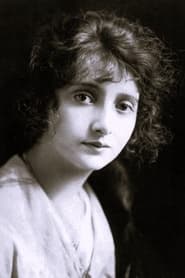
Gloria Hope
Actor
Born: November 9, 1893 in Pittsburgh, Pennsylvania, United States Died: October 29, 1976 Active: 1917-1923 Birth Name: Olive Frances Hopkins
Films
3 films
About Gloria Hope
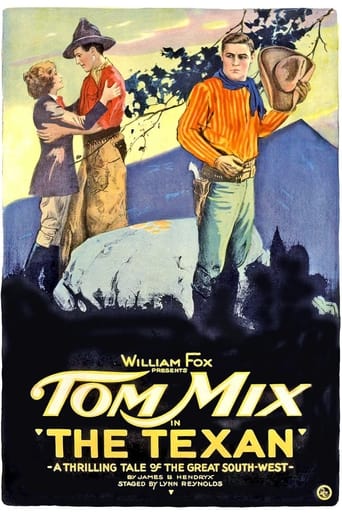
Gloria Hope, born Olive Frances Hopkins, was an American actress who rose to prominence during the silent film era in the early 1920s. She began her career with Thomas H. Ince's studio, where she developed her craft and appeared in numerous films between 1917 and 1923. Hope quickly established herself as a versatile performer, excelling in both dramatic roles and Westerns, often portraying the romantic lead opposite major stars of the period. Her most notable performances came in films like 'The Texan' (1920) alongside Tom Mix and 'Tess of the Storm Country' (1922) starring Mary Pickford, where she demonstrated her ability to convey emotion through the subtle techniques required by silent cinema. Despite her relatively brief career span of just six years, Hope appeared in approximately 40 films, working with some of the most significant directors and actors of her time. She retired from acting in 1923, coinciding with her divorce from director Irvin Willat, and largely disappeared from public life thereafter. Her legacy remains that of a talented but underappreciated actress who captured the essence of the silent era's romantic heroine.
The Craft
On Screen
Gloria Hope was known for her naturalistic acting style that was ahead of its time for the silent era. She employed subtle facial expressions and body language rather than the exaggerated gestures common among many of her contemporaries. Her performances were characterized by a gentle vulnerability combined with inner strength, making her particularly effective in romantic and dramatic roles. Hope had the ability to convey complex emotions through her eyes and nuanced movements, which translated well to the camera's close-up shots. Her style was especially suited for the intimate character studies that became more popular in the early 1920s.
Milestones
- Signed with Thomas H. Ince's studio in 1917
- Appeared in Mary Pickford's 'Tess of the Storm Country' (1922)
- Married prominent film director Irvin Willat
- Appeared in approximately 40 films during her career
Best Known For
Iconic Roles
Must-See Films
Working Relationships
Worked Often With
Studios
Why They Matter
Impact on Culture
Gloria Hope represents the archetype of the silent era actress whose career was both typical and tragic of her time. As a contract player during the studio system's formative years, she exemplified the journey of many talented performers who flourished briefly in silent cinema but struggled to transition or chose not to adapt to talking pictures. Her work in Westerns alongside stars like Tom Mix helped establish the genre's romantic conventions that would influence cowboy films for decades. Hope's performances in dramatic films demonstrated the evolving sophistication of silent acting, moving away from theatrical exaggeration toward more naturalistic expression. Though not remembered as a major star, her contributions to over 40 films during cinema's formative years represent the collective effort of countless performers who built the foundation of American cinema.
Lasting Legacy
Gloria Hope's legacy exists primarily in film archives and the memories of silent cinema enthusiasts. She represents the countless talented actors of the silent era who, despite significant contributions, faded into obscurity with the advent of sound. Her films, particularly those preserved in archives, serve as valuable artifacts of early American cinema and the evolution of film acting techniques. Hope's career trajectory—from promising contract player to early retirement—mirrors the challenges faced by many silent era actors who either couldn't or wouldn't adapt to the new demands of sound cinema. Her story reminds film historians of the ephemeral nature of fame in early Hollywood and the importance of preserving and studying the work of these performers.
Who They Inspired
While Gloria Hope did not achieve the lasting influence of major silent era stars like Mary Pickford or Gloria Swanson, her work contributed to the development of naturalistic acting in silent cinema. Her performances in Westerns helped establish conventions for female characters in the genre that would influence subsequent actresses. Hope's subtle acting style, which favored emotional authenticity over theatricality, represented an important step toward the more realistic performances that would become standard in later decades. Though she did not directly mentor other performers, her film work serves as an example for actors studying silent film techniques and the evolution of screen acting.
Off Screen
Gloria Hope's personal life was marked by two significant marriages and a relatively private existence after her film career ended. She married film director Irvin Willat in 1917, during the height of her acting career, which likely contributed to her opportunities in the film industry. The couple divorced in 1923, the same year Hope retired from acting, suggesting the end of her marriage may have influenced her career decision. In 1927, she married James S. Dugan, with whom she spent the remainder of her life. Hope had one daughter, Gloria Frances Willat, from her first marriage. After retiring from films, she largely withdrew from public life and focused on her family, living in California until her death at age 82.
Education
Limited information available about her formal education, but she likely received some dramatic training during her time with Thomas H. Ince's studio
Family
- Irvin Willat (1917-1923)
- James S. Dugan (1927-1976)
Did You Know?
- Her real name was Olive Frances Hopkins
- She appeared in approximately 40 films during her 6-year career
- She was married to director Irvin Willat, who directed many of her films
- She retired from acting the same year she divorced her first husband
- Her daughter was named after her stage name, Gloria
- She worked with some of the biggest stars of the silent era including Tom Mix and Mary Pickford
- She was under contract to Thomas H. Ince, one of the producers/directors of early Hollywood
- Her active years covered the transition from the 1910s to the early 1920s, a crucial period in cinema development
- She largely disappeared from public life after her 1923 retirement
- She died in Pasadena, California at age 82
In Their Own Words
No documented famous quotes from Gloria Hope are available in historical records
Frequently Asked Questions
Who was Gloria Hope?
American silent film actress active between 1917 and 1923, known for her work in Westerns and dramatic films. Born Olive Frances Hopkins, she appeared in approximately 40 films during her career and worked with major stars like Tom Mix and Mary Pickford before retiring from acting at age 29.
What films is Gloria Hope best known for?
Titles linked here include The Texan (1920), Tess of the Storm Country (1922).
When was Gloria Hope born and when did she die?
Born November 9, 1893; died October 29, 1976.
What awards did Gloria Hope win?
There are no records of Gloria Hope receiving major film awards or nominations during her career. Like many actors of her era, her contributions were recognized through her work and popularity rather than formal awards.
What was Gloria Hope's acting style?
Gloria Hope was known for her naturalistic acting style that emphasized subtle facial expressions and nuanced body language rather than the exaggerated gestures common in silent films. Her performances were characterized by gentle vulnerability combined with inner strength, making her particularly effective in romantic and dramatic roles.