Films
1 film
About Kuldip Kaur
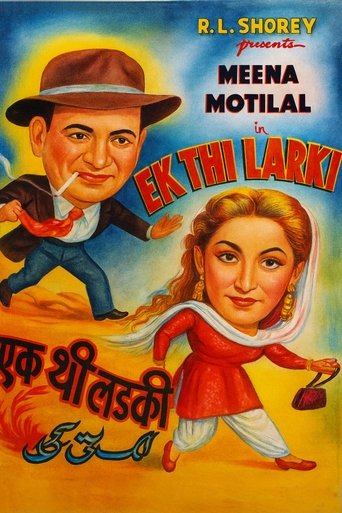
Kuldip Kaur was cast in early post-independence era of Bollywood cinema. Her career was notably brief, with her only known film credit being the 1949 production 'Ek Thi Larki'. This film emerged during a transitional period in Indian cinema when the industry was establishing itself after the country's independence in 1947. Kuldip Kaur represents one of the many actresses from this era whose filmographies were limited but contributed to the evolving landscape of Indian cinema. Her appearance in 'Ek Thi Larki' places her among the generation of actresses who worked during the formative years of Bollywood's golden age. Unfortunately, detailed information about her life, career trajectory, and other potential film work remains scarce in historical records, which is common for many supporting actors from this period.
The Craft
Milestones
- Appeared in the 1949 film 'Ek Thi Larki' during the early post-independence period of Indian cinema
Best Known For
Must-See Films
Why They Matter
Impact on Culture
Kuldip Kaur's contribution to Indian cinema, while limited to a single known film, represents the collective effort of countless actors who participated in the early development of Bollywood. During the late 1940s, Indian cinema was undergoing significant transformation following independence, and actors like Kuldip Kaur were part of this foundational period. Her appearance in 'Ek Thi Larki' (1949) places her within the context of post-independence Indian cinema, which was beginning to establish its unique identity and storytelling traditions. Though her individual impact may not be widely documented, she represents the generation of performers who helped shape the early landscape of Bollywood films.
Lasting Legacy
The legacy of Kuldip Kaur is primarily preserved through her film credit in 'Ek Thi Larki' (1949), which serves as a historical record of her contribution to early Indian cinema. While her name may not be widely recognized today, she represents the many actors who formed the backbone of Bollywood's early years. Her brief appearance in film history highlights the challenges of documenting the careers of supporting actors from this era, many of whom remain largely unknown despite their contributions to the industry's development. The preservation of her film credit ensures that her role in cinema history is not entirely lost to time.
Who They Inspired
Due to the limited documentation of Kuldip Kaur's career and the brief nature of her known filmography, specific information about her influence on other actors or directors is not available. However, like many actors from her era, she would have been part of the evolving acting styles and techniques that characterized early Bollywood cinema, contributing to the foundation upon which later generations of Indian actors would build their careers.
Off Screen
Very limited information is available about Kuldip Kaur's personal life, which is common for many actors from early Indian cinema who had brief careers or primarily worked in supporting roles.
Did You Know?
- Kuldip Kaur's entire known filmography consists of just one film from 1949
- Her film 'Ek Thi Larki' was released just two years after India's independence
- She represents one of many early Bollywood actresses whose complete careers remain undocumented
- The late 1940s was a crucial period for Indian cinema's development into what would become Bollywood
- Many actors from this era worked in films that are now lost or poorly documented
- Her active years covered during the transition from the film industry's colonial to post-colonial phase
Frequently Asked Questions
Who was Kuldip Kaur?
Indian actress from the early post-independence era of Bollywood cinema, known primarily for her appearance in the 1949 film 'Ek Thi Larki'. Her career appears to have been brief, with only one documented film credit to her name.
What films is Kuldip Kaur best known for?
Titles linked here include Ek Thi Larki (1949).
When was Kuldip Kaur born and when did she die?
Specific birth and death dates for Kuldip Kaur are not available in documented sources, which is common for many supporting actors from early Indian cinema whose complete biographical information was not preserved.
What awards did Kuldip Kaur win?
There are no documented awards or recognitions received by Kuldip Kaur, which is not unusual for actors with brief careers in early Bollywood cinema, particularly those in supporting roles.
What was Kuldip Kaur's acting style?
Due to limited documentation of her career and only one known film appearance, specific details about Kuldip Kaur's acting style are not available in historical records.
Why is there so little information about Kuldip Kaur?
The scarcity of information about Kuldip Kaur is typical of many early Bollywood actors, especially those with brief careers or supporting roles. Film documentation and preservation were limited in the 1940s, and many records from this period have been lost or were never comprehensively maintained.