
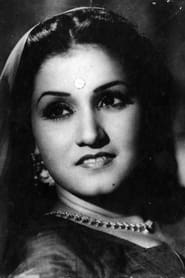
Noor Jehan
Actor
Born: September 21, 1926 in Kasur, Punjab, British India (now Pakistan) Died: December 23, 2000 Active: 1935-2000 Birth Name: Allah Wasai
Films
1 film
About Noor Jehan
Noor Jehan, born Allah Wasai, was a Pakistani singer and actress who began her career in British India's film industry before becoming an icon in Pakistani cinema. She made her film debut as a child actor in the 1930s and quickly rose to prominence with her exceptional singing talent and acting abilities. In 1945, she appeared in the Hindi film 'Badi Maa' directed by Master Vinayak, which was one of several films she worked on that year during the peak of her Indian career. Following the partition of India in 1947, she moved to Pakistan where she became the most celebrated playback singer in the country's film history, earning the title 'Malika-e-Tarannum' (Queen of Melody). Her over six decades, during which she recorded approximately 20,000 songs and appeared in numerous films. She was particularly known for her versatile voice that could adapt to various genres, from classical to folk to modern film songs. Her contribution to South Asian cinema and music is unparalleled, making her cultural figures of the 20th century in the subcontinent.
The Craft
On Screen
Natural and emotive acting style with strong dramatic presence, particularly excelling in romantic and family-oriented roles. She brought authenticity to her characters through her expressive eyes and nuanced performances, often combining her acting with her exceptional singing abilities to create memorable cinematic moments.
Milestones
- Film debut in 'Panchhi' (1938)
- Breakthrough role in 'Khandaan' (1942)
- Starred in 'Badi Maa' (1945)
- Moved to Pakistan after partition (1947)
- Became Pakistan's leading playback singer
- Recorded approximately 20,000 songs
- Received Pride of Performance award (1965)
- Received Sitara-e-Imtiaz (1996)
Best Known For
Iconic Roles
Must-See Films
Accolades
Won
- Pride of Performance Award (1965)
- Sitara-e-Imtiaz (1996)
- Tamgha-e-Imtiaz (1966)
- Nigar Awards (multiple times for Best Singer)
- Presidential Pride of Performance
Nominated
- Multiple Nigar Award nominations throughout career
Special Recognition
- Title 'Malika-e-Tarannum' (Queen of Melody)
- Pakistan's greatest singer of all time
- Influential South Asian singers of the 20th century
Working Relationships
Worked Often With
Studios
Why They Matter
Impact on Culture
Noor Jehan revolutionized the film music industry in South Asia, particularly in Pakistan where she became the voice of the nation. Her songs during the 1965 Indo-Pak war, particularly 'Ay Putar Hatan Tay Nahi Wikde,' boosted morale and earned her the nickname of Pakistan's 'voice of patriotism.' She broke barriers for women in the entertainment industry, becoming one of the first female artists to achieve such widespread fame and respect in a conservative society. Her influence extended beyond cinema into the broader cultural fabric of South Asia, with her songs becoming part of weddings, celebrations, and everyday life across generations.
Lasting Legacy
Noor Jehan's legacy is immeasurable in South Asian cinema and music. She is remembered as the greatest female singer in the history of Pakistan and. Her ability to sing in multiple languages and genres set new standards for playback singing. Even decades after her death, her recordings remain popular, and she continues to inspire new generations of singers. The Pakistani film industry has not seen another artist of her stature and versatility since her passing.
Who They Inspired
Noor Jehan influenced countless singers across South Asia, including Lata Mangeshkar, who considered her a role model in her early years. Her singing technique, emotional delivery, and versatility became benchmarks for playback singers. She pioneered the modern style of film singing that blended classical techniques with popular appeal. Many Pakistani singers, including Mehdi Hassan and Abida Parveen, have acknowledged her influence on their careers.
Off Screen
Noor Jehan was married twice during her lifetime. Her first marriage was to director Shaukat Hussain Rizvi in 1942, with whom she had three children. The couple divorced in 1953. She later married businessman Ejaz Durrani in 1959, but this marriage also ended in divorce. She was known for her dedication to her craft and maintained a professional relationship with her ex-husband Shaukat Hussain Rizvi even after their divorce. Her children followed in her footsteps, with her daughters Zille Huma and Hina Durrani becoming singers.
Education
Limited formal education; received early training in music from Ustad Ghulam Mohammad Khan
Family
- Shaukat Hussain Rizvi (1942-1953)
- Ejaz Durrani (1959-1970)
Did You Know?
- She began her career at age 5 as a child artist in the film 'Panchhi' (1938)
- She could sing in 12 different languages including Urdu, Hindi, Punjabi, and Bengali
- During the 1965 Indo-Pak war, she visited the front lines to perform for soldiers
- She recorded approximately 20,000 songs throughout her career
- Her first song was recorded for the film 'Gul Bakawli' (1939)
- She was the first Pakistani artist to perform at London's Royal Albert Hall
- Her voice was used for both young and elderly characters in films
- She earned the nickname 'Malika-e-Tarannum' (Queen of Melody) in the 1940s
- She was one of the highest-paid actresses in British Indian cinema during the 1940s
- Her song 'Awaz De Kahan Hai' from film 'Anmol Ghadi' (1946) remains iconic
In Their Own Words
Music is my life, my breath. I cannot imagine living without singing.
When I sing, I feel connected to God. It's a form of prayer for me.
I never thought I would become famous. I just loved to sing and act.
The love I received from my audience is my real award.
Music has no boundaries; it connects hearts across nations.
Frequently Asked Questions
Who was Noor Jehan?
Legendary Pakistani singer and actress who began her career in British India before becoming Pakistan's most celebrated playback singer. Known as 'Malika-e-Tarannum' (Queen of Melody), she recorded approximately 20,000 songs and appeared in numerous films throughout her six-decade career.
What films is Noor Jehan best known for?
Titles linked here include Badi Maa (1945), Khandaan (1942).
When was Noor Jehan born and when did she die?
Born September 21, 1926; died December 23, 2000.
What awards did Noor Jehan win?
Noor Jehan received numerous prestigious awards including the Pride of Performance Award (1965), Sitara-e-Imtiaz (1996), Tamgha-e-Imtiaz (1966), and multiple Nigar Awards for Best Singer throughout her career.
What was Noor Jehan's singing style?
Noor Jehan was known for her versatile singing style that could adapt to various genres from classical to folk to modern film songs. Her voice was characterized by its emotional depth, perfect pitch, and ability to convey complex emotions, making her.