Films
2 films
About Kenneth Gibson
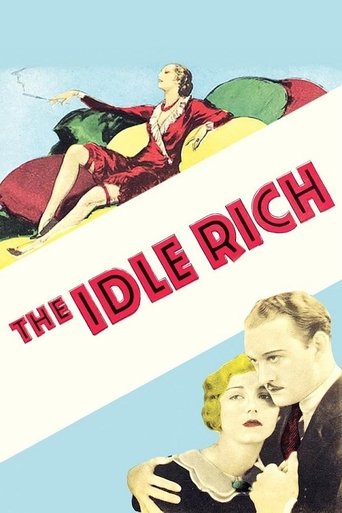
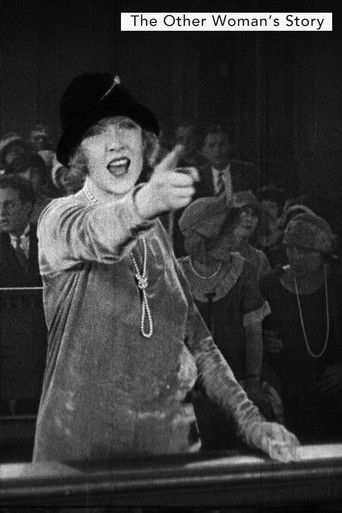
Kenneth Gibson is credited on a single production — s Story (1925). His known filmography spans from 1925 to 1929, placing him squarely in the era when Hollywood was undergoing the massive technological shift from silent pictures to talkies. Gibson appeared in at least two feature films, 'The Other Woman's Story' (1925) and 'The Idle Rich' (1929), which bookend his known career. Like many actors of his generation, his career was likely impacted by the advent of sound, as studios often replaced silent film actors with those who had more suitable voices or stronger stage backgrounds. The limited documentation of his work suggests he was not a major star but rather a working actor who appeared in supporting or character roles. His career appears to have concluded around the time many silent era actors found themselves struggling to adapt to the new requirements of sound cinema.
The Craft
Milestones
- Appeared in 'The Other Woman's Story' (1925)
- Appeared in 'The Idle Rich' (1929)
- Worked during the silent-to-sound transition era
Best Known For
Must-See Films
Why They Matter
Impact on Culture
Kenneth Gibson represents the thousands of working actors who populated Hollywood films during the silent era but whose contributions have been largely lost to history. His career, spanning the critical transition period from silent to sound films, exemplifies the challenges faced by many actors of his generation. While not a major star, actors like Gibson were essential to the film industry, providing the supporting performances that helped create the classic Hollywood cinema. His brief documented career serves as a reminder of how many talented individuals from early cinema have been forgotten by time, with only fragmentary records of their work remaining.
Lasting Legacy
Kenneth Gibson's legacy is primarily that of a representative example of the working actor during Hollywood's transitional period. His surviving film credits in 'The Other Woman's Story' and 'The Idle Rich' stand as testament to his participation in cinema history, even as broader biographical details remain elusive. For film historians and silent cinema enthusiasts, Gibson represents the vast population of actors who contributed to early American cinema but whose stories remain largely untold. His brief career trajectory, ending around the time sound revolutionized the industry, mirrors the experience of many silent era performers who struggled to adapt to the new medium.
Who They Inspired
Given the limited documentation of Kenneth Gibson's career and the absence of extensive information about his specific performances or techniques, there is insufficient evidence to trace his direct influence on other actors or filmmakers. Like many supporting actors from his era, his influence would have been primarily through the performances he delivered in his films, contributing to the overall quality and entertainment value of the productions in which he appeared.
Off Screen
Very little documented information exists about Kenneth Gibson's personal life, which is typical for many supporting actors from the silent era who did not achieve major stardom.
Did You Know?
- Kenneth Gibson's known active years covered only four years, from 1925 to 1929
- His career ended during the transition from silent films to talkies, a period when many actors found themselves displaced
- Only two of his films are documented: 'The Other Woman's Story' (1925) and 'The Idle Rich' (1929)
- Like many actors from the silent era, detailed biographical information about him is scarce
- His filmography places him in the late silent period,
- The lack of extensive documentation about his life is typical for non-star actors of his generation
- His career coincided with the final years of silent cinema before the complete transition to sound
Frequently Asked Questions
Who was Kenneth Gibson?
American with credits in this catalog. Active 1925–1929 in this catalog, placing him during the critical transition period when Hollywood was moving from silent films to talkies.
What films is Kenneth Gibson best known for?
Titles linked here include The Other Woman's Story (1925), The Idle Rich (1929).
When was Kenneth Gibson born and when did he die?
Unfortunately, specific birth and death dates for Kenneth Gibson are not documented in available historical records, which is common for many supporting actors from the silent era who did not achieve major stardom.
What awards did Kenneth Gibson win?
There are no documented awards or nominations for Kenneth Gibson, which is typical for many working actors of the silent era who appeared in supporting roles rather than leading parts.
What was Kenneth Gibson's acting style?
Specific details about Kenneth Gibson's acting style are not documented in available sources. As an actor working in the late silent era, he would have employed the exaggerated gestures and facial expressions characteristic of silent film acting, though his particular approach remains unknown.
Why did Kenneth Gibson's career end in 1929?
While the specific reasons for Kenneth Gibson's career ending in 1929 are not documented, this timing coincides with the transition to sound films. Many silent era actors found their careers ending during this period as studios often replaced them with actors who had more suitable voices or stage experience for talkies.
Is Kenneth Gibson related to other actors with the same name?
There is no documented evidence connecting Kenneth Gibson to other actors with similar names. He appears to be a distinct individual working during the silent era, and care should be taken not to confuse him with other people who share the same name.