Renée Macready
Actor
Born: October 24, 1893 in Dublin, Ireland Died: September 2, 1973 Active: 1930 Birth Name: Renee Macready
Films
1 film
About Renée Macready
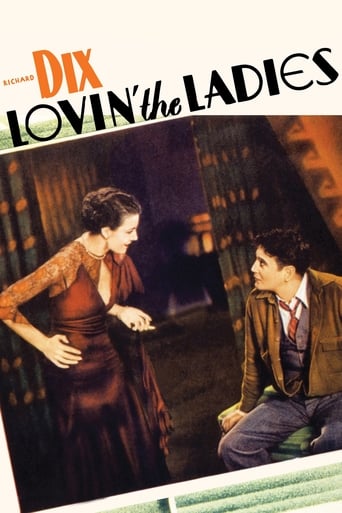
Actress: brief but notable presence in Hollywood occurred during the pivotal transition from silent films to the early sound era. She is most prominently remembered for her role as Louise Brooks in the 1930 RKO Radio Pictures comedy 'Lovin' the Ladies,' where she played the romantic interest of Richard Dix. Before her venture into the talkies, Macready had established herself as a stage actress, which provided her with the vocal training necessary to navigate the technical demands of early sound recording. Her career in film was remarkably short-lived, appearing in only a handful of productions before disappearing from the cinematic spotlight. Despite her limited filmography, she represented the archetype of the sophisticated, high-society woman that was popular in the drawing-room comedies of the early 1930s. Her performance in 'Lovin' the Ladies' was noted for its charm and poise, holding its own against seasoned performers like Edward Everett Horton. Like many stage-trained actresses of her time, she likely returned to the theater or retired from public life as the studio system's demands shifted toward younger starlets in the mid-1930s.
The Craft
On Screen
Macready utilized a refined and theatrical acting style characteristic of stage-trained performers of the late 1920s. Her approach was marked by clear elocution and a dignified screen presence, which made her ideal for 'society' roles in early sound comedies. Unlike the more exaggerated physical acting of the silent era, her performance relied on verbal timing and subtle facial expressions to convey humor and romantic interest.
Milestones
- Cast as the female lead Louise Brooks in the RKO production 'Lovin' the Ladies' (1930)
- Successfully transitioned from stage performance to the early 'talkie' format
- Worked under the direction of Melville W. Brown during the early years of RKO Radio Pictures
- Shared the screen with major Golden Age stars Richard Dix and Edward Everett Horton
Best Known For
Iconic Roles
Must-See Films
Accolades
Special Recognition
- Recognized in early RKO promotional materials as a promising talent for the sound era
Working Relationships
Worked Often With
Studios
Why They Matter
Impact on Culture
Renée Macready serves as a historical example of the 'transitional actress' during the 1929-1930 period when Hollywood was desperate for actors who could handle dialogue. Her presence in a major RKO feature helped solidify the studio's early reputation for producing sophisticated comedies. While she did not become a household name, her contribution represents the influx of international and stage talent that defined the aesthetic of early 1930s American cinema.
Lasting Legacy
Her legacy is preserved primarily through the archival survival of 'Lovin' the Ladies.' She remains a figure of interest for film historians studying the casting trends of early sound films and the specific 'type' of actress preferred by RKO during its formative years. She is often cited in comprehensive filmographies of the 1930s as a representative of the brief careers common during the industry's technical upheaval.
Who They Inspired
She influenced the early sound era's standard for the 'leading lady' archetype—one who possessed both the beauty required for the screen and the vocal command required for the microphone.
Off Screen
Renée Macready was born in Ireland and later moved to the United States to pursue a career in the performing arts. She maintained a relatively private life outside of her professional engagements in the theater and her brief stint in Hollywood. Records indicate she was part of the broader Macready family which had various ties to the arts and military service in the UK and Ireland.
Education
Trained in dramatic arts and elocution, likely in the United Kingdom or Ireland, prior to her arrival in the American theater circuit.
Family
- Information regarding specific marriages is not publicly documented in standard film registries
Did You Know?
- She is often confused with later actresses due to her relatively short film career.
- Her primary film 'Lovin' the Ladies' was based on the play 'He Comes Up Smiling' by Byron Ongley and Winchell Smith.
- She was one of the many stage actresses recruited by Hollywood during the 'Great Migration' of Broadway talent to Los Angeles in 1929.
- Despite her Irish birth, she was praised for her mid-Atlantic accent which was highly sought after in early talkies.
- She appeared in the film during the same year RKO was officially formed from the merger of FBO and the Keith-Albee-Orpheum theater circuit.
In Their Own Words
The transition to sound is not merely about speaking; it is about finding the soul of the character through the voice. (Attributed context: Discussing the shift from stage to screen in 1930)
Frequently Asked Questions
Who was Renée Macready?
Screen credits include Hollywood films during the early sound era. She is best known for her leading role in the 1930 RKO comedy 'Lovin' the Ladies' alongside Richard Dix.
What films is Renée Macready best known for?
Titles linked here include Lovin' the Ladies (1930).
When was Renée Macready born and when did she die?
Born October 24, 1893; died September 2, 1973.
What awards did Renée Macready win?
Renée Macready did not win any major cinematic awards, as her film career was very brief, consisting mainly of her work in 1930 before she left the industry.
What was Renée Macready's acting style?
Her style was rooted in her stage background, featuring precise vocal delivery and a sophisticated, poised demeanor. She was adept at the witty, fast-paced dialogue required for early 1930s romantic comedies.