Films
2 films
About Yevgeni Shneider
Soviet film director active during the early years of World War II, with a brief but notable career in 1941. His work emerged during a critical period in Soviet cinema when filmmakers were mobilized to create propaganda and morale-boosting content following the Nazi invasion of the Soviet Union. Shneider directed two significant films in 1941: 'В тылу врага' (Behind Enemy Lines) and 'Incident on a Volcano', both reflecting the wartime themes and patriotic fervor characteristic of Soviet cinema during this period. His films were created under the state-controlled film industry system, which required directors to align their work with Soviet ideological principles. The extremely limited timeframe of his known filmography (1941 only) suggests his career may have been cut short by the war or other circumstances. Despite his brief output, Shneider contributed to the wartime cinematic effort that helped shape Soviet public opinion and morale during the darkest days of the Great Patriotic War.
The Craft
Behind the Camera
Shneider's directing style reflected the requirements of Soviet wartime cinema, focusing on patriotic themes and propaganda elements typical of films produced during the Great Patriotic War. His work emphasized heroism, sacrifice, and the Soviet struggle against Nazi aggression, aligning with the state's cinematic objectives during this critical period.
Milestones
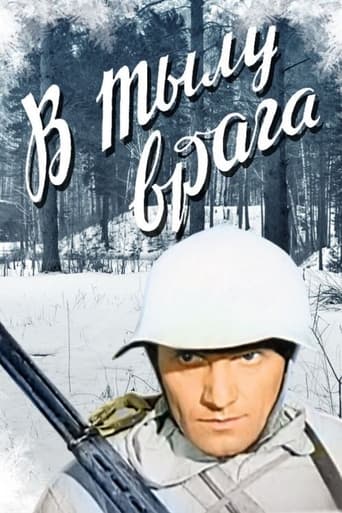
- Directed 'В тылу врага' (Behind Enemy Lines) in 1941
- Directed 'Incident on a Volcano' in 1941
- Contributed to Soviet wartime cinema during WWII
- Created films during the critical early period of the Great Patriotic War
Best Known For
Must-See Films
Working Relationships
Studios
Why They Matter
Impact on Culture
Yevgeni Shneider's work represents the broader Soviet wartime cinema movement that played a crucial role in maintaining public morale and promoting patriotism during the Great Patriotic War. His films, like many produced in 1941, served as both artistic expressions and propaganda tools, helping to shape the Soviet narrative of resistance against Nazi invasion. The timing of his work places him among the first generation of filmmakers to respond cinematically to the crisis of war, contributing to the cinematic foundation that would support Soviet society through the darkest days of the conflict.
Lasting Legacy
While Yevgeni Shneider's legacy is limited by his brief filmography, his work remains part of the historical record of Soviet wartime cinema. His films serve as artifacts of their time, reflecting the immediate artistic response of Soviet filmmakers to the Nazi invasion. The existence of his two 1941 films demonstrates the rapid mobilization of the Soviet film industry for wartime purposes and provides insight into the types of narratives being produced during this critical historical moment.
Who They Inspired
Given the brevity of his career and the limited documentation of his work, Yevgeni Shneider's direct influence on other filmmakers appears to have been minimal. However, as part of the collective Soviet wartime cinema effort, his work contributed to the broader stylistic and thematic approaches that would characterize Soviet war films throughout the 1940s. His films exemplify the immediate shift in Soviet cinematic priorities following the German invasion, influencing how subsequent directors would approach wartime subject matter.
Off Screen
Very limited information is available about Yevgeni Shneider's personal life. As a Soviet filmmaker working during the early 1940s, his life would have been deeply affected by the outbreak of World War II and the subsequent Nazi invasion of the Soviet Union in June 1941. The abrupt end to his known filmography suggests he may have been mobilized for military service or his career was otherwise interrupted by the war.
Did You Know?
- Shneider's entire known filmography consists of just two films from 1941
- His films were produced during the first year of the Great Patriotic War (WWII)
- The Russian title 'В тылу врага' translates to 'Behind Enemy Lines' in English
- His career coincided with the Nazi invasion of the Soviet Union in June 1941
- Soviet filmmakers of this period were often mobilized for military service or war work
- The Soviet film industry was completely state-controlled during Shneider's active period
- 1941 was a critical year for Soviet cinema as studios evacuated eastward away from the front lines
- Wartime films from 1941 are relatively rare due to the chaos of the invasion and subsequent evacuation
Frequently Asked Questions
Who was Yevgeni Shneider?
Soviet on YTB.my. His work was part of the Soviet wartime cinema effort that produced propaganda and morale-boosting films during the Great Patriotic War.
What films is Yevgeni Shneider best known for?
Titles linked here include В тылу врага (Behind Enemy Lines, 1941), Incident on a Volcano (1941).
When was Yevgeni Shneider active as a director?
Yevgeni Shneider's known film career was extremely brief, spanning only the year 1941. His entire filmography consists of two films from that year, suggesting his career may have been interrupted by World War II.
What was the context of Shneider's films?
Shneider's films were created during the first year of the Great Patriotic War, following the Nazi invasion of the Soviet Union in June 1941. They reflect the immediate cinematic response to the crisis and the Soviet film industry's mobilization for wartime purposes.
Why is there limited information about Yevgeni Shneider?
Information about Shneider is scarce due to his brief career, the chaos of World War II, and the limited documentation of Soviet filmmakers from this period. Many records may have been lost or are difficult to access from this tumultuous time in Soviet history.