Films
2 films
About Ikkō Ōkuni
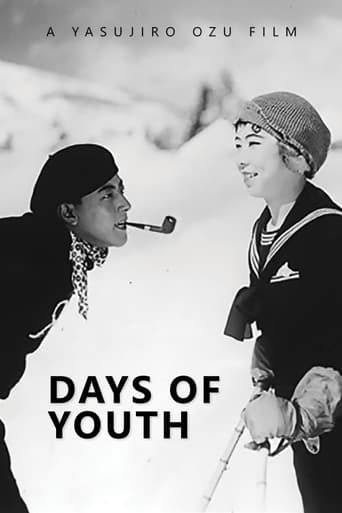
Ikkō Ōkuni worked on one surviving credit: Days of Youth (1929). His known film work consists of a single appearance in Yasujirō Ozu's early film 'Days of Youth' (1929), which was one of Ozu's first directorial efforts. Like many actors from this period of Japanese film history, particularly those in supporting roles, detailed records of his career and life are scarce. The film industry in Japan during the 1920s was still developing its documentation practices, and many performers who worked briefly during this time have left minimal traces in historical records. His appearance in 'Days of Youth' represents his entire known filmography, suggesting either a very brief acting career or possibly work primarily in other theatrical mediums that were not well-documented.
The Craft
Milestones
- Appeared in Yasujirō Ozu's early silent film 'Days of Youth' (1929)
Best Known For
Must-See Films
Working Relationships
Worked Often With
Why They Matter
Impact on Culture
Ikkō Ōkuni's contribution to cinema, while minimal in scope, is part of the broader tapestry of early Japanese film history. His appearance in 'Days of Youth' connects him to the early career of Yasujirō Ozu, who would become one of Japan's most celebrated directors. Actors from this period, even those with brief careers, helped establish the foundation of Japanese cinema's golden age that would follow in subsequent decades.
Lasting Legacy
Due to the extremely limited documentation of actors from early Japanese cinema, particularly those with brief careers, Ikkō Ōkuni's legacy is primarily preserved through his single known film appearance. His work serves as a historical artifact representing the early days of Japanese cinema and the many performers who contributed to its development, even if their names and careers were not extensively recorded.
Who They Inspired
With only one known film credit, there is no documented evidence of Ikkō Ōkuni's influence on other actors or filmmakers. His legacy exists mainly as part of the ensemble that helped create early Japanese cinema during its formative years.
Off Screen
Very little information is available about Ikkō Ōkuni's personal life, which is common for actors from this era of Japanese cinema who had brief careers or appeared in only a few films.
Did You Know?
- Appeared in one of Yasujirō Ozu's earliest directorial efforts
- 'Days of Youth' (1929) was only Ozu's second film as a director
- The film is now considered lost, like many early Japanese films from this period
- Early Japanese cinema records from the 1920s are often incomplete, especially for supporting actors
- The lack of information about Ōkuni is typical for many actors who worked briefly during Japan's silent film era
Frequently Asked Questions
Who was Ikkō Ōkuni?
Screen credits include only one known film, Yasujirō Ozu's 'Days of Youth' (1929). Very little is documented about his life or career, which is common for actors from this period of early Japanese cinema.
What films is Ikkō Ōkuni best known for?
Titles linked here include Days of Youth (1929).
When was Ikkō Ōkuni born and when did they die?
Birth and death dates for Ikkō Ōkuni are not documented in available historical records, which is unfortunately common for many actors from early Japanese cinema, especially those with brief careers.
What awards did Ikkō Ōkuni win?
There are no recorded awards or nominations for Ikkō Ōkuni, which is typical for supporting actors from the early Japanese film industry when formal award systems were not yet established.
What was Ikkō Ōkuni's acting style?
Due to the lack of surviving films and documentation about Ikkō Ōkuni's work, his specific acting style cannot be determined. The film he appeared in, 'Days of Youth,' is now considered lost.