

Days of Youth
"The film tells of two friends from a university who vie for the attention of the same gi"
Keys: Space play/pause · ←/→ 10s · F fullscreen · M mute · </> speed
About this film
It is the oldest known surviving film by the director. The film tells of two friends from a university who vie for the attention of the same girl during a skiing trip.
Cast & crew
More films like this
More Comedy films
View all →







More from Yasujirō Ozu
View all →
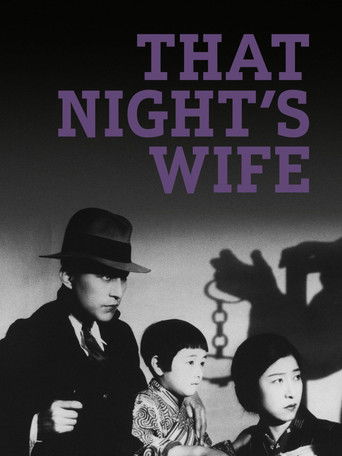
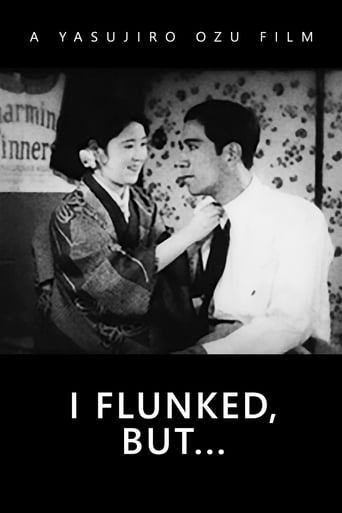
More about this film
About the production
Release dateSeptember 13, 1929
BudgetNot documented for this early Japanese silent film
Box officeBox office records not maintained for Japanese films of this era
ProductionShochiku Studios
Filmed inShochiku Studios, Tokyo, Mount Zao (skiing scenes), Kamakura, Japan
This was one of Ozu's earliest surviving works, made during his apprenticeship period at Shochiku. The film was shot during winter months to capture authentic skiing sequences, which was challenging for the cast and crew given the limited technology of the time. The skiing scenes were particularly innovative for Japanese cinema, requiring special equipment and techniques to film on snow. Ozu was still developing his distinctive style, and the film shows influences from American comedies while beginning to show his unique perspective on Japanese society.
Themes
Friendship and rivalryYouthful romanceComing of ageModernization vs. traditionCollege life
Themes & topics
college studentsskiinglove trianglefriendshipcompetitionwinter sportsromantic rivalryyouthcomedysilent film
Historical background
Days of Youth (1929) circulated in the silent era. It is the oldest known surviving film by the director. Contemporary trade papers and later preservation notes document its place among nickelodeon and cinema-club programs.
Why this film matters
Days of Youth remains accessible to researchers and viewers as a comedy short in museum, archive, and streaming collections. Programmers cite it when tracing regional production history and surviving early prints.
Making of
Days of Youth was produced during Ozu's formative years at Shochiku Studios, where he had worked his way up from assistant director. The film was part of a series of student comedies and youth dramas that Ozu directed in the late 1920s. The skiing scenes presented particular challenges, as the cast had to learn to ski for the film, and the camera equipment of the era was difficult to operate in cold, snowy conditions. Ozu collaborated with cinematographer Hideo Shigehara, who would become one of his key collaborators. The film's production reflected the studio's strategy of creating films that would appeal to younger audiences and Japan's growing middle class. During filming, Ozu was already developing his meticulous approach to composition, though his later distinctive low camera angles were not yet fully established.
What critics said
Day-one reviews for Days of Youth are sparse in digitized press archives; later criticism treats it as a reference point for 1929 cinema programming and preservation.
Did you know?
- This is the earliest surviving complete film directed by Yasujirō Ozu, though it was not his first film as a director
- The film was originally titled 'Wakaki Hi' in Japanese, which translates to 'Young Days' or 'Days of Youth'
- Ozu was only 26 years old when he directed this film, early in his career at Shochiku Studios
- The skiing sequences were among the first winter sports scenes ever filmed in Japanese cinema
- The film was considered lost for many years before a print was discovered and preserved
- Ozu's famous 'pillow shots' - still images between scenes - are beginning to develop in this early work
- The film showcases Ozu's early interest in the lives of young people and their romantic entanglements
- Like many Japanese silent films, it would have been accompanied by a live benshi narrator during original screenings
- The film's comedic elements show the influence of American silent comedies that Ozu admired
- This was one of the last films Ozu made before his distinctive style fully matured in the 1930s
Visual style
The cinematography in Days of Youth was handled by Hideo Shigehara, who would become one of Ozu's most important collaborators. While not yet displaying the fully matured Ozu style, the film shows early experimentation with composition and camera placement. The skiing sequences required innovative techniques to capture movement on snow, using tracking shots and dynamic angles that were relatively advanced for Japanese cinema of the period. The film employs a mix of studio sets and location filming, with the outdoor scenes providing a visual contrast to the interior sequences. The cinematography reflects the influence of American silent comedies in its approach to visual storytelling, though it also begins to show the more contemplative, observational style that would become Ozu's trademark.
Innovations
Days of Youth achieved several technical milestones for its time in Japanese cinema. The filming of skiing sequences represented a significant technical challenge, requiring specialized equipment and techniques to operate cameras in cold, snowy conditions. The successful integration of location filming with studio work demonstrated the growing sophistication of Japanese film production. The film's preservation and restoration have also been technically noteworthy, allowing modern audiences to experience this rare early work. While not as technically innovative as some contemporary films, it demonstrated solid craftsmanship and the growing technical capabilities of the Japanese film industry during the late 1920s.
Music
As a silent film, Days of Youth did not have an original recorded soundtrack. During its original theatrical run, the film would have been accompanied by live musical performance, typically a piano or small ensemble, and most importantly, a benshi narrator who would provide voice-over narration, character voices, and commentary. The benshi tradition was a crucial element of Japanese silent cinema, with some narrators becoming as famous as the actors themselves. The musical accompaniment would have consisted of popular songs of the era, classical pieces, and improvisational music that matched the on-screen action and emotional tone. Modern screenings of the restored film typically feature newly composed scores or carefully selected period-appropriate music.
Famous quotes
As a silent film, dialogue was conveyed through intertitles and visual storytelling rather than spoken quotes
Memorable scenes
- The skiing competition sequence where Watanabe and Yamamoto race to impress Chieko, showcasing impressive early winter sports cinematography
- The scene where both friends unknowingly plan to meet Chieko at the same location, leading to comic confusion
- The final resolution where the friends discover their rivalry and must choose between their friendship and their romantic pursuits
What audiences thought
Original audience reception for Days of Youth was reportedly positive, particularly among younger viewers who could relate to the college setting and romantic themes. The film's skiing sequences were especially popular, as winter sports were relatively new and exciting to Japanese audiences of the time. The comedy elements and the relatable story of friendship and rivalry resonated with urban audiences. Like many silent films, the experience would have been enhanced by live benshi narration, which added cultural context and emotional depth to the viewing experience. Modern audiences who have seen the film through retrospectives and restorations generally appreciate it as a fascinating early work by a master director, though its entertainment value for contemporary viewers may be limited by its age and silent format.
Film connections
Influenced by
- American silent comedies
- Harold Lloyd films
- Buster Keaton
- Charlie Chaplin
- German expressionist cinema
- Contemporary Japanese student films
This film influenced
- I Graduated, But... (1929)
- I Flunked, But... (1930)
- The Lady and the Beard (1931)
- I Was Born, But... (1932)
- A Mother Should be Loved (1934)
Film restoration
Days of Youth is considered a preserved film, though it was believed lost for many years before a print was discovered. The film has been restored and is part of the collection of major film archives, including the National Film Center of Japan. The restoration has allowed the film to be included in retrospectives of Ozu's work and early Japanese cinema. While not complete in all versions, enough of the film survives to provide a comprehensive view of Ozu's early directorial style.
Where to watch
- The Criterion Collection (as part of Ozu box sets)
- BFI Player
- Mubi (during special retrospectives)
- Film archives and museums
- Specialized streaming services focusing on classic cinema
- DVD/Blu-ray releases from Criterion and other specialty labels