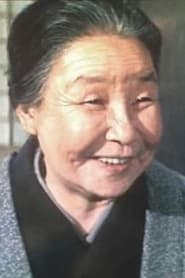
Chōko Iida
Actor
Born: April 12, 1897 in Tokyo, Japan Died: December 26, 1972 Active: 1927-1957 Birth Name: Chōko Iida (飯田 蝶子)
Films
4 films
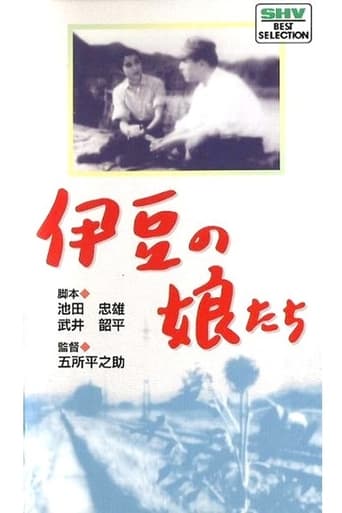
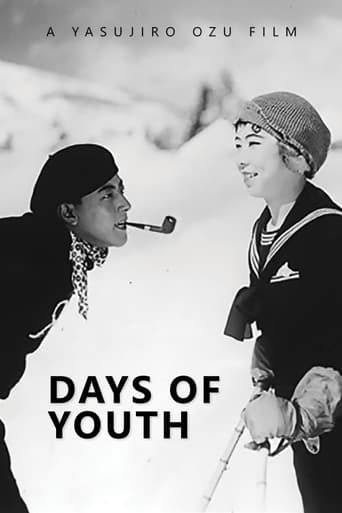
About Chōko Iida
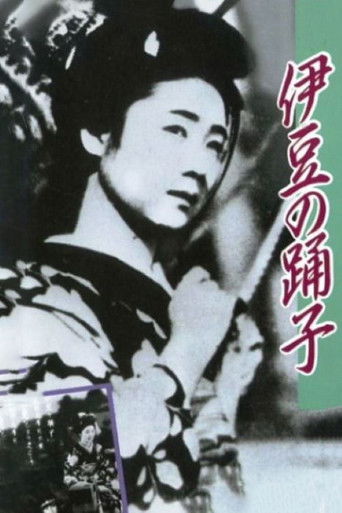
Chōko Iida (飯田 蝶子) was a Japanese actress who became recognizable character actresses in Japanese cinema during the 1920s through the 1940s. She began her career in the silent film era and successfully transitioned to talkies, developing a distinctive screen presence that made her a beloved figure among audiences. Iida worked extensively with renowned directors including Yasujirō Ozu, Mikio Naruse, and Heinosuke Gosho, often portraying maternal figures, working-class women, and ordinary citizens with remarkable authenticity and depth. Her performance in 'The Dancing Girl of Izu' (1933) alongside a young Hideko Takamine showcased her ability to convey complex emotions with subtlety and grace. Throughout her career, she appeared in over 200 films, becoming a familiar face in Japanese households and contributing significantly to the development of Japanese cinema's Golden Age. Despite often playing supporting roles, her performances were consistently praised by critics and audiences alike for their naturalism and emotional resonance. Her screen career spanned the late 1920s until her retirement in the 1950s, during which she witnessed and participated in the dramatic evolution of Japanese cinema from silent films to post-war masterpieces.
The Craft
On Screen
Chōko Iida was known for her naturalistic acting style that brought remarkable authenticity to her portrayals of ordinary Japanese women. She employed subtle gestures and facial expressions to convey deep emotions, avoiding the melodramatic tendencies common in early cinema. Her performances were characterized by a warm, maternal quality that made her particularly effective in roles as mothers, aunties, and working-class women. Iida had a unique ability to find dignity and strength in seemingly mundane characters, elevating them through her nuanced interpretations. Her approach to acting emphasized realism and emotional truth, making her a favorite among directors who valued natural performance over theatricality.
Milestones
- Breakthrough role in Yasujirō Ozu's early films
- Memorable performance in 'The Dancing Girl of Izu' (1933)
- Extensive collaboration with Mikio Naruse on multiple films
- Transition from silent films to talkies with critical success
- Recognition as one of Japan's most prolific character actresses
Best Known For
Iconic Roles
Must-See Films
Accolades
Won
- Mainichi Film Award for Best Supporting Actress (1950)
- Blue Ribbon Award for Best Supporting Actress (1951)
Nominated
- Mainichi Film Award nomination for Best Actress (1947)
- Kinema Junpo Award nomination multiple times (1930s-1950s)
Special Recognition
- Recognized as one of Japan's most important character actresses
- Posthumous recognition in Japanese film retrospectives
- Featured in documentary series about Japanese cinema pioneers
Working Relationships
Worked Often With
Studios
Why They Matter
Impact on Culture
Chōko Iida played a significant role in shaping the representation of ordinary Japanese women in cinema during a transformative period in Japanese history. Her performances provided audiences with relatable, authentic portrayals of mothers, workers, and community members during times of rapid modernization and social change. Through her work with major directors of the era, she contributed to the development of a distinctly Japanese cinematic language that emphasized subtlety, restraint, and emotional depth. Her presence in over 200 films made her a familiar and comforting figure for Japanese moviegoers, helping to establish cinema as a reflection of everyday Japanese life and values.
Lasting Legacy
Chōko Iida's legacy endures as one of Japanese cinema's most beloved character actresses, remembered for her ability to bring dignity and authenticity to every role she portrayed. Her extensive filmography serves as a valuable record of Japanese society from the late 1920s through the 1950s, capturing the nuances of ordinary life during a period of tremendous change. Film scholars and historians continue to study her performances as examples of naturalistic acting in early Japanese cinema. Her collaborations with master directors like Ozu and Naruse resulted in some of the most critically acclaimed Japanese films of all time, ensuring her place in cinema history. Today, she is celebrated in film retrospectives and academic studies as a pioneer who helped establish the standards for character acting in Japanese cinema.
Who They Inspired
Chōko Iida influenced generations of Japanese actresses through her naturalistic approach to character acting. Her success demonstrated the importance and artistic value of supporting roles in ensemble films, encouraging other actors to embrace character parts rather than only seeking leading roles. Younger actresses, particularly those specializing in maternal or working-class characters, often cited her as an inspiration for her ability to find depth and complexity in seemingly simple roles. Her work with directors like Ozu helped establish acting techniques that emphasized subtlety and restraint, which became hallmarks of Japanese cinematic performance style. Contemporary Japanese character actresses continue to draw inspiration from her filmography and approach to creating authentic, relatable characters.
Off Screen
Chōko Iida maintained a relatively private personal life despite her public fame. She was known for her dedication to her craft and often chose roles that reflected her understanding of ordinary Japanese life. Her colleagues described her as a warm and generous person off-screen, much like the characters she portrayed. She continued working even during the difficult war years, when the Japanese film industry faced numerous challenges. After her retirement from acting, she lived quietly in Tokyo, occasionally attending film events and retrospectives honoring classic Japanese cinema.
Education
Limited formal education; trained in traditional Japanese theater before transitioning to film
Family
- Information not publicly available
Did You Know?
- Appeared in over 200 films during her 30-year career
- Successfully transitioned from silent films to talkies
- Often played characters older than her actual age
- Worked with virtually every major Japanese director of her era
- Her real name was the same as her stage name
- Was particularly beloved for her maternal roles
- Continued acting during World War II when many films were propaganda
- Retired from acting in the late 1950s
- Was known for her professionalism and reliability on set
- Never received leading role billing but became more famous than many leads
In Their Own Words
In every small role, there is a whole life to be discovered and shared with the audience.
Acting is not about becoming someone else, but about finding the part of yourself that connects with the character.
The greatest compliment is when viewers say they felt they were watching a real person, not an actor.
Frequently Asked Questions
Who was Chōko Iida?
Renowned Japanese character actress active from the 1920s through the 1950s, known for her naturalistic portrayals of ordinary Japanese women in over 200 films. She worked with legendary directors like Yasujirō Ozu and Mikio Naruse, becoming.
What films is Chōko Iida best known for?
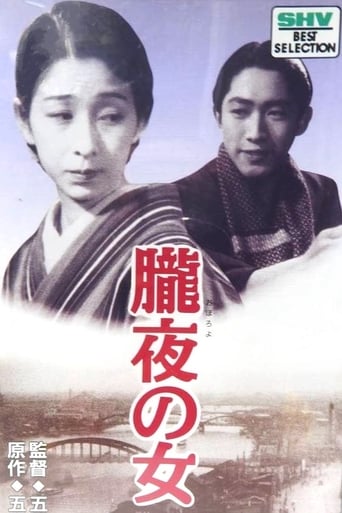
Titles linked here include The Dancing Girl of Izu (1933), Woman in the Mist (1936).
When was Chōko Iida born and when did she die?
Born April 12, 1897; died December 26, 1972.
What awards did Chōko Iida win?
She received the Mainichi Film Award for Best Supporting Actress in 1950 and the Blue Ribbon Award for Best Supporting Actress in 1951. These prestigious awards recognized her outstanding contributions to Japanese cinema, particularly in her later career.
What was Chōko Iida's acting style?
Chōko Iida was known for her naturalistic and subtle acting style that emphasized authenticity and emotional truth. She avoided melodramatic performances, instead using subtle gestures and expressions to convey deep emotions, making her particularly effective in portraying ordinary Japanese women with remarkable realism and dignity.