
Woman in the Mist
"Mother asks her brother to counsel a drifting son"
Keys: Space play/pause · ←/→ 10s · F fullscreen · M mute · </> speed
About this film
Otoku asks her brother Bunkichi to speak with her son Seiichi, a young man for whom sacrificed everything but who now seems to be headed for a wastrel life. Bunkichi admonishes the boy to study harder, but it seems his uncle's advice may already be too late.
Cast & crew
More films like this
More Drama films
View all →







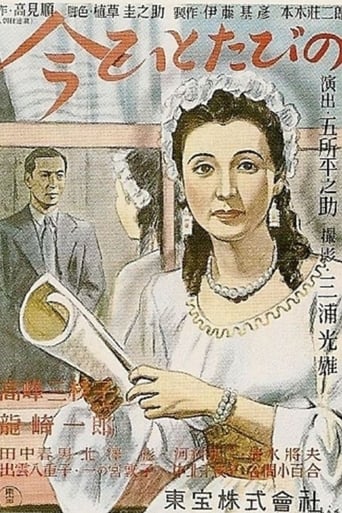
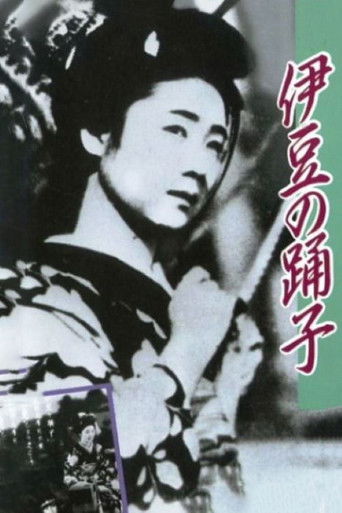
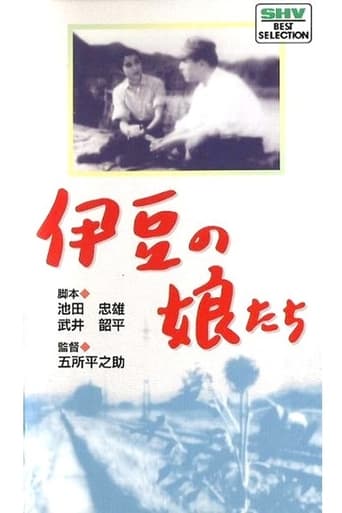
More from Heinosuke Gosho
View all →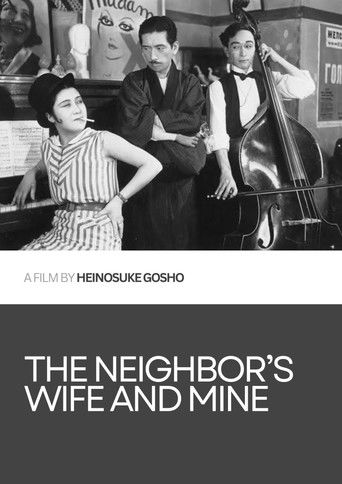
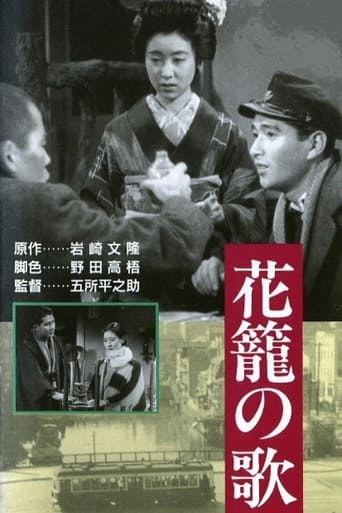
More about this film
About the production
Release date1936-06-18
ProductionShochiku Studios
Filmed inJapan
This film was produced during a significant period in Japanese cinema when sound technology was becoming more established, allowing for more nuanced dialogue-driven storytelling. The production took place during a time of increasing social and political tensions in Japan, which influenced the themes of family responsibility and generational conflict explored in the film.
Themes
Parental sacrificeGenerational conflictFamily responsibilityComing of ageSocial change
Themes & topics
Historical background
Made during the studio era of 1936, Woman in the Mist reached audiences through theatrical programs, fairground booths, or specialized distribution channels typical of its generation. Otoku asks her brother Bunkichi to speak with her son Seiichi, a young man for whom sacrificed everything but who now. Historians now read such works for what they reveal about production methods, national taste, and the expanding vocabulary of screen narrative.
Why this film matters
Archivists and programmers still screen Woman in the Mist when tracing how popular entertainment evolved. Its subject—otoku asks her brother bunkichi to speak with her son seiichi, a young man for whom sacrificed—gives later viewers tangible evidence of what drew crowds in its day. Home video, restorations, and festival sidebars keep the title circulating among students of film history.
Making of
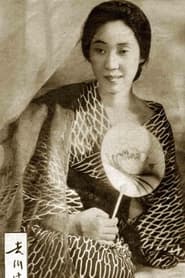
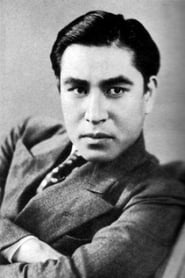
The production of 'Woman in the Mist' took place during a crucial period in Japanese film history when the industry was transitioning to sound technology. Director Heinosuke Gosho, who had already established himself as a prominent filmmaker at Shochiku Studios, was known for his meticulous attention to detail and his ability to work closely with actors to achieve authentic performances. The casting of Toshiko Iizuka as Otoku was significant, as she brought a naturalistic quality to the role of the sacrificing mother that resonated with Japanese audiences of the time. Shin Tokudaiji's portrayal of the wayward son Seiichi required a delicate balance between youthful rebellion and underlying vulnerability, a challenge he met through extensive preparation and collaboration with Gosho. Veteran actress Chōko Iida brought her considerable experience to the production, having already appeared in dozens of films by this point in her career. The film's production was influenced by the growing trend in Japanese cinema toward more realistic, socially conscious storytelling that reflected the changing dynamics of Japanese family life during the period of modernization and Westernization.
What critics said
Original trade coverage treated Woman in the Mist as routine program filler rather than a landmark production—typical of steady studio output. Later criticism emphasizes preservation, stylistic comparison with contemporaries, and whatever cast or crew names later gained prominence. Contemporary writing is mostly historical: assessing completeness, influence, and place in a director's or studio's catalog.
Did you know?
- This film is considered one of Heinosuke Gosho's lesser-known works from his prolific period in the 1930s
- The film was released during a transitional period in Japanese cinema when studios were moving from silent films to sound productions
- Chōko Iida, who plays a role in this film, was especially prolific character actresses in Japanese cinema history, appearing in over 300 films
- Director Heinosuke Gosho was known for his ability to blend social commentary with intimate family dramas
- The film's themes of parental sacrifice and generational conflict were common in Japanese cinema of the 1930s, reflecting societal concerns about modernization and changing family values
- Like many Japanese films from this era, the original negative may have been lost or destroyed during World War II
- Gosho was particularly skilled at directing actresses, and this film showcases his ability to elicit nuanced performances from his cast
- The film was produced by Shochiku, one of Japan's oldest and most influential film studios
- 1936 was a particularly productive year for Gosho, who directed multiple films that explored similar themes of family and social responsibility
Visual style
The cinematography of 'Woman in the Mist' reflects the transitional period in Japanese film technology, incorporating techniques from both late silent cinema and early sound film production. The visual style emphasizes naturalistic lighting and composition to create an intimate, documentary-like feel that enhances the film's realistic portrayal of family life. The camera work is characterized by relatively static shots and careful framing that focuses attention on the actors' expressions and subtle emotional nuances. The use of close-ups is particularly effective in conveying the inner turmoil of the characters, especially the mother's growing desperation and the son's conflicted feelings. The film's visual language avoids the dramatic camera movements and elaborate lighting setups that characterized some contemporary Japanese productions, instead opting for a more restrained approach that serves the story's realistic tone. The cinematography also makes effective use of domestic spaces, using the physical environment of the family home to reflect the emotional states of the characters and the tensions within the family dynamic.
Innovations
The film demonstrates several technical achievements typical of Japanese cinema's transition to sound during the mid-1930s. The production successfully integrated dialogue recording with visual storytelling, showing how Japanese filmmakers were adapting their techniques to the new technology while maintaining their distinctive cinematic style. The sound recording techniques used in the film, while limited by the technology of the period, represent an important step forward in the development of Japanese cinema's audio capabilities. The film's editing effectively balances dialogue scenes with visual storytelling, demonstrating how filmmakers were learning to pace sound films differently from their silent predecessors. The production also showcases advances in location filming and the use of realistic sets that create authentic domestic environments, contributing to the film's naturalistic tone. The technical team's ability to capture subtle performances through both visual and audio means represents an important achievement in early Japanese sound cinema. The film's preservation of visual clarity and audio coherence, despite the technical challenges of the era, testifies to the skill of the production crew and the growing sophistication of Japanese film technology.
Music
As an early sound film, 'Woman in the Mist' features a soundtrack that combines dialogue, music, and sound effects to enhance the emotional impact of the story. The musical score, typical of Japanese films of this period, likely incorporates traditional Japanese instruments alongside Western orchestral elements to create a sound that reflects the cultural tensions explored in the narrative. The film's sound design emphasizes naturalistic audio that supports the realistic portrayal of family life, with careful attention to ambient sounds that create a sense of authentic domestic space. The dialogue recording, using the sound technology available in 1936, captures the nuances of the actors' performances, though the technical limitations of the era may have required some compromises in audio quality. The musical cues are used sparingly but effectively, underscoring key emotional moments without overwhelming the naturalistic tone of the film. The soundtrack represents an important example of how Japanese filmmakers were adapting to sound technology while maintaining the aesthetic principles of their earlier silent work.
Famous quotes
A mother's love is the only thing that can save a wayward son, but what happens when even that is not enough?
Study harder, Seiichi. Your mother has sacrificed everything for your future, and you are throwing it all away.
Sometimes the hardest lessons in life come too late, and the damage cannot be undone.
In this world, a mother's sacrifice is like mist - beautiful to see, but impossible to hold.
Memorable scenes
- The pivotal confrontation scene where Uncle Bunkichi admonishes Seiichi about his wasteful ways, capturing the tension between traditional authority and youthful rebellion. The emotional climax where Otoku realizes her lifelong sacrifices may have been in vain, portrayed with heartbreaking subtlety by Toshiko Iizuka. The opening sequence establishing the family dynamics and setting up the central conflict between maternal devotion and filial irresponsibility.
What audiences thought
The film appears to have resonated well with Japanese audiences in 1936, who found the story of parental sacrifice and family conflict relatable and emotionally engaging. The themes of the film struck a chord with viewers during a period when many families were experiencing similar tensions between traditional values and modern influences. Audience response was particularly positive toward the performances, with Toshiko Iizuka's portrayal of the self-sacrificing mother receiving special praise for its authenticity and emotional depth. The film's exploration of the challenges of raising children in changing times spoke directly to the concerns of many parents in 1930s Japan. While the film may not have achieved blockbuster status, it contributed to the growing appreciation for realistic, socially conscious cinema among Japanese moviegoers. The emotional climax of the film, where the mother realizes her sacrifices may have been in vain, reportedly moved audiences deeply and sparked discussions about family responsibility and generational understanding. The film's reception helped reinforce the popularity of the shomin-geki genre and demonstrated the commercial viability of films that focused on the lives of ordinary Japanese people.
Film connections
Influenced by
- Japanese shomin-geki tradition
- Western realist cinema
- Japanese literary family drama tradition
- Social realist theater
- Silent film melodrama techniques
This film influenced
- Later Japanese family dramas
- Post-war Japanese cinema's focus on ordinary people
- Contemporary Japanese television family dramas
Film restoration
The preservation status of 'Woman in the Mist' is uncertain, which is common for Japanese films from this period. Many Japanese films from the 1930s were lost due to various factors including wartime destruction, poor storage conditions, and the fragility of early film stock. Some sources suggest that copies may exist in film archives, possibly in incomplete or deteriorated condition. The film's survival would be significant for film historians studying Heinosuke Gosho's work and the development of Japanese cinema during this transitional period. Restoration efforts for Japanese films of this era are ongoing, but the process is challenging and expensive. The film's current accessibility for viewing is limited, which contributes to its relative obscurity compared to Gosho's better-known works from the same period.
Where to watch
- Currently, there are no widely accessible streaming or home video releases of 'Woman in the Mist' available to the general public. The film may be accessible through specialized film archives, cinematheques, or academic institutions that maintain collections of classic Japanese cinema. Film enthusiasts interested in viewing this rare film should contact film preservation organizations or Japanese film studies departments at universities. Occasionally, rare Japanese films from this period are shown at film festivals or special retrospectives dedicated to classic Japanese cinema or the work of Heinosuke Gosho. The film's limited availability reflects the broader challenge of accessing and preserving Japanese cinema from the 1930s, many of which remain difficult for contemporary audiences to experience.