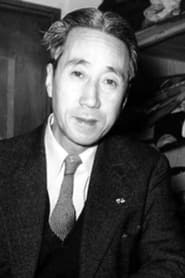
Heinosuke Gosho
Director
Born: February 1, 1902 in Tokyo, Japan Died: May 1, 1981 Active: 1925-1968
Films
6 films
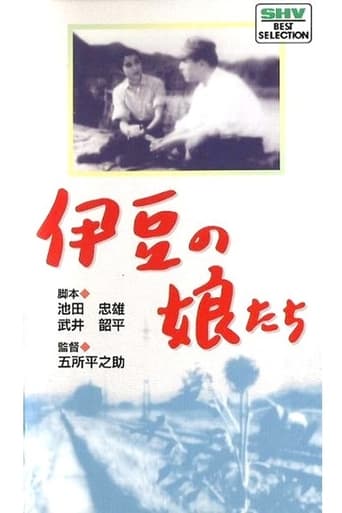
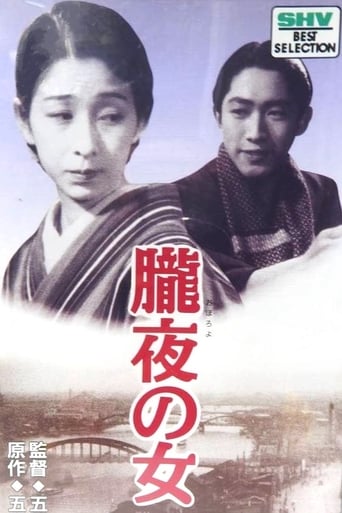
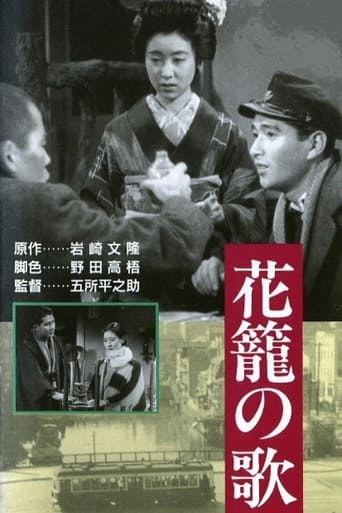
About Heinosuke Gosho
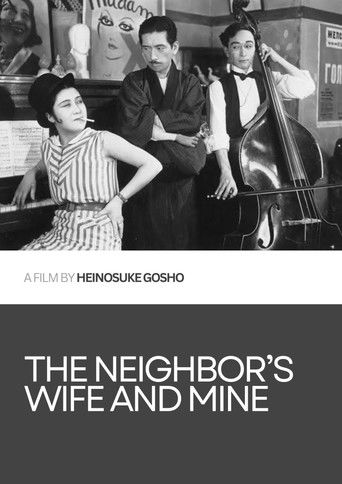
Japanese film director who in the development of Japanese cinema during its formative years. He began his career at Shochiku Studios in the 1920s, initially working as an assistant director before making his directorial debut. Gosho gained international acclaim with his 1931 film 'The Neighbour's Wife and Mine,' which is widely considered one of the first Japanese sound films and a masterpiece of early Japanese cinema. Throughout the 1930s and 1940s, he established himself excelled in both comedy and social drama, often exploring themes of everyday life with remarkable sensitivity and realism. His work during World War II, while constrained by censorship, still managed to maintain artistic integrity and humanistic values. After the war, Gosho continued to direct films well into the 1960s, adapting to changing times while preserving his distinctive cinematic voice. He was particularly known for his ability to blend humor with pathos, creating films that were both entertaining and deeply meaningful.
The Craft
Behind the Camera
Gosho was renowned for his humanistic approach to filmmaking, focusing on the everyday lives of ordinary people with remarkable empathy and humor. His directing style combined documentary-like realism with subtle comedy, often finding beauty in mundane situations. He was particularly skilled at working with actors, eliciting naturalistic performances that brought authenticity to his characters. Gosho's visual style was characterized by fluid camera movements and careful composition, influenced by both Japanese theatrical traditions and Western cinema techniques.
Milestones
- Directed Japan's first successful talkie 'The Neighbour's Wife and Mine' (1931)
- Pioneered the shomin-geki (genre focusing on middle-class life) in Japanese cinema
- Won the Kinema Junpo Award for Best Director multiple times
- Served as president of the Directors Guild of Japan
- International recognition at Venice and Cannes Film Festivals
Best Known For
Must-See Films
Accolades
Won
- Kinema Junpo Award for Best Director (1933)
- Kinema Junpo Award for Best Director (1953)
- Blue Ribbon Award for Best Director (1953)
- Mainichi Film Award for Best Director (1957)
- Order of the Sacred Treasure (1972)
Nominated
- Venice Film Festival Golden Lion (1953) for 'An Inn at Osaka'
- Cannes Film Festival Grand Prize (1957) for 'The Yellow Crow'
Special Recognition
- Person of Cultural Merit (1972)
- Japanese Academy Award for Lifetime Achievement (posthumously)
- Retrospective at Museum of Modern Art, New York (1985)
Working Relationships
Worked Often With
Studios
Why They Matter
Impact on Culture
Heinosuke Gosho fundamentally shaped the development of Japanese cinema by helping establish the shomin-geki genre, which focused on the lives of ordinary middle-class citizens. His 1931 film 'The Neighbour's Wife and Mine' was groundbreaking as one of Japan's first successful sound films, demonstrating that dialogue could enhance rather than diminish the visual storytelling traditions of Japanese cinema. Gosho's humanistic approach influenced generations of Japanese filmmakers, showing how everyday life could be portrayed with both humor and profound emotional depth. His work helped establish Japanese cinema's international reputation for combining technical excellence with deep cultural authenticity.
Lasting Legacy
Gosho's legacy endures through his extensive filmography of over 80 films, many of which are considered classics of Japanese cinema. He is remembered excelled in both comedy and drama, capable of finding universal truths in the minutiae of daily life. His influence can be seen in the work of later Japanese directors like Shohei Imamura and Juzo Itami, who also focused on ordinary people with affectionate realism. Film scholars continue to study Gosho's techniques for blending social commentary with entertainment, and his films are regularly featured in retrospectives at major international film festivals and cinematheques.
Who They Inspired
Gosho influenced Japanese cinema by demonstrating that commercial films could also be artistically significant and socially relevant. His approach to sound recording in early talkies influenced how Japanese directors integrated dialogue with traditional visual storytelling. His focus on middle-class life paved the way for later directors to explore contemporary Japanese society without resorting to period pieces or samurai dramas. International filmmakers, particularly those interested in humanist cinema, have drawn inspiration from Gosho's ability to find drama and humor in ordinary situations.
Off Screen
Heinosuke Gosho came from a middle-class Tokyo family and showed an early interest in the arts. He married early and had a supportive family life that influenced his films' focus on domestic themes. Despite the demands of his career, Gosho maintained a reputation for being a thoughtful and kind individual who treated his cast and crew with respect. His personal experiences during World War II deeply affected his worldview and later filmmaking, though he rarely spoke publicly about these hardships.
Education
Keio University (studied economics, did not graduate)
Family
- Fumiko Kojima (1926-1981)
Did You Know?
- His 1931 film 'The Neighbour's Wife and Mine' was Japan's first commercial sound film success
- Gosho was one of the few directors who successfully transitioned from silent to sound films in Japan
- He served as president of the Directors Guild of Japan from 1950 to 1955
- During WWII, he was forced to make propaganda films but managed to insert subtle humanistic elements
- His films were often censored by both pre-war and post-war authorities for different reasons
- Gosho — close friend and collaborator of Yasujiro Ozu early in their careers
- He was one of the first Japanese directors to gain recognition at major European film festivals
- Many of his films were lost during WWII bombing raids on Tokyo
- He was known for his ability to complete films quickly and under budget
- Gosho mentored numerous younger directors who later became major figures in Japanese cinema
In Their Own Words
The camera should be like a quiet observer, watching life unfold without interfering.
In the laughter of ordinary people, I find the most profound truths about human existence.
A film should be like a good conversation - it should entertain you while making you think.
The most dramatic moments in life are often the ones that happen in complete silence.
Cinema is not about showing life as it is, but about revealing the poetry hidden within it.
Frequently Asked Questions
Who was Heinosuke Gosho?
Japanese on YTB.my. He directed Japan's first successful sound film and helped establish the shomin-geki genre focusing on middle-class society.
What films is Heinosuke Gosho best known for?
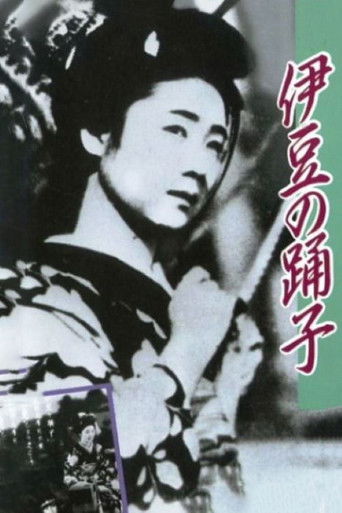
Titles linked here include The Neighbour's Wife and Mine (1931), The Dancing Girl of Izu (1933).
When was Heinosuke Gosho born and when did he die?
Born February 1, 1902; died May 1, 1981.
What awards did Heinosuke Gosho win?
Gosho won multiple Kinema Junpo Awards for Best Director, Blue Ribbon Awards, and Mainichi Film Awards. He also received the Order of the Sacred Treasure in 1972 and was recognized internationally at Venice and Cannes Film Festivals.
What was Heinosuke Gosho's directing style?
Gosho's directing style combined documentary-like realism with subtle comedy, focusing on everyday life with empathy and humor. He was known for his humanistic approach, naturalistic performances, and ability to find beauty in ordinary situations while maintaining technical excellence.
How did Heinosuke Gosho influence Japanese cinema?
Gosho fundamentally influenced Japanese cinema by the shomin-geki genre and successfully transitioning to sound films. His humanistic approach to storytelling and focus on middle-class life inspired generations of directors and helped establish Japanese cinema's international reputation for combining art with accessibility.