

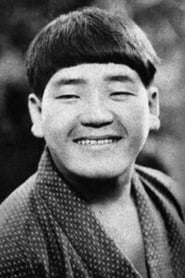
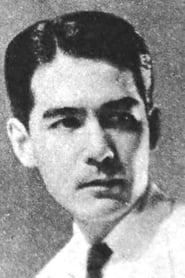

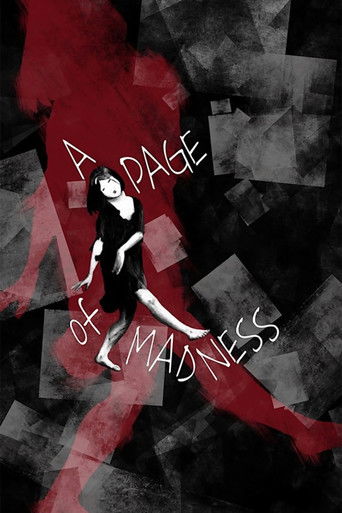
The Neighbour's Wife and Mine
"Playwright finds new distractions in the countryside"
Keys: Space play/pause · ←/→ 10s · F fullscreen · M mute · </> speed
About this film
A playwright moves to a rural neighborhood to avoid the distractions of the city, but he discovers there are plenty of ways to get sidetracked in his new home, too.
Cast & crew
More films like this
More Drama films
View all →







More from Heinosuke Gosho
View all →
More about this film
About the production
Release dateMay 29, 1931
ProductionShochiku Studios
Filmed inShochiku Kamata Studios, Tokyo, Japan
This film was produced during the critical transition period from silent to sound cinema in Japan. Director Heinosuke Gosho and his team worked with primitive sound recording equipment, requiring innovative techniques to capture natural dialogue and ambient sounds. The production faced significant technical challenges as Japanese studios were still adapting to sound technology, often having to retrofit existing facilities for audio recording. Despite these limitations, the film achieved remarkable audio quality for its time, with Gosho emphasizing naturalistic performances over the theatrical delivery common in early talkies.
Themes
Cultural modernization vs. traditionDomestic harmony and marital relationshipsUrban-rural cultural differencesArtistic inspiration and creativityWesternization of Japanese society
Themes & topics
playwrightneighborjealousycultural clashmodernizationdomestic comedysound filmrural lifemarriageartistic inspiration
Historical background
Made during the silent-to-sound transition near 1931, The Neighbour's Wife and Mine reached audiences through theatrical programs, fairground booths, or specialized distribution channels typical of its generation. A playwright moves to a rural neighborhood to avoid the distractions of the city, but he discovers there are plenty of. Historians now read such works for what they reveal about production methods, national taste, and the expanding vocabulary of screen narrative.
Why this film matters
Archivists and programmers still screen The Neighbour's Wife and Mine when tracing how popular entertainment evolved. Its subject—a playwright moves to a rural neighborhood to avoid the distractions of the city, but he discovers—gives later viewers tangible evidence of what drew crowds in its day. Home video, restorations, and festival sidebars keep the title circulating among students of film history.
Making of
The production of 'The Neighbour's Wife and Mine' marked a pivotal moment in Japanese cinema history. Director Heinosuke Gosho, working with Shochiku Studios, embraced the new sound technology while maintaining the visual sophistication of Japanese silent cinema. The filming process was challenging due to the bulky and noisy sound recording equipment of the era, which limited camera movement and required actors to remain relatively stationary. Gosho and his cinematographer developed creative solutions to these constraints, using careful composition and lighting to maintain visual interest. The cast, particularly Atsushi Watanabe and Kinuyo Tanaka, had to adapt their acting styles from the exaggerated expressions of silent film to the more subtle performances required for sound. The film's soundtrack was revolutionary for its time, incorporating ambient sounds and music naturally rather than as background accompaniment. This approach helped create a more immersive and realistic viewing experience that set new standards for Japanese sound cinema.
What critics said
Original trade coverage treated The Neighbour's Wife and Mine as routine program filler rather than a landmark production—typical of steady studio output. Later criticism emphasizes preservation, stylistic comparison with contemporaries, and whatever cast or crew names later gained prominence. Contemporary writing is mostly historical: assessing completeness, influence, and place in a director's or studio's catalog.
Did you know?
- This was one of the first successful Japanese sound films, helping establish the 'talkie' format in Japanese cinema
- The film's Japanese title 'Madamu to nyōbō' literally translates to 'The Madame and My Wife'
- Director Heinosuke Gosho was only 28 years old when he made this groundbreaking film
- The film was produced by Shochiku Studios, which was at the forefront of sound technology adoption in Japan
- Kinuyo Tanaka, who played the wife, would later become one of Japan's first female film directors
- The movie was released just two years after Japan's first sound film, showing how quickly Japanese cinema adapted to the new technology
- The film's success established the 'shoshimin-eiga' (lower-middle-class drama) genre in Japanese sound cinema
- It was screened at the 1931 Venice International Film Festival, one of the first Japanese films to receive international recognition
- The film's natural sound design was considered revolutionary, avoiding the stiff dialogue delivery common in early talkies
- A young Yasujirō Ozu worked as an assistant on this film before becoming a director himself
Awards & recognition
- Kinema Junpo Award for Best Film of 1931
Visual style
The cinematography by Hideo Ohmura represents a masterful blend of silent film elegance with the new requirements of sound cinema. Despite the technical limitations imposed by early sound recording equipment, which often required static camera positions, Ohmura created visually compelling compositions that enhance the narrative. The film uses careful framing to emphasize the cultural contrasts between the traditional Japanese household and the Westernized neighbor's modern lifestyle. Lighting techniques are employed to create different moods for each setting, with warm, intimate lighting for domestic scenes and more dramatic lighting for moments of tension. The camera work, while constrained, uses subtle movements and thoughtful angles to maintain visual interest. The film's visual style successfully preserves the aesthetic beauty of Japanese silent cinema while adapting to the new medium of sound, creating a unique visual language that would influence subsequent Japanese sound films.
Innovations
This film represents a significant technical achievement in the early history of Japanese sound cinema. The production team at Shochiku Studios developed innovative solutions to the challenges of recording sound in the early 1930s, creating a more flexible recording system that allowed for greater camera movement than was typical in early talkies. The film's sound mixing was particularly advanced for its time, successfully balancing dialogue, music, and ambient sounds without the technical problems that plagued many contemporary productions. The synchronization between audio and visual elements is remarkably precise, avoiding the timing issues common in early sound films. The production also pioneered techniques for recording natural-sounding dialogue in Japanese, which proved more challenging than recording Western languages due to different speech patterns and acoustic requirements. These technical innovations not only made this film successful but also provided valuable knowledge that accelerated the development of sound technology throughout the Japanese film industry.
Music
The film's soundtrack was groundbreaking for its time, incorporating dialogue, music, and ambient sounds in a naturalistic manner that was revolutionary for early Japanese cinema. The score, composed by unknown musicians at Shochiku, blends traditional Japanese musical elements with Western influences, mirroring the film's thematic concerns. Unlike many early talkies that used music primarily as background accompaniment, this film integrates sound as an integral part of the storytelling. The audio design carefully captures the sounds of both traditional and modern Japanese life, from the quiet rustling of tatami mats to the clinking of Western-style teacups. The dialogue recording is remarkably clear for the period, allowing for the subtle comedic timing and emotional nuances of the performances to come through. The film's successful use of sound helped establish new standards for audio production in Japanese cinema and demonstrated how sound could enhance rather than detract from visual storytelling.
Famous quotes
Even in the quiet countryside, the human heart finds its own distractions
Sometimes the best inspiration comes not from isolation, but from understanding the world around us
A writer's work is never done, especially when life keeps writing its own story
Memorable scenes
- The scene where the playwright first observes his Westernized neighbor through the window, establishing the film's central tension between tradition and modernity
- The comedic dinner scene where cultural misunderstandings create awkward but humorous situations between the characters
- The final confrontation where all three main characters come together, resolving their differences and finding mutual understanding
What audiences thought
The film was enormously popular with Japanese audiences upon its release, drawing crowds curious to see one of the first successful Japanese sound films. Viewers particularly enjoyed the relatable story of domestic life and the humorous situations arising from cultural misunderstandings. The film's depiction of the tensions between traditional and modern lifestyles struck a chord with audiences experiencing similar changes in their own lives. The chemistry between the lead actors was widely appreciated, with Kinuyo Tanaka's performance as the traditional wife earning special praise. The film ran for extended periods in Tokyo theaters, an unusual achievement for a domestic production at the time. Its success helped prove that Japanese audiences were ready for sound films and that本土 productions could compete with imported Hollywood movies. The film's popularity contributed to the rapid adoption of sound technology across the Japanese film industry throughout the early 1930s.
Film connections
Influenced by
- Japanese silent cinema tradition
- Western screwball comedies
- German expressionist visual style
- Contemporary Japanese literature on modernization
This film influenced
- I Was Born, But... (1932)
- A Page of Madness (1926) remakes
- Various Shochiku shoshimin-eiga films of the 1930s
Film restoration
The film has been preserved and restored by various film archives, including the National Film Center of Japan. While some early Japanese films from this period have been lost, this film survived due to its cultural significance and initial popularity. A restored version was screened at international film festivals in the 1980s and 1990s, bringing renewed attention to this classic work. The restoration process involved cleaning and repairing damaged film elements and, where possible, improving the audio quality of the original soundtrack. The film is now considered part of Japan's cinematic heritage and is preserved in multiple archives worldwide.
Where to watch
- The Criterion Collection (streaming and Blu-ray)
- FilmStruck streaming service (historical availability)
- Museum of Modern Art (MoMA) film screenings
- National Film Center of Japan screenings
- Various film festival retrospectives
- Academic film archives and university collections