Films
2 films

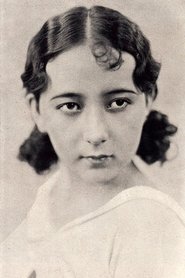
About Yukiko Inoue
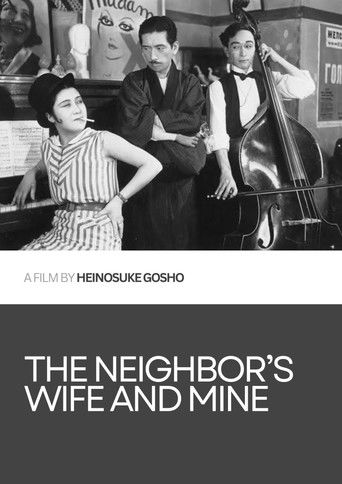
This archive lists one role for Yukiko Inoue: s Wife and Mine (1931). This pattern was not uncommon for actresses in early Japanese cinema, where many performers had brief careers during the industry's formative years.
The Craft
Milestones
- Appeared in Japan's first successful sound film 'The Neighbour's Wife and Mine' (1931)
- Worked with acclaimed director Hiroshi Shimizu in 'Japanese Girls at the Harbor' (1933)
- Participated in the transition from silent to sound cinema in Japan
Best Known For
Iconic Roles
Must-See Films
Working Relationships
Worked Often With
Studios
Why They Matter
Impact on Culture
While Yukiko Inoue herself may not have had a broad cultural impact due to her brief career, the films she participated in represent significant milestones in Japanese cinema history. 'The Neighbour's Wife and Mine' was groundbreaking as one of Japan's first successful sound films, helping to establish the technical and artistic foundations for Japanese talkies. 'Japanese Girls at the Harbor' is now considered a classic of early Japanese cinema, showcasing the sophisticated visual storytelling that would become a hallmark of Japanese film. Her participation in these productions places her within the context of Japan's cinematic revolution during the early 1930s, when the industry was establishing its unique voice and technical capabilities.
Lasting Legacy
Yukiko Inoue's legacy is primarily tied to her association with two historically significant films that mark important moments in Japanese cinema's development. While she may not be remembered as a major star, her work contributes to our understanding of the transition period from silent to sound films in Japan. Her brief career exemplifies the transient nature of many early film actors' careers, particularly those in supporting roles during cinema's formative years. The preservation of her films ensures that her performances, however limited in number, remain part of the historical record of Japanese cinema's golden era of innovation.
Who They Inspired
Due to the brevity of her career and limited documentation, there is little evidence of Yukiko Inoue's direct influence on other actors or filmmakers. However, her work in these sound films contributed to the broader development of Japanese cinema during its crucial transition period. The films she appeared in continue to be studied by film historians and scholars interested in early Japanese sound cinema and the works of directors Gosho and Shimizu.
Off Screen
Very little is documented about Yukiko Inoue's personal life, which was common for many supporting actors in early Japanese cinema. Her brief active years covered only two years during a transformative period in Japanese film history, after which she appears to have left the industry entirely.
Did You Know?
- Her entire known filmography consists of only two films
- Both of her films are now considered classics of early Japanese cinema
- She worked with two of Japan's most important early directors: Heinosuke Gosho and Hiroshi Shimizu
- Her first film was one of Japan's first successful sound films
- Her career coincided with the critical transition from silent to sound cinema in Japan
- Both films she appeared in were produced by Shochiku Studios
- Her career was exceptionally brief even by early cinema standards
- Her films are preserved and studied by film historians today
Frequently Asked Questions
Who was Yukiko Inoue?
Screen credits include two significant early sound films. Though her career was brief, spanning only 1931-1933, she worked with acclaimed directors Heinosuke Gosho and Hiroshi Shimizu during the pivotal transition from silent to sound cinema in Japan.
What films is Yukiko Inoue best known for?
Titles linked here include The Neighbour's Wife and Mine (1931), Japanese Girls at the Harbor (1933).
When was Yukiko Inoue born and when did she die?
Unfortunately, specific birth and death dates for Yukiko Inoue are not documented in available historical records, which is common for many supporting actors from early Japanese cinema. Her known active years covered from 1931 to 1933.
What awards did Yukiko Inoue win?
There are no documented awards or nominations for Yukiko Inoue, which was typical for many supporting actors during this early period of Japanese cinema when formal award systems were not yet established.
What was Yukiko Inoue's acting style?
While specific details about her acting style are not well-documented, her work in early sound films suggests she was part of the new generation of actors adapting to the technical and artistic challenges of sound cinema in Japan during its formative years.