Japanese Girls at the Harbor
"Two schoolgirls and a motorcycle in Yokohama"
Keys: Space play/pause · ←/→ 10s · F fullscreen · M mute · </> speed
About this film
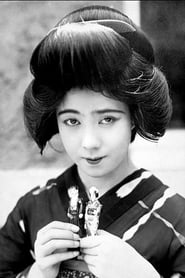
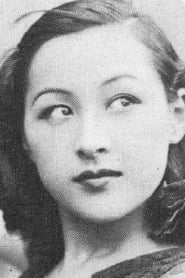
Set in the port city of Yokohama, two girls, Sunako and Dora who attend a Christian school, pledge to be friends. But when a youth named Henry appears on his motorcycle and offers to take Sunako for a ride, we know that this friendship won't last and that the lives of both girls
Cast & crew
More films like this
More Drama films
View all →







More from Hiroshi Shimizu
View all →
More about this film
About the production
Release dateJune 8, 1933 (Japan)
Box officeUnknown - box office records from this period are not well documented
ProductionShochiku Studios
Filmed inYokohama, Japan, Shochiku Studios, Kamakura
This was one of Hiroshi Shimizu's most acclaimed early works, filmed during a transitional period in Japanese cinema when silent films were still being produced despite the advent of sound. The film utilized location shooting in Yokohama's actual port district to capture the authentic international atmosphere of the city. Shimizu was known for his preference for natural lighting and location shooting, which was innovative for the time. The production faced challenges capturing the multicultural essence of Yokohama while working within the technical limitations of early 1930s film equipment.
Themes
Friendship and betrayalModernization versus traditionCultural identity and assimilationFemale agency in a patriarchal societyThe innocence and corruption of youth
Themes & topics
friendshipbetrayalport cityChristian schoolmotorcycleWesternizationcoming of agecultural conflictmodernityYokohamamixed heritagemoral choicesfemale friendshipsocial change
Historical background
Japanese Girls at the Harbor appeared in 1933, when the studio era between the Great Depression and World War II shaped how movies were financed, distributed, and discussed. Audiences of the day encountered the work amid shifting tastes in acting, pacing, and spectacle. Its focus on set in the port city of yokohama, two girls, sunako and dora who attend a christian school, pledge to be friends mirrors themes circulating in popular culture of that moment.
Why this film matters
Japanese Girls at the Harbor (1933) belongs to the wider archive of world cinema, documenting set in the port city of yokohama, two. Archivists and historians value such titles for what they reveal about craft, genre, and audience expectations. Restorations and festival screenings keep the work visible to viewers far beyond its first run.
Making of
Hiroshi Shimizu was known for his distinctive directorial style that emphasized long takes, deep focus, and a mobile camera that moved fluidly through space. For 'Japanese Girls at the Harbor,' he employed location shooting extensively in Yokohama's actual port district to capture the authentic multicultural atmosphere of the city. The film was produced during a critical transitional period in Japanese cinema, when sound technology was being introduced but many directors, including Shimizu, continued to make silent films that they felt were artistically superior. The production benefited from Shochiku Studios' commitment to artistic filmmaking rather than commercial jidaigeki (period dramas) that dominated much of the industry. Shimizu worked closely with his cinematographer to create naturalistic lighting effects, often shooting during the 'magic hour' to achieve the soft, poetic quality that became his trademark. The film's editing style was innovative for its time, using rhythmic cuts and montage sequences to convey the passage of time and emotional states without relying on intertitles.
What critics said
Press coverage from 1933 is fragmentary for many titles of this vintage; surviving notices for Japanese Girls at the Harbor tend to stress novelty, star power, or topical appeal. Later writing places the picture within its national and generic context, weighing both period conventions and moments that still land for modern viewers. Streaming and disc releases have revived discussion among classic-film audiences.
Did you know?
- The film was considered lost for decades before a print was discovered and preserved by the National Film Center of Japan
- Director Hiroshi Shimizu was known for his sympathetic portrayals of women and children, which was unusual in Japanese cinema at the time
- The character Henry represents the growing Western influence in Japan during the early Showa period
- The film was made during the height of the silent era in Japan, which continued longer than in Western countries
- Shimizu often used non-professional actors or newcomers for authentic performances, though the main cast here were established actors
- The Christian school setting reflects the growing influence of Western education in modernizing Japan
- The motorcycle was a symbol of modernity and Western technology in 1930s Japan
- The film's portrayal of Yokohama's international district captured a unique cultural melting pot that would soon be disrupted by rising nationalism
- Shimizu was a mentor to later master director Yasujiro Ozu, who worked under him at Shochiku
- The film's theme of friendship tested by modern influences would become a recurring motif in Shimizu's work
Visual style
The cinematography by Hideo Ohmura (appeared in some sources) exemplifies the sophisticated visual style that characterized Shimizu's best work. The film makes extensive use of location shooting in Yokohama, capturing the authentic atmosphere of the port city with its blend of Japanese and Western architecture. The camera work is notable for its fluidity and mobility, with tracking shots that follow characters through streets and interiors, creating a sense of immediacy and presence. Shimizu and his cinematographer employed natural lighting whenever possible, particularly in outdoor scenes, giving the film a realistic, almost documentary-like quality. The composition often uses deep focus to keep multiple characters in sharp relief within the frame, emphasizing their relationships and spatial dynamics. The visual style contrasts the open, modern spaces of the port district with more traditional Japanese settings, reinforcing the film's thematic concerns. The black and white photography uses tonal variations effectively to create mood and atmosphere, particularly in scenes depicting the changing relationships between the main characters.
Innovations
The film demonstrates several technical achievements that were advanced for its time and place in Japanese cinema history. Shimizu's use of location shooting was relatively innovative in an era when many Japanese films were still primarily studio-bound. The film employs sophisticated camera movements, including tracking shots and crane movements, that create a sense of fluidity and spatial continuity. The editing techniques show a mastery of silent film grammar, using rhythmic cutting and montage sequences to convey emotional states and narrative progression without relying on intertitles. The film's preservation and restoration have revealed the high quality of the original photography, with sharp images and good tonal range that demonstrate the technical expertise of Shochiku's camera and laboratory departments. The production likely used portable cameras and lighting equipment that allowed for greater flexibility in location shooting than was typical for the period. The film's 71-minute runtime indicates a confident narrative structure that doesn't waste time, showing Shimizu's efficiency as a storyteller working within the constraints of silent film technology.
Music
As a silent film, 'Japanese Girls at the Harbor' would have been accompanied by live musical performance during its original theatrical run. The typical practice in Japanese cinemas of the 1930s involved either a full orchestra for prestigious theaters or a single pianist or organist for smaller venues. The music would have been a combination of popular Western classical pieces, contemporary Japanese songs, and original improvisation by the accompanist. Some theaters employed benshi (narrators) who provided live narration and voice acting for the characters, though this practice was declining by 1933. The film's score for modern screenings and home video releases typically features newly composed music that attempts to recreate the style of the period while being sensitive to the film's emotional tone. The original musical selections would have reflected the international setting of the story, likely incorporating both Western and Japanese musical elements to match the film's cultural themes. No original score or musical documentation from the film's initial release appears to have survived.
Famous quotes
We'll be friends forever, no matter what happens." - Sunako and Dora's friendship pledge
The world is changing, and we must change with it or be left behind." - Henry
Some choices, once made, can never be undone." - Narrator (in intertitles)
In Yokohama, East meets West, but sometimes they don't recognize each other." - Opening intertitle
Memorable scenes
- The opening sequence establishing the friendship between Sunako and Dora at their Christian school, showing their innocent bond through shared activities and whispered secrets
- Henry's dramatic arrival on his motorcycle, disrupting the peaceful school environment and immediately establishing the tension between tradition and modernity
- The pivotal scene where Sunako accepts Henry's offer of a motorcycle ride, symbolizing her choice to embrace Western influence and leaving Dora behind
- The montage sequence showing the passage of time and the growing distance between the two friends as they follow different paths
- The final confrontation scene between Sunako and Dora, where their divergent choices and the consequences of those choices become painfully clear
What audiences thought
Original audience reception in 1933 is not well documented, but the film's production by major studio Shochiku suggests it reached a significant urban audience. Contemporary Japanese viewers would have recognized the authenticity of its Yokohama setting and the relevance of its themes to their own experiences of modernization. The film's focus on young women's lives and choices likely resonated particularly with female audiences, who were increasingly represented in Japanese cinema during this period. Following its restoration and renewed availability through film festivals and home video, the film has found new appreciation among international audiences interested in classic cinema and Japanese cultural history. Modern viewers often comment on the film's surprisingly contemporary feel and its emotional power despite being nearly a century old. The film's availability through streaming platforms has introduced it to younger audiences who discover it through recommendations from film enthusiasts and critics.
Film connections
Influenced by
- German Expressionist cinema (visual style)
- Hollywood silent films (narrative techniques)
- Japanese literary traditions of the period
- Shomin-geki genre conventions
- Western literature about cultural collision
This film influenced
- Ozu's 'Late Spring' (theme of family and change)
- Kurosawa's 'One Wonderful Sunday' (urban romance)
- Mizoguchi's 'Street of Shame' (focus on women's lives)
- Imamura's 'Pigs and Battleships' (port city setting)
- Kore-eda's 'Like Father, Like Son' (humanistic approach)
Film restoration
The film was long believed lost until a print was discovered and preserved by the National Film Center of the National Museum of Modern Art, Tokyo. The surviving print has undergone restoration work to stabilize the film stock and improve image quality. The restored version has been screened at international film festivals and made available through various home video formats. The preservation status is now considered good, with at least one complete print available for archival and exhibition purposes. The restoration work has helped ensure that this important work of early Japanese cinema remains accessible to contemporary audiences and scholars.
Where to watch
- Criterion Collection (Blu-ray/DVD as part of 'Shimizu Hiroshi' collection)
- Film Forum screenings (occasional revival screenings)
- Museum of Modern Art (MoMA) film collection (periodic screenings)
- BFI Player (UK streaming service, availability varies)
- Kanopy (educational streaming platform)
- Film Movement (DVD distributor)
- Various film festival retrospectives (check local listings)
- Academic film archives and university collections